
 EN
EN
 ar
ar bg
bg hr
hr cs
cs da
da nl
nl fi
fi fr
fr de
de el
el hi
hi it
it ko
ko no
no pl
pl pt
pt ro
ro ru
ru es
es sv
sv tl
tl iw
iw id
id lv
lv lt
lt sr
sr sk
sk sl
sl uk
uk vi
vi et
et hu
hu th
th tr
tr fa
fa ms
ms hy
hy ka
ka ur
ur bn
bn mn
mn ta
ta kk
kk uz
uz ku
ku
3 axes accelerometer
Cable force monitoring is one of the more specialized uses of Kingmach 3 axes accelerometer. A vibrating cable carries frequency information that can be processed into force values when the cable parameters and calculation method are properly configured. That means the sensor is part of a larger test method, not a standalone answer. The installation must capture the cable response cleanly, and the record should preserve cable identity, test condition, environmental context, and review result. Repeat tests should use the same location and procedure whenever possible. If the cable, boundary condition, or measurement position changes, the record should say so. Written this way, the page explains the engineering value without relying on dense technical tables.
During interpretation, the team should compare the motion with nearby strain, displacement, tilt, load, wind, temperature, traffic, machinery, or construction notes. That wider view helps separate normal response from a pattern that needs inspection.
If the reading changes suddenly, the first check should include the sensor attachment, cable route, connector, channel name, and recent field activity. This prevents a maintenance issue from being mistaken for structural behavior.
Long-term monitoring benefits from repeatable procedure. When the same point, direction, event definition, and analysis method are preserved, new vibration records can be compared with earlier records in a defensible way.
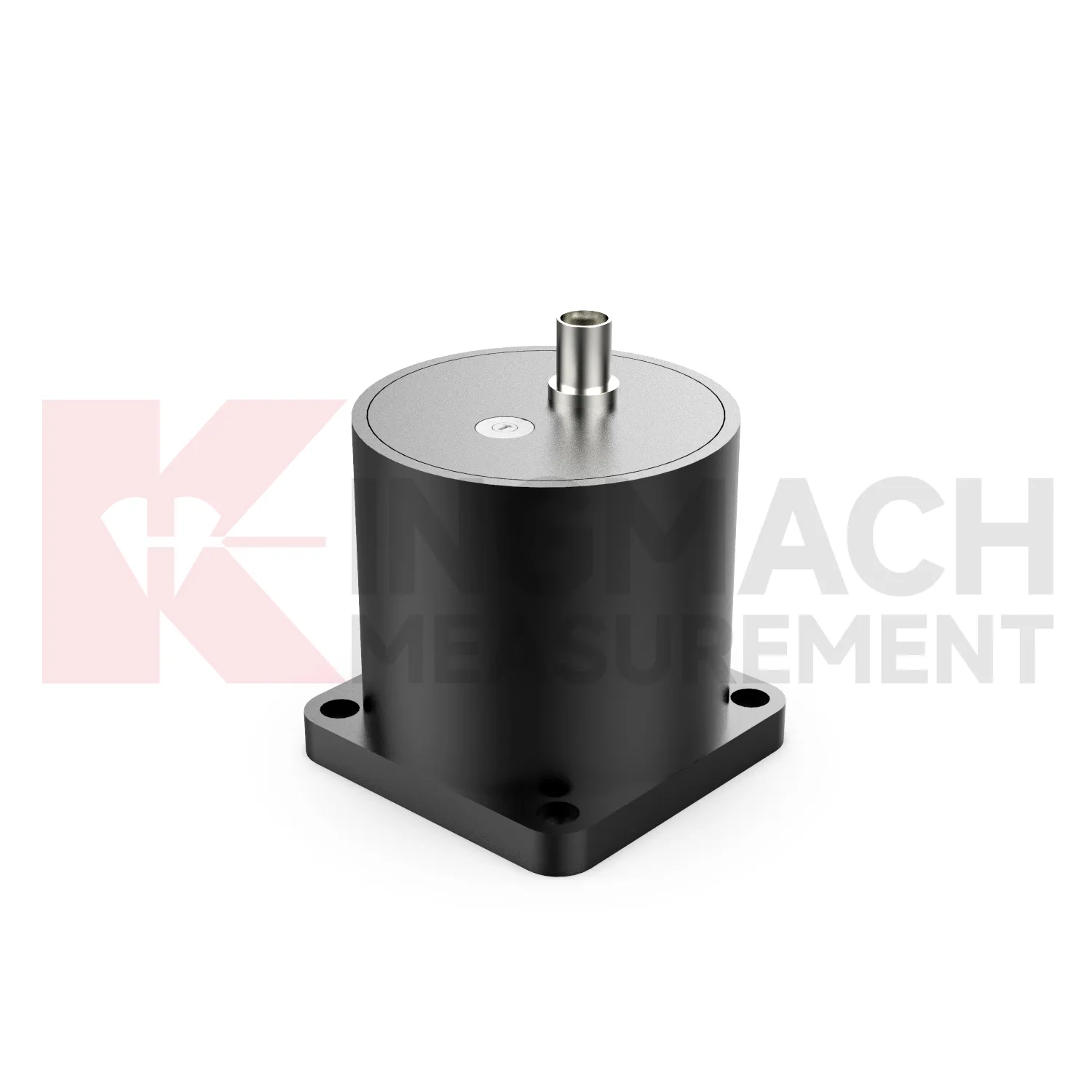
Application of 3 axes accelerometer
Building vibration monitoring uses Kingmach 3 axes accelerometer when occupants, equipment, nearby construction, traffic, or structural flexibility create motion that needs a measured record. The task may involve a floor, column, machine base, roof structure, or adjacent building. Acceleration data helps determine whether the motion is occasional, continuous, low-frequency, impact-related, or tied to a specific operating condition. A useful building record includes sensor location, mounting method, axis direction, activity during measurement, and related crack or settlement observations. This makes the result understandable to engineers, owners, and maintenance teams. It also helps separate comfort concerns from structural concerns. A floor that vibrates during machine operation may need a different response from a wall that moves during excavation nearby.
In occupied buildings, the review should connect measured motion with time of day, equipment schedules, tenant reports, nearby road activity, and any construction work. This human and operational context helps explain why a vibration is noticed, when it occurs, and whether it repeats under the same conditions.
The field team should also keep the point discreet but verifiable. A sensor hidden from accidental contact still needs a clear photo, point name, and axis record. That balance protects the device while giving engineers enough information to compare future measurements.
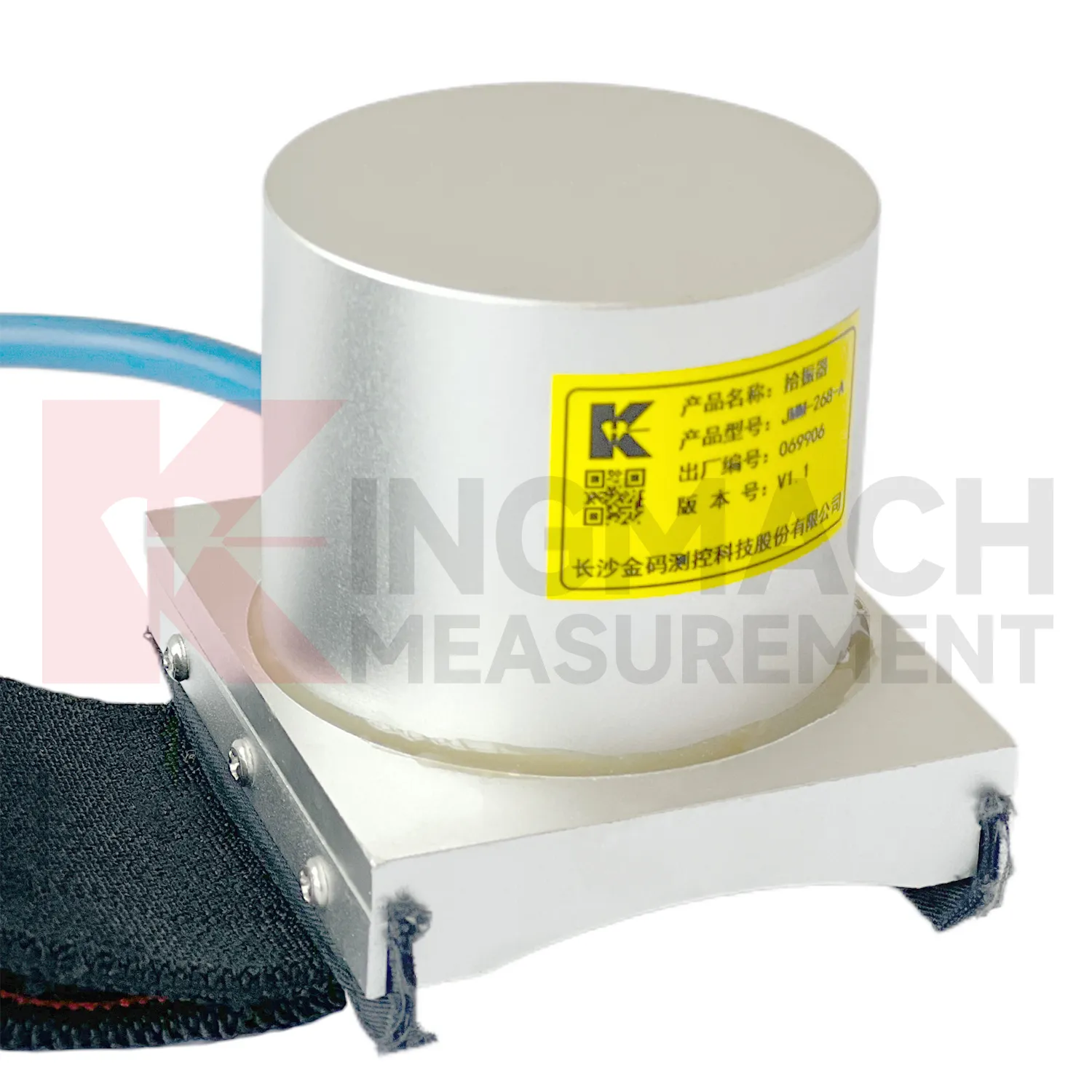
The future of 3 axes accelerometer
The future of Kingmach 3 axes accelerometer will include stronger quality checks on dynamic data. Flatlines, clipping, loose mounting, channel swaps, cable noise, and wrong axis labels can all weaken a record. Automated review can flag suspicious patterns before engineers spend time interpreting bad data. This is especially useful in large monitoring networks with many points. Quality checks do not replace field inspection, but they help decide where inspection is needed. Clean data is the foundation of useful dynamic analysis. A reliable warning system must know the difference between real motion and a measurement path that has gone wrong.
Future quality tools should look at behavior patterns, not only missing data. A trace that repeats the same shape at the wrong time, loses high-frequency detail, or disagrees with nearby points may reveal mounting or acquisition trouble before a complete failure occurs.
These checks will make large dynamic networks easier to operate. Engineers can focus on events that deserve interpretation, while maintenance teams receive clearer signals about which point, cable, setting, or field condition needs attention.
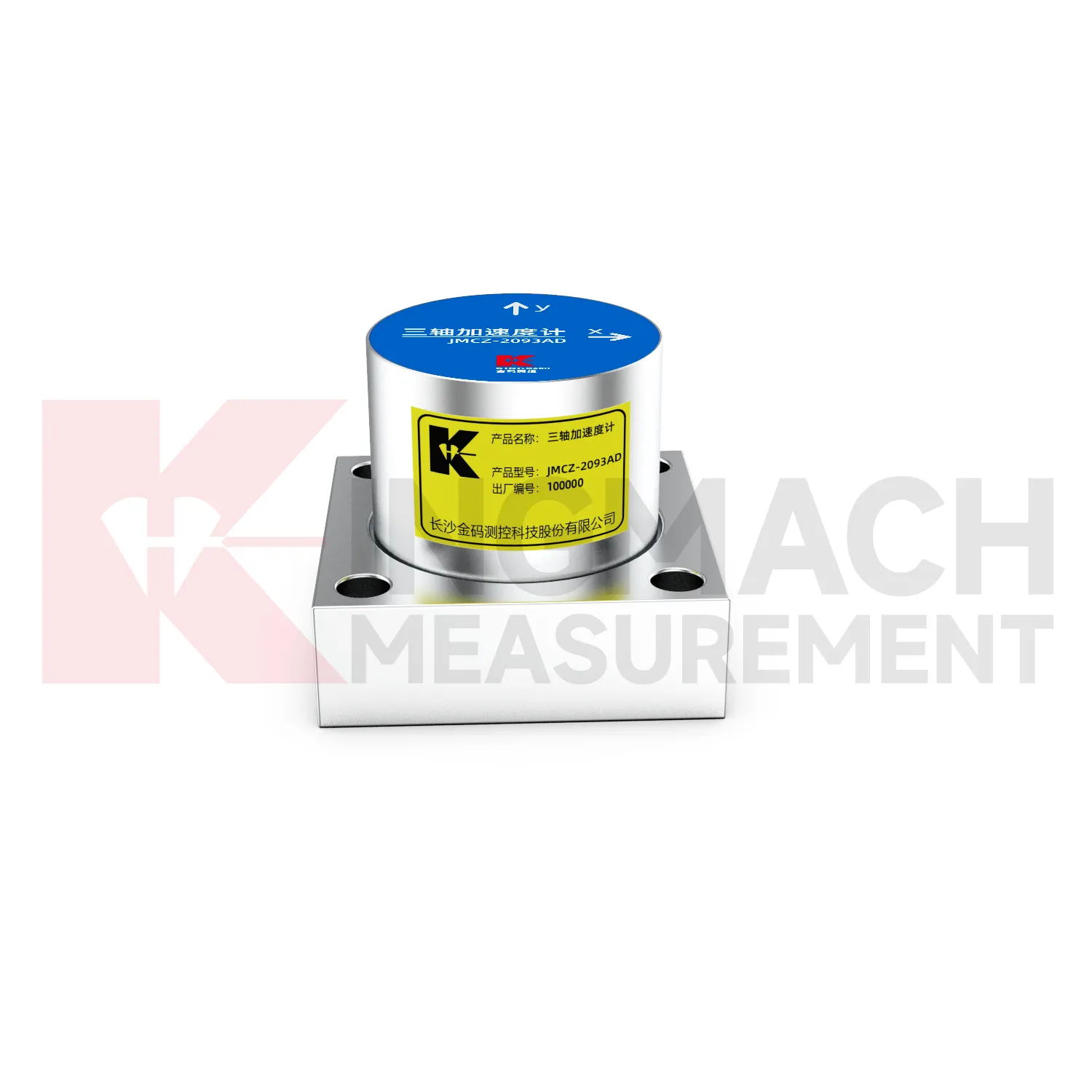
Care & Maintenance of 3 axes accelerometer
Routine inspection of Kingmach 3 axes accelerometer should be tied to the risk level of the asset. A bridge cable, seismic station, active construction area, or machinery foundation may need more frequent checks than a quiet background point. Inspection should cover mounting, axis label, cable, connector, cabinet, data status, and recent events. After storms, impacts, blasting, equipment maintenance, or structural work, perform an extra check. The goal is simple: keep the dynamic record trustworthy when the next important event arrives. A schedule that reflects asset risk is better than a fixed checklist that ignores field conditions.
The inspection plan should also define who reviews the data after the physical check. A field crew may confirm that the sensor is attached, but an engineer may still need to compare recent traces with earlier behavior. Both views belong in the maintenance loop.
For high-risk points, inspection records should be easy to audit. Date, technician, point condition, event history, and follow-up action should be written plainly so future reviewers can understand why the next reading was trusted.
Kingmach 3 axes accelerometer
Kingmach 3 axes accelerometer can help distinguish vibration source from vibration effect. A building may shake because of equipment, traffic, construction, wind, or foundation interaction. A bridge may respond to cable vibration, deck movement, pedestrian load, or vehicle flow. A tunnel may show different motion during excavation than during operation. Acceleration records help compare these possibilities when they are reviewed with location, direction, frequency content, and related instruments. The goal is to understand what caused the motion and whether it affects safety, comfort, maintenance, or long-term performance. A good dynamic record narrows the question instead of simply adding another graph.
A useful dynamic record needs both signal quality and site context. Mounting condition, axis direction, cable stability, acquisition timing, and event labeling all affect whether the data can support an engineering decision after review.
During interpretation, the team should compare the motion with nearby strain, displacement, tilt, load, wind, temperature, traffic, machinery, or construction notes. That wider view helps separate normal response from a pattern that needs inspection.
FAQ
Q: What are Kingmach 3 axes accelerometer used for?
A: They are used to record acceleration and vibration behavior so engineers can review structural motion, frequency response, impact events, ground motion, and cable vibration.
Q: Where are they commonly applied?
A: They are used in bridges, buildings, tunnels, railways, machinery areas, ground-motion stations, wind towers, and construction vibration monitoring.
Q: Why not rely only on visual inspection?
A: Many dynamic problems happen too quickly or too subtly to see, while acceleration records preserve timing, direction, and frequency information.
Q: Can acceleration data support cable force review?
A: Yes, when the vibration measurement and calculation method are configured correctly for the cable being tested.
Q: Should acceleration data be reviewed alone?
A: No. It is stronger when compared with strain, displacement, tilt, load, environmental records, and inspection notes.
During interpretation, the team should compare the motion with nearby strain, displacement, tilt, load, wind, temperature, traffic, machinery, or construction notes. That wider view helps separate normal response from a pattern that needs inspection.
Reviews
Daniel Brown
Excellent environmental monitoring sensors. The data is consistent, and the system integrates smoothly with our existing setup.
James Thompson
The tiltmeters and accelerometers are very sensitive and provide precise data. Perfect for our structural health monitoring system.
Latest Inquiries
To protect the privacy of our buyers, only public service email domains like Gmail, Yahoo, and MSN will be displayed. Additionally, only a limited portion of the inquiry content will be shown.
Sophia***@gmail.comUnited Kingdom
Good day, we need environmental monitoring sensors including temperature, humidity, and wind sensors...
Evelyn***@gmail.comSouth Africa
Hi, we are a contractor working on tunnel construction and need settlement sensors and displacement ...
Related product categories
- vibrating sensor
- magnetic vibration sensor
- triaxial vibration sensor
- vibrating wire sensor
- industrial vibration sensor
- vibration monitoring sensors
- knock combustion vibration sensor
- industrial vibration sensors
- vibration monitoring sensor
- vibration sensors industrial
- vibration measurement sensor
- ground vibration sensor