
 EN
EN
 ar
ar bg
bg hr
hr cs
cs da
da nl
nl fi
fi fr
fr de
de el
el hi
hi it
it ko
ko no
no pl
pl pt
pt ro
ro ru
ru es
es sv
sv tl
tl iw
iw id
id lv
lv lt
lt sr
sr sk
sk sl
sl uk
uk vi
vi et
et hu
hu th
th tr
tr fa
fa ms
ms hy
hy ka
ka ur
ur bn
bn mn
mn ta
ta kk
kk uz
uz ku
ku
3 axial accelerometer
Cable force monitoring is one of the more specialized uses of Kingmach 3 axial accelerometer. A vibrating cable carries frequency information that can be processed into force values when the cable parameters and calculation method are properly configured. That means the sensor is part of a larger test method, not a standalone answer. The installation must capture the cable response cleanly, and the record should preserve cable identity, test condition, environmental context, and review result. Repeat tests should use the same location and procedure whenever possible. If the cable, boundary condition, or measurement position changes, the record should say so. Written this way, the page explains the engineering value without relying on dense technical tables.
During interpretation, the team should compare the motion with nearby strain, displacement, tilt, load, wind, temperature, traffic, machinery, or construction notes. That wider view helps separate normal response from a pattern that needs inspection.
If the reading changes suddenly, the first check should include the sensor attachment, cable route, connector, channel name, and recent field activity. This prevents a maintenance issue from being mistaken for structural behavior.
Long-term monitoring benefits from repeatable procedure. When the same point, direction, event definition, and analysis method are preserved, new vibration records can be compared with earlier records in a defensible way.
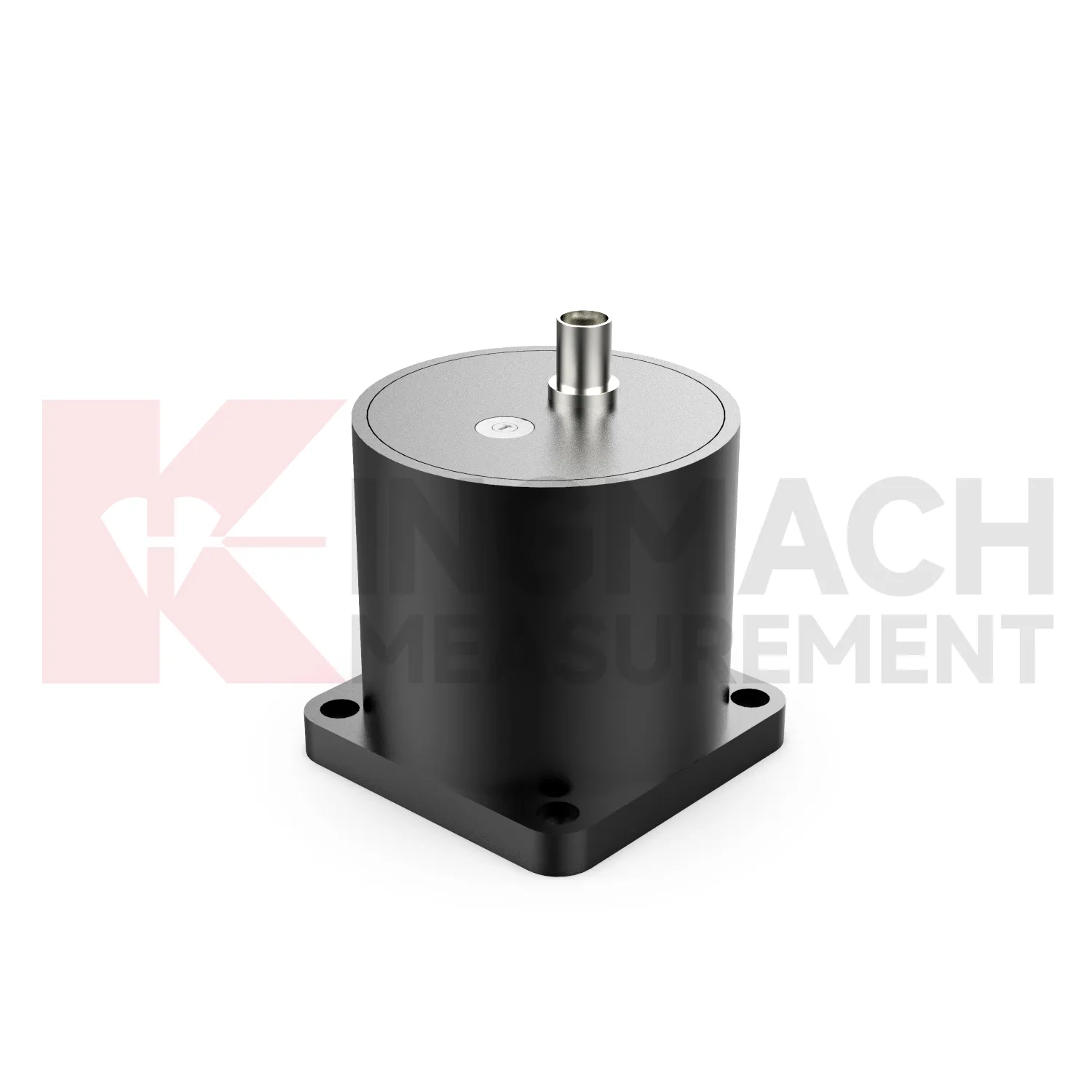
Application of 3 axial accelerometer
Tunnel and underground projects use Kingmach 3 axial accelerometer to record vibration from excavation, blasting, train operation, machinery, or nearby construction. The sensor position should match the risk area, such as lining, station structure, shaft wall, or adjacent facility. Dynamic data should be reviewed with displacement, convergence, settlement, groundwater, and inspection notes. In tunnel work, many locations look similar, so point names and photographs are important. A vibration curve becomes useful when reviewers can connect it to chainage, side, structure, event time, and construction stage. This is especially important after a blast, equipment pass, or train operation change. Without location and event context, a curve may be accurate but still difficult to interpret.
Long-term monitoring benefits from repeatable procedure. When the same point, direction, event definition, and analysis method are preserved, new vibration records can be compared with earlier records in a defensible way.
The report should not leave the waveform isolated. It should explain what the asset was doing, why the point was measured, which event triggered interest, and what follow-up action or observation was made.
Dynamic data can be sensitive to small field changes. A new bracket, nearby machine, temporary work platform, changed cable route, or software update can alter the record, so those changes belong in the maintenance history.
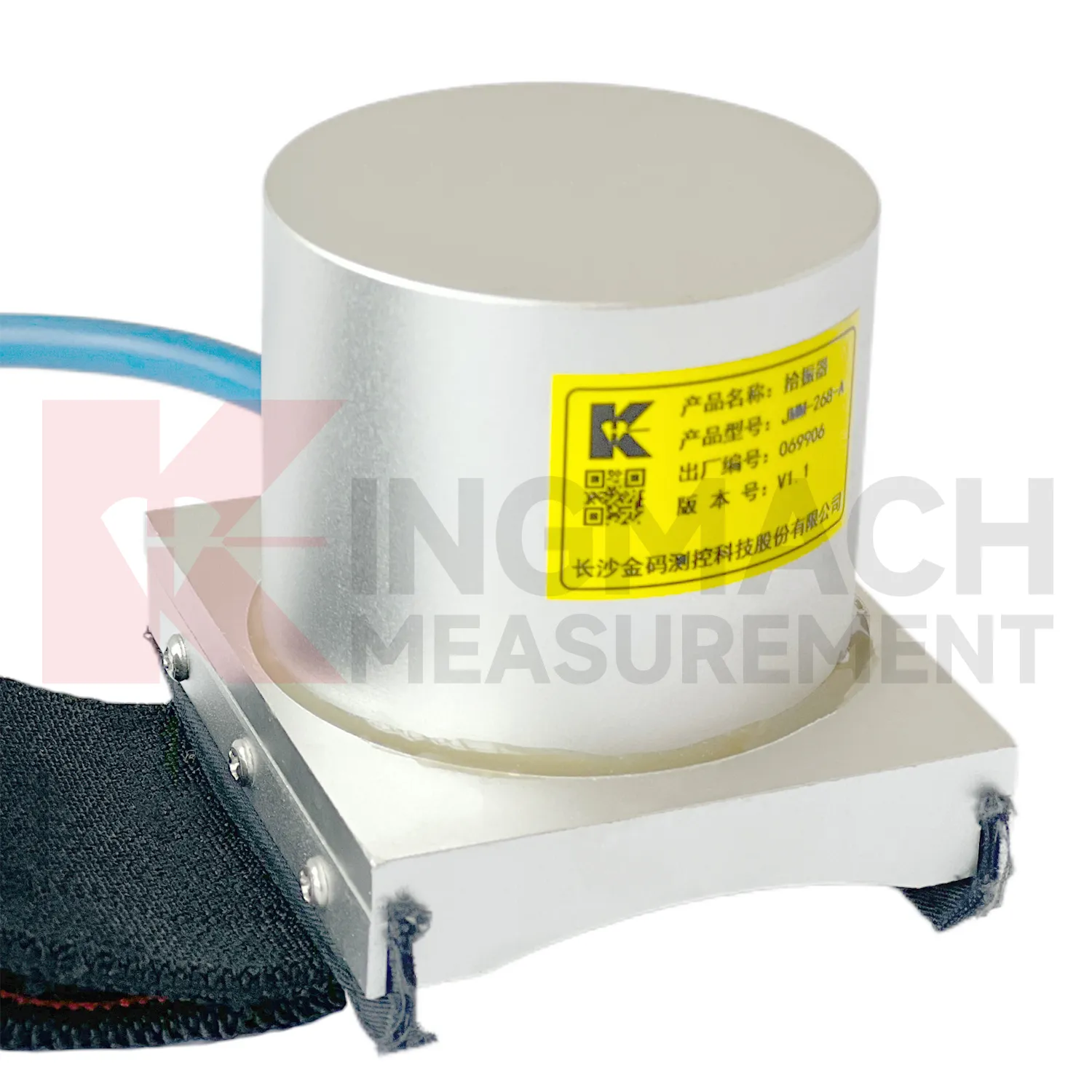
The future of 3 axial accelerometer
The future of Kingmach 3 axial accelerometer will include stronger quality checks on dynamic data. Flatlines, clipping, loose mounting, channel swaps, cable noise, and wrong axis labels can all weaken a record. Automated review can flag suspicious patterns before engineers spend time interpreting bad data. This is especially useful in large monitoring networks with many points. Quality checks do not replace field inspection, but they help decide where inspection is needed. Clean data is the foundation of useful dynamic analysis. A reliable warning system must know the difference between real motion and a measurement path that has gone wrong.
Future quality tools should look at behavior patterns, not only missing data. A trace that repeats the same shape at the wrong time, loses high-frequency detail, or disagrees with nearby points may reveal mounting or acquisition trouble before a complete failure occurs.
These checks will make large dynamic networks easier to operate. Engineers can focus on events that deserve interpretation, while maintenance teams receive clearer signals about which point, cable, setting, or field condition needs attention.
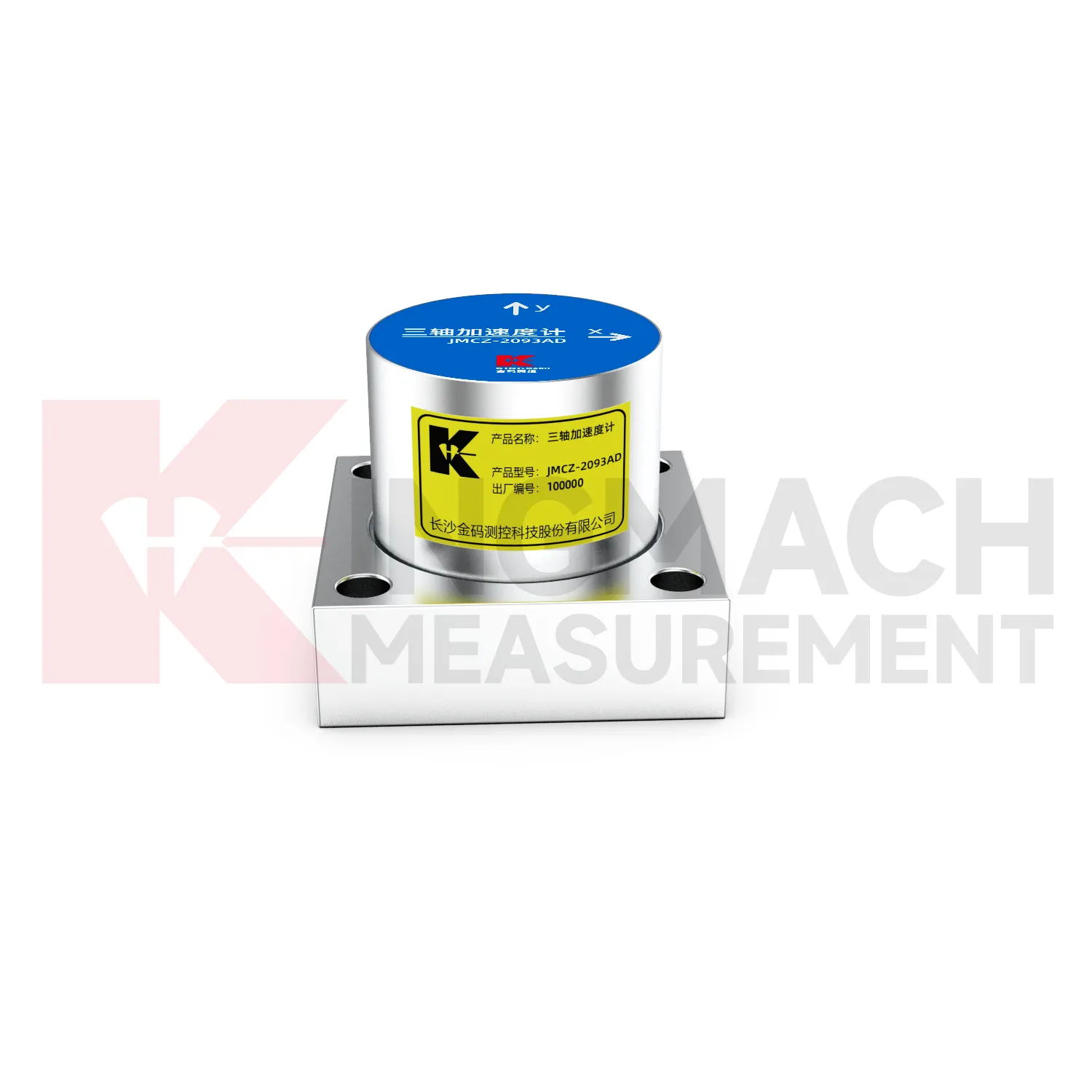
Care & Maintenance of 3 axial accelerometer
Care and maintenance of Kingmach 3 axial accelerometer should begin with mounting. The sensor must be fixed to a surface that moves with the structure being measured. Loose bolts, flexible plates, paint layers, temporary brackets, or nearby cable vibration can all create misleading data. Before acceptance, record the mounting location, surface condition, axis direction, and first test record. During inspection, check that the sensor has not been struck, loosened, covered, or moved. Good mounting care protects the meaning of every later waveform. If the point is disturbed, the maintenance record should say when it happened and whether the following data remains comparable.
During interpretation, the team should compare the motion with nearby strain, displacement, tilt, load, wind, temperature, traffic, machinery, or construction notes. That wider view helps separate normal response from a pattern that needs inspection.
If the reading changes suddenly, the first check should include the sensor attachment, cable route, connector, channel name, and recent field activity. This prevents a maintenance issue from being mistaken for structural behavior.
Kingmach 3 axial accelerometer
Kingmach 3 axial accelerometer help engineering teams understand vibration risk rather than simply collect motion traces. In bridge, tunnel, building, railway, machinery, and ground-motion work, acceleration data shows how a structure moves when traffic, wind, machinery, blasting, earthquake activity, or cable vibration occurs. The useful result is not just a waveform; it is a record that shows frequency, response level, timing, and whether movement is repeating or changing. Dynamic monitoring is especially useful when movement is too quick for visual inspection or too subtle to judge by touch. When acceleration records are reviewed with inspection notes, environmental conditions, and related structural instruments, engineers can separate normal operating response from behavior that requires attention. This makes vibration measurement part of a practical safety and maintenance process.
For field teams, the record is strongest when the waveform is tied to a named event and a known physical point. The note should state what was operating, what changed on site, whether other instruments reacted, and whether the motion repeated under similar conditions.
FAQ
Q: What is event-based vibration monitoring?
A: It records motion during traffic, wind, blasting, impact, machine operation, earthquake activity, or other defined events.
Q: What makes a useful event record?
A: A useful record includes time, sensor location, axis direction, event type, nearby site condition, and related sensor behavior.
Q: How are building vibration records interpreted?
A: They are checked against equipment operation, traffic, construction work, occupancy notes, and structural observations.
Q: How are bridge vibration records interpreted?
A: They may be compared with cable behavior, traffic, wind, strain, displacement, and inspection results.
Q: What causes misleading vibration readings?
A: Loose mounting, cable noise, wrong channel names, poor grounding, local equipment, or missing event notes can mislead reviewers.
Long-term monitoring benefits from repeatable procedure. When the same point, direction, event definition, and analysis method are preserved, new vibration records can be compared with earlier records in a defensible way.
The report should not leave the waveform isolated. It should explain what the asset was doing, why the point was measured, which event triggered interest, and what follow-up action or observation was made.
Reviews
Christopher Martinez
Very satisfied with the readouts & data loggers. User-friendly interface and supports multiple sensor inputs.
Robert Taylor
The weir flow meter is well-built and delivers accurate measurements. Great value for water management applications.
Latest Inquiries
To protect the privacy of our buyers, only public service email domains like Gmail, Yahoo, and MSN will be displayed. Additionally, only a limited portion of the inquiry content will be shown.
Charlotte***@gmail.comUnited Arab Emirates
Hi, we require instrumentation cables suitable for harsh environments. Could you advise on specifica...
Olivia***@gmail.comUnited States
Hello, we are currently sourcing high-precision strain gauges and load cells for a bridge monitoring...