
 EN
EN
 ar
ar bg
bg hr
hr cs
cs da
da nl
nl fi
fi fr
fr de
de el
el hi
hi it
it ko
ko no
no pl
pl pt
pt ro
ro ru
ru es
es sv
sv tl
tl iw
iw id
id lv
lv lt
lt sr
sr sk
sk sl
sl uk
uk vi
vi et
et hu
hu th
th tr
tr fa
fa ms
ms hy
hy ka
ka ur
ur bn
bn mn
mn ta
ta kk
kk uz
uz ku
ku
Smart Weir Flow Meter
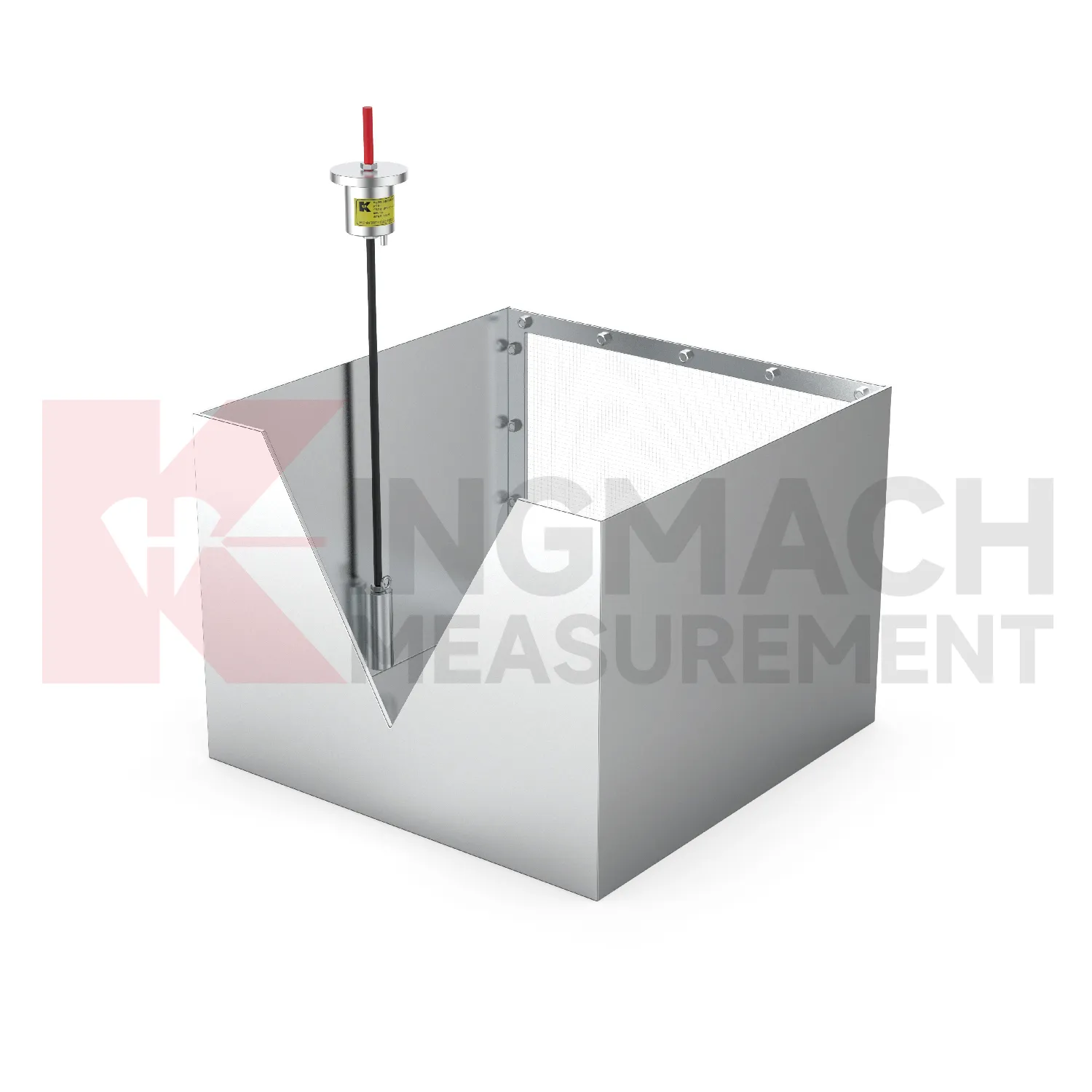
Kingmach Smart Weir Flow Meter can serve both short-term testing and long-term operation. During commissioning, the project team may need to confirm that the weir section is stable, the water head reading responds sensibly, and the data path records the correct point. During long-term use, the owner may care more about trends, maintenance events, seasonal changes, and abnormal flow patterns. The same measuring point must support both phases. That means the handover file should include drawings, photographs, channel notes, cleaning access, first stable readings, data channel names, and maintenance instructions. If the point is later repaired or cleaned, the maintenance note should remain visible beside the curve. This keeps the record useful after the original installation team has left. Handover quality has a direct effect on future trust. New operators should know why the point was installed, where the water comes from, what conditions make the reading unreliable, and how to recognize a channel problem. Photos before and after cleaning, a simple access route, and a short note about expected seasonal behavior can prevent confusion years after installation. Good documentation turns one monitoring point into a durable operating asset rather than a forgotten instrument record. It also makes later audits faster and more consistent.
Application of Smart Weir Flow Meter
Irrigation and agricultural water management can use Kingmach Smart Weir Flow Meter to track delivery through branches, small channels, and controlled measuring points. In these settings, the main question is often not only total flow, but whether the timing and distribution match the operating plan. A flow record can be reviewed with irrigation schedules, rainfall, soil wetness, crop zone demand, and manual field observations. The weir point should be placed where water approaches smoothly and where maintenance staff can clean debris or vegetation. If the record shows gradual decline, the team can check sediment, channel growth, or upstream control. If it shows sudden change, gate movement or operating adjustment may be involved. This makes flow monitoring part of water-use discipline. For irrigation managers, the record should support allocation fairness and field timing. A branch that receives water late, a tail-end area with weak delivery, or a channel that loses capacity after vegetation growth can be identified more clearly when flow history is available. The same data can guide gate timing, cleaning work, seasonal planning, and discussion between upstream and downstream users. Clear site notes help keep the record trusted during busy irrigation periods. When disputes arise, the dated channel record gives all parties a common technical reference.
The future of Smart Weir Flow Meter
Future Kingmach Smart Weir Flow Meter will need stronger data quality checks. A weir flow record can be affected by debris, algae, sediment, backwater, frozen conditions, sensor disturbance, or changed channel geometry. Automated checks can flag suspicious patterns, but the final review still needs field knowledge. The platform should make it easy to record cleaning, inspection, and repairs beside the curve. That way a sudden change can be interpreted with maintenance history rather than treated as a mystery. Good data quality practice keeps the flow record useful in real operating conditions. Future reporting will also need clearer traceability. When a project uses the same channel for compliance, drainage planning, and water balance review, every edited period should explain why the data was accepted, corrected, or excluded. Clean audit notes help different teams trust the same record without turning every monthly review into a fresh investigation. This is especially useful for long unattended periods and seasonal site access limits.
Care & Maintenance of Smart Weir Flow Meter
Backwater and downstream conditions can affect Kingmach Smart Weir Flow Meter records. A weir point assumes that the control section represents the intended relationship between water head and discharge. If downstream water rises, debris blocks the outlet, or channel work creates partial submergence, the recorded level may no longer describe normal open-channel behavior. Maintenance teams should inspect the outlet reach with the same care as the upstream approach. Reports should note flooding, gate operation, temporary pumping, silt deposits, weed growth, or repair work near the discharge path. This wider inspection prevents staff from treating every unusual reading as an instrument fault. A practical review can compare the timing of level changes with rainfall logs, pump schedules, site photographs, and operator notes. When the surrounding hydraulic condition has changed, the record should be kept with a clear explanation before any long-term trend, alarm history, or monthly flow total is interpreted for operating decisions. Clear notes reduce repeated site visits.
Kingmach Smart Weir Flow Meter
Kingmach Smart Weir Flow Meter is useful for small changes because flow problems often begin quietly. A gradual reduction may suggest sediment, vegetation, debris, gate change, or downstream backwater. A sudden increase may follow rainfall, pump activity, discharge operation, or a fault in the upstream system. If the flow record is stored with inspection notes, the team can separate water behavior from measurement trouble. That makes the system useful for maintenance teams as well as designers. The record should help answer what changed, when it changed, and whether the change belongs to water movement or to the measuring point. In many field projects, that distinction prevents wasted trips and confused reports. Operators can review the trend before visiting the channel, then use the visit to confirm hydraulic condition, access safety, and any visible change around the crest or outlet. The result is a clearer operating picture, not just another number in a database.
FAQ
Q: What site conditions affect flow readings?
A: Sediment, debris, turbulence, backwater, algae, damaged crest edges, poor approach flow, and changed channel geometry can all affect the record.
Q: Why is cleaning important?
A: Cleaning keeps the control section clear so the water head record continues to represent the intended flow relationship.
Q: How should abnormal flow changes be reviewed?
A: Check rainfall, upstream operation, downstream condition, cleaning history, enclosure status, and field inspection notes before drawing conclusions.
Q: Can flow monitoring be remote?
A: Yes. Remote monitoring is useful when continuous records are needed or when the site is difficult to access during storms or operation.
Q: What should be recorded at installation?
A: Record channel location, flow direction, weir condition, water head reference, cable route, enclosure position, cleaning access, and first stable reading. The strongest flow reports are written around decisions. They show whether to keep observing, clean the channel, inspect upstream conditions, check downstream backwater, or compare the point with another water-level or rainfall record.
Reviews
Christopher Martinez
Very satisfied with the readouts & data loggers. User-friendly interface and supports multiple sensor inputs.
Ryan Lewis
Fast delivery and excellent product quality. The accelerometers and tiltmeters are highly reliable. Strongly recommend this company.
Latest Inquiries
To protect the privacy of our buyers, only public service email domains like Gmail, Yahoo, and MSN will be displayed. Additionally, only a limited portion of the inquiry content will be shown.
Ava***@gmail.comAustralia
Hi, I am looking for reliable tiltmeters and accelerometers for structural health monitoring. Please...
Evelyn***@gmail.comSouth Africa
Hi, we are a contractor working on tunnel construction and need settlement sensors and displacement ...
Related product categories
- Intelligent Weir Flow Meter
- Smart Weir Flow Meter
- weir flow meter
- weir type flow meter
- weir flow meter Price
- weir flow meter Manufacturer
- weir flow meter Supplier
- weir flow meter Solution
- weir flow meter System Integration
- weir flow meter Localization
- weir flow meter Domestic Manufacturing
- weir flow meter China