
 EN
EN
 ar
ar bg
bg hr
hr cs
cs da
da nl
nl fi
fi fr
fr de
de el
el hi
hi it
it ko
ko no
no pl
pl pt
pt ro
ro ru
ru es
es sv
sv tl
tl iw
iw id
id lv
lv lt
lt sr
sr sk
sk sl
sl uk
uk vi
vi et
et hu
hu th
th tr
tr fa
fa ms
ms hy
hy ka
ka ur
ur bn
bn mn
mn ta
ta kk
kk uz
uz ku
ku
weir flow meter Domestic Manufacturing
For long-term reliability, Kingmach weir flow meter Domestic Manufacturing requires maintenance and verification planning. A weir point can remain accurate only if the hydraulic control remains clean and the water head reading remains tied to the correct reference. Routine inspection should check debris, sediment, crest damage, enclosure condition, cable safety, and whether the water surface behaves normally near the measuring section. Verification should be easier if the project file contains photographs, installation notes, and the original site purpose. This kind of description helps buyers understand the full responsibility of flow monitoring. The device provides the measurement path, but the owner keeps the channel condition and data interpretation healthy. A practical review also checks whether the measuring section remained clean and hydraulically stable. Sediment, debris, vegetation, downstream backwater, or a disturbed approach can change the meaning of the same water-head reading, so those conditions belong in the project notes. For long-term operation, the point name, flow direction, channel purpose, cleaning history, and first stable value should remain visible. Those details help a new operator understand why the point exists and how the data should be used after handover. During abnormal events, the team should compare the flow record with rainfall, upstream control, pumping, seepage, inspection findings, and maintenance work. That comparison helps separate normal water response from blockage, measurement disturbance, or a change in the water system.
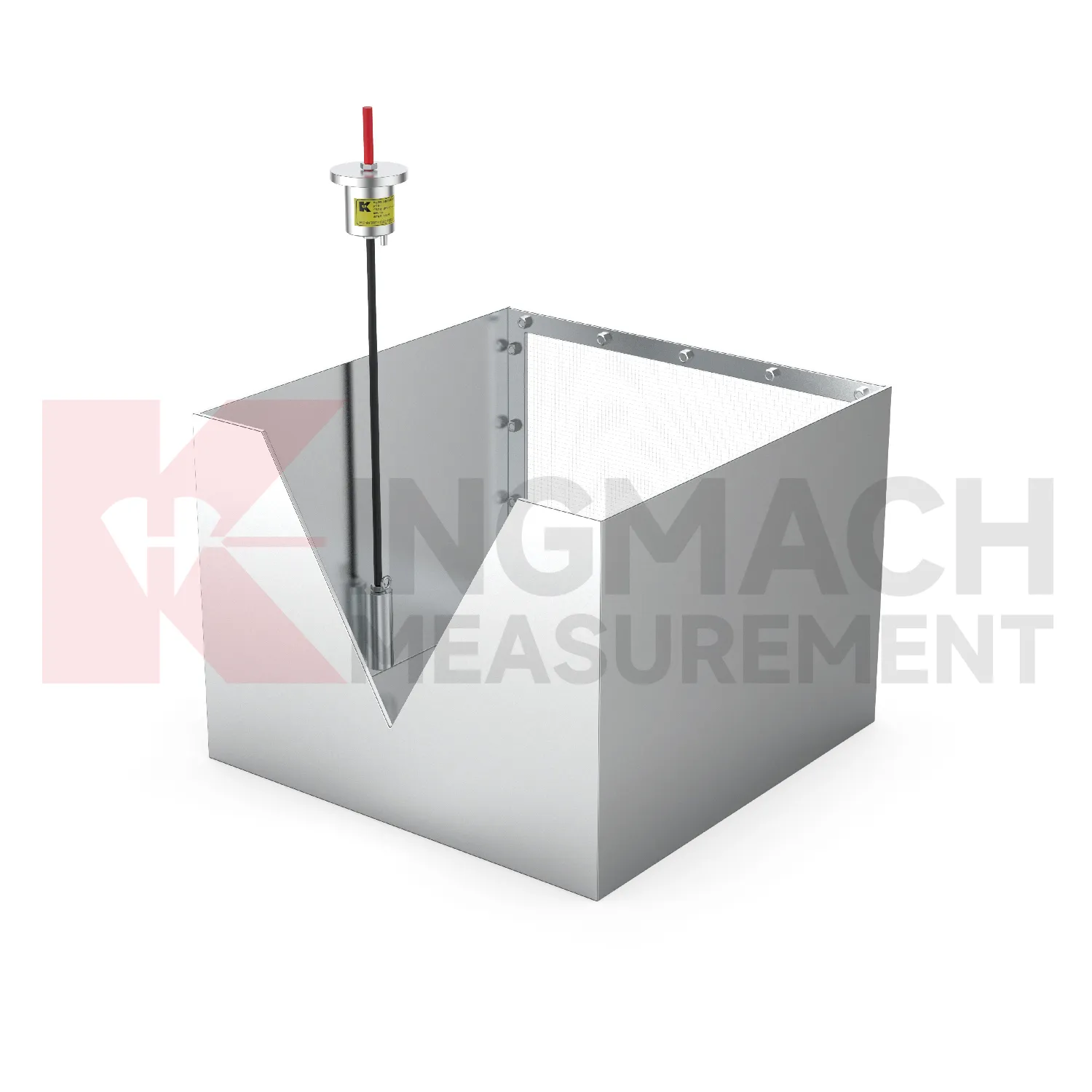
Application of weir flow meter Domestic Manufacturing
Integrated monitoring platforms use Kingmach weir flow meter Domestic Manufacturing as the flow layer beside rainfall, water level, seepage, settlement, displacement, and environmental records. The platform should not treat flow as an isolated number. Each flow point should be linked to the water path it represents and the engineering question it supports. For a slope, flow may relate to drainage and groundwater. For a tunnel, it may relate to seepage collection. For irrigation, it may relate to delivery. For construction, it may relate to runoff control. During an abnormal event, the reviewer should see flow timing, related conditions, inspection notes, and any maintenance action in one place. This makes the record useful for operation and decision-making. A practical review also checks whether the measuring section remained clean and hydraulically stable. Sediment, debris, vegetation, downstream backwater, or a disturbed approach can change the meaning of the same water-head reading, so those conditions belong in the project notes. For long-term operation, the point name, flow direction, channel purpose, cleaning history, and first stable value should remain visible. Those details help a new operator understand why the point exists and how the data should be used after handover. During abnormal events, the team should compare the flow record with rainfall, upstream control, pumping, seepage, inspection findings, and maintenance work. That comparison helps separate normal water response from blockage, measurement disturbance, or a change in the water system.
The future of weir flow meter Domestic Manufacturing
Water-related risk review will shape future Kingmach weir flow meter Domestic Manufacturing. In slopes, dams, tunnels, and drainage systems, flow changes can be early evidence of a changing water path. Future monitoring should compare flow with seepage, pore pressure, rainfall, settlement, displacement, and inspection notes where those records exist. A flow rise alone may not mean danger, but a flow rise with movement or seepage change deserves attention. A flow drop can also matter if it suggests blockage or a changed drainage path. Future reporting should help teams see these combinations quickly. Risk review needs clear grouping of related records. Engineers should be able to see whether flow changed before, after, or at the same time as rainfall, pressure, or movement. That timing can guide the next field check and help avoid overreacting to a single isolated value. A practical report should make relationships visible without hiding the need for professional judgment. Carefully.
Care & Maintenance of weir flow meter Domestic Manufacturing
Replacement or repair of Kingmach weir flow meter Domestic Manufacturing components should preserve the flow history. If the measuring section, water head point, enclosure, cable, data channel, or platform setting changes, record the date, reason, old condition, new condition, and first stable reading. Do not hide the change by forcing the curve to look continuous without explanation. Future reviewers need to know whether a flow shift came from water behavior or from maintenance. A clear repair note protects the long-term value of the flow record and makes handover easier for the next team. Repair work should also include a short comparison before and after the change. Photos, technician notes, and a brief explanation of why the work was done can keep the data traceable. If the channel was cleaned or reshaped at the same time, that should be separated from instrument repair so later trend review does not mix two different causes. during review.
Kingmach weir flow meter Domestic Manufacturing
A strong Kingmach weir flow meter Domestic Manufacturing record supports more than one team. Designers may care about hydraulic behavior, operators may care about regulation, maintenance staff may care about debris and cleaning, and owners may care about water accounting and risk. The record is easier to use when it states where the water passes, how the head is read, what can disturb the flow, and how the data supports decisions. Avoiding product and parameter lists makes the message clearer. The buyer needs to understand how the measurement will work in the channel, not memorize a specification table. A weir point also needs safe routine access. If staff cannot reach the crest, enclosure, or sensing area during wet weather, the project may collect data but struggle to maintain confidence in it when the record is most important. Designers, operators, maintenance staff, and owners may read the same curve, so the record needs clear site conditions, inspection notes, and action history in plain engineering language.
FAQ
Q: What site conditions affect flow readings?
A: Sediment, debris, turbulence, backwater, algae, damaged crest edges, poor approach flow, and changed channel geometry can all affect the record.
Q: Why is cleaning important?
A: Cleaning keeps the control section clear so the water head record continues to represent the intended flow relationship.
Q: How should abnormal flow changes be reviewed?
A: Check rainfall, upstream operation, downstream condition, cleaning history, enclosure status, and field inspection notes before drawing conclusions.
Q: Can flow monitoring be remote?
A: Yes. Remote monitoring is useful when continuous records are needed or when the site is difficult to access during storms or operation.
Q: What should be recorded at installation?
A: Record channel location, flow direction, weir condition, water head reference, cable route, enclosure position, cleaning access, and first stable reading. The strongest flow reports are written around decisions. They show whether to keep observing, clean the channel, inspect upstream conditions, check downstream backwater, or compare the point with another water-level or rainfall record.
Reviews
Ryan Lewis
Fast delivery and excellent product quality. The accelerometers and tiltmeters are highly reliable. Strongly recommend this company.
Robert Taylor
The weir flow meter is well-built and delivers accurate measurements. Great value for water management applications.
Latest Inquiries
To protect the privacy of our buyers, only public service email domains like Gmail, Yahoo, and MSN will be displayed. Additionally, only a limited portion of the inquiry content will be shown.
Emma***@gmail.comCanada
Dear Sir/Madam, we are interested in displacement transducers and settlement sensors for a geotechni...
Ava***@gmail.comAustralia
Hi, I am looking for reliable tiltmeters and accelerometers for structural health monitoring. Please...