
 EN
EN
 ar
ar bg
bg hr
hr cs
cs da
da nl
nl fi
fi fr
fr de
de el
el hi
hi it
it ko
ko no
no pl
pl pt
pt ro
ro ru
ru es
es sv
sv tl
tl iw
iw id
id lv
lv lt
lt sr
sr sk
sk sl
sl uk
uk vi
vi et
et hu
hu th
th tr
tr fa
fa ms
ms hy
hy ka
ka ur
ur bn
bn mn
mn ta
ta kk
kk uz
uz ku
ku
weir flow meter Factory Price
Kingmach weir flow meter Factory Price turns a small water level change into a usable flow trend. Many water projects do not need only a single discharge value; they need to know whether flow is rising, falling, delayed after rainfall, reduced after sediment build-up, or affected by upstream operation. The weir point gives a control section, while the water head record gives the time-based signal. Engineers can then compare flow with rainfall, gate operation, pump status, drainage reports, seepage observation, or field inspection. This makes the record useful for operation and diagnosis. A flow increase during rain may be expected, but a flow increase during dry conditions may need attention. A slow decline may point to blockage or changed channel conditions. The product information can make these review paths clear without presenting the meter as a standalone device. The field record should explain the water path, the condition before the reading changed, the inspection access, and whether nearby operations or weather events affected the channel. This keeps the flow curve connected to real site behavior rather than leaving it as an isolated number. A practical review also checks whether the measuring section remained clean and hydraulically stable. Sediment, debris, vegetation, downstream backwater, or a disturbed approach can change the meaning of the same water-head reading, so those conditions belong in the project notes.
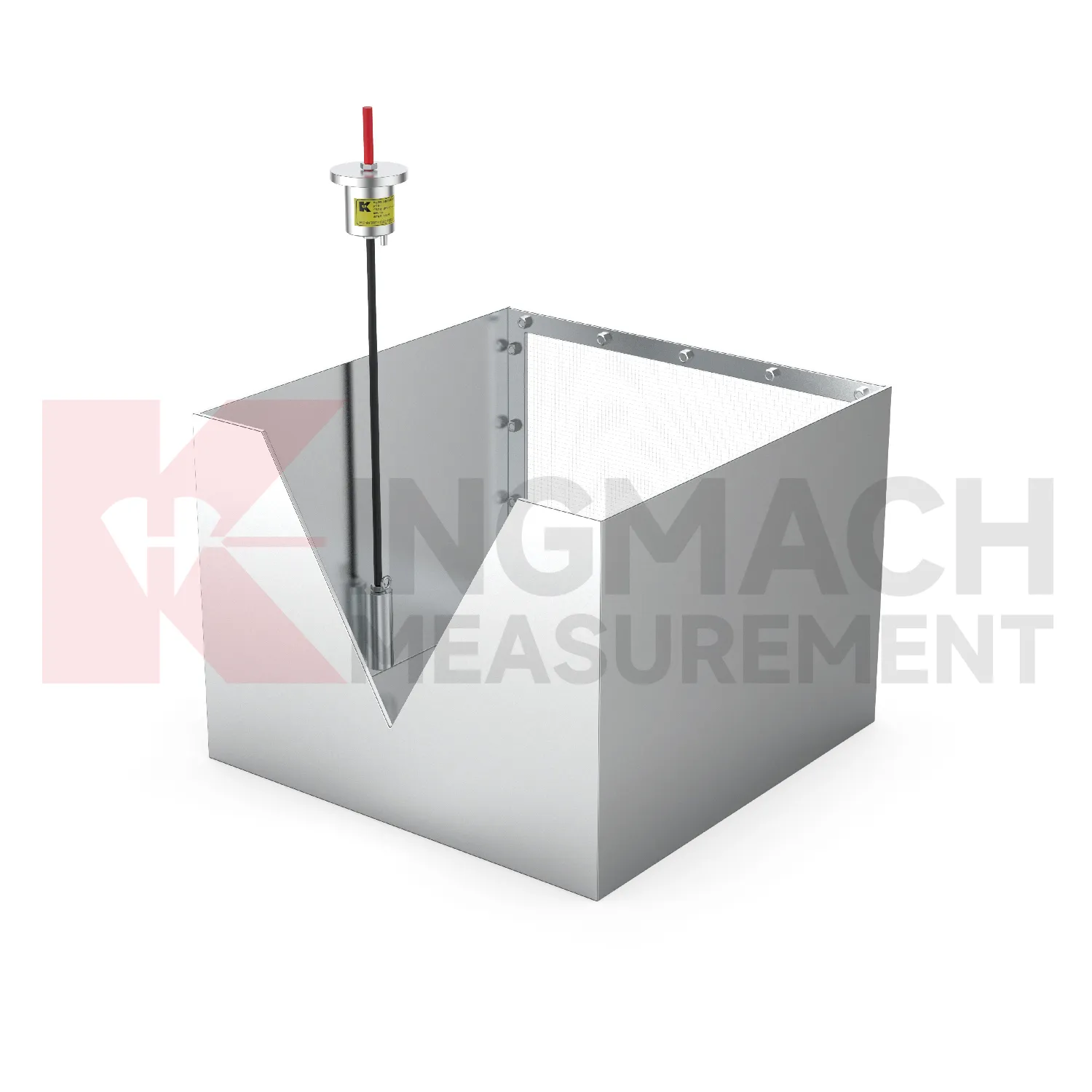
Application of weir flow meter Factory Price
Water conservancy projects use Kingmach weir flow meter Factory Price to observe controlled flow through small structures, channels, test sections, and auxiliary discharge points. The measurement is useful when operators need a continuous record rather than occasional visual checks. A weir point can show how flow changes after rainfall, gate operation, upstream storage variation, or maintenance work. The application should be planned around the water path: approach condition, weir crest, water head reference, downstream influence, and cleaning access. Data should be reviewed with reservoir level, rainfall, gate records, seepage notes, and field inspection. If the flow curve changes suddenly, the team should check both the water condition and the measuring section. This approach helps water conservancy teams use flow monitoring as part of operation, maintenance, and safety review rather than a separate instrument reading. In these projects, the flow point may support canal regulation, spillway observation, auxiliary drainage, or small test structures. The record is strongest when it is linked to the purpose of the channel. Operators can compare the trend with gate timing, upstream water level, and inspection notes, then decide whether the change reflects normal operation, a blockage, or a field condition that needs direct confirmation. This keeps operational review connected to hydraulic reality.
The future of weir flow meter Factory Price
Future Kingmach weir flow meter Factory Price will be designed around user roles. Operators may need alarms and daily trends. Engineers may need event detail and comparison with rainfall or water level. Maintenance crews may need cleaning access and inspection status. Owners may need monthly water management summaries. A single data stream can support all of these users when the platform is organized well. The key is to define how each user will act on the flow record before the point is installed. This prevents the monitoring system from collecting data that nobody knows how to use. Role-based reporting should show each team the action that matters to them. An operator may check whether discharge returned to normal after a storm. A maintenance crew may check whether sediment is reducing channel capacity. An owner may compare several stations across a season. The same measurement becomes more useful when the display matches the decision being made.
Care & Maintenance of weir flow meter Factory Price
Replacement or repair of Kingmach weir flow meter Factory Price components should preserve the flow history. If the measuring section, water head point, enclosure, cable, data channel, or platform setting changes, record the date, reason, old condition, new condition, and first stable reading. Do not hide the change by forcing the curve to look continuous without explanation. Future reviewers need to know whether a flow shift came from water behavior or from maintenance. A clear repair note protects the long-term value of the flow record and makes handover easier for the next team. Repair work should also include a short comparison before and after the change. Photos, technician notes, and a brief explanation of why the work was done can keep the data traceable. If the channel was cleaned or reshaped at the same time, that should be separated from instrument repair so later trend review does not mix two different causes. during review.
Kingmach weir flow meter Factory Price
Kingmach weir flow meter Factory Price is useful for small changes because flow problems often begin quietly. A gradual reduction may suggest sediment, vegetation, debris, gate change, or downstream backwater. A sudden increase may follow rainfall, pump activity, discharge operation, or a fault in the upstream system. If the flow record is stored with inspection notes, the team can separate water behavior from measurement trouble. That makes the system useful for maintenance teams as well as designers. The record should help answer what changed, when it changed, and whether the change belongs to water movement or to the measuring point. In many field projects, that distinction prevents wasted trips and confused reports. Operators can review the trend before visiting the channel, then use the visit to confirm hydraulic condition, access safety, and any visible change around the crest or outlet. The result is a clearer operating picture, not just another number in a database.
FAQ
Q: What maintenance is needed?
A: Inspect the crest, approach channel, downstream condition, sensing area, enclosure, cable route, labels, and recent flow trend.
Q: How often should cleaning happen?
A: Cleaning frequency depends on debris, sediment, season, upstream activity, rainfall, and how critical the flow record is for the project.
Q: What should be checked after storms?
A: Check debris, sediment, water marks, downstream backwater, enclosure water entry, cable damage, and whether the first post-storm reading is plausible.
Q: Why record maintenance notes?
A: Maintenance notes explain whether a flow change came from real water behavior, cleaning, repair, blockage, or measuring-section disturbance.
Q: What if the weir point is modified?
A: Record the date, reason, old condition, new condition, and first stable reading so future reviewers can compare the curve correctly. Designers, operators, maintenance staff, and owners may read the same curve, so the record needs clear site conditions, inspection notes, and action history in plain engineering language.
Reviews
Joshua Clark
We ordered a full monitoring solution including sensors and data loggers. Everything works seamlessly together. Great supplier!
James Thompson
The tiltmeters and accelerometers are very sensitive and provide precise data. Perfect for our structural health monitoring system.
Latest Inquiries
To protect the privacy of our buyers, only public service email domains like Gmail, Yahoo, and MSN will be displayed. Additionally, only a limited portion of the inquiry content will be shown.
Harper***@gmail.comIndia
Dear Sir, we are planning to procure a complete monitoring system including strain gauges, tiltmeter...
Charlotte***@gmail.comUnited Arab Emirates
Hi, we require instrumentation cables suitable for harsh environments. Could you advise on specifica...