
 EN
EN
 ar
ar bg
bg hr
hr cs
cs da
da nl
nl fi
fi fr
fr de
de el
el hi
hi it
it ko
ko no
no pl
pl pt
pt ro
ro ru
ru es
es sv
sv tl
tl iw
iw id
id lv
lv lt
lt sr
sr sk
sk sl
sl uk
uk vi
vi et
et hu
hu th
th tr
tr fa
fa ms
ms hy
hy ka
ka ur
ur bn
bn mn
mn ta
ta kk
kk uz
uz ku
ku
weir flow meter Supplier
A Kingmach weir flow meter Supplier installation works as a hydraulic measurement point, not simply a sensor mounted near water. The weir body, crest, approach channel, water head location, enclosure, cable route, and inspection access all affect the quality of the flow record. A good site has stable approach flow and enough access for cleaning, verification, and safe maintenance. If the water surface is turbulent, if sediment collects near the crest, or if downstream water backs up toward the measuring section, the record may not represent the intended relationship between head and flow. Product information can help project teams evaluate these conditions before installation. It also reminds owners that long-term reliability comes from both equipment and routine channel care. A well-installed point can provide useful data for years, while a poorly placed point can create repeated uncertainty even when the electronics are working. Maintenance teams need a record that tells them where to look. If a curve drops slowly, cleaning and sediment checks may come first. If it rises suddenly during dry conditions, upstream operation or a changed drainage path may deserve attention. The strongest flow reports are written around decisions. They show whether to keep observing, clean the channel, inspect upstream conditions, check downstream backwater, or compare the point with another water-level or rainfall record.
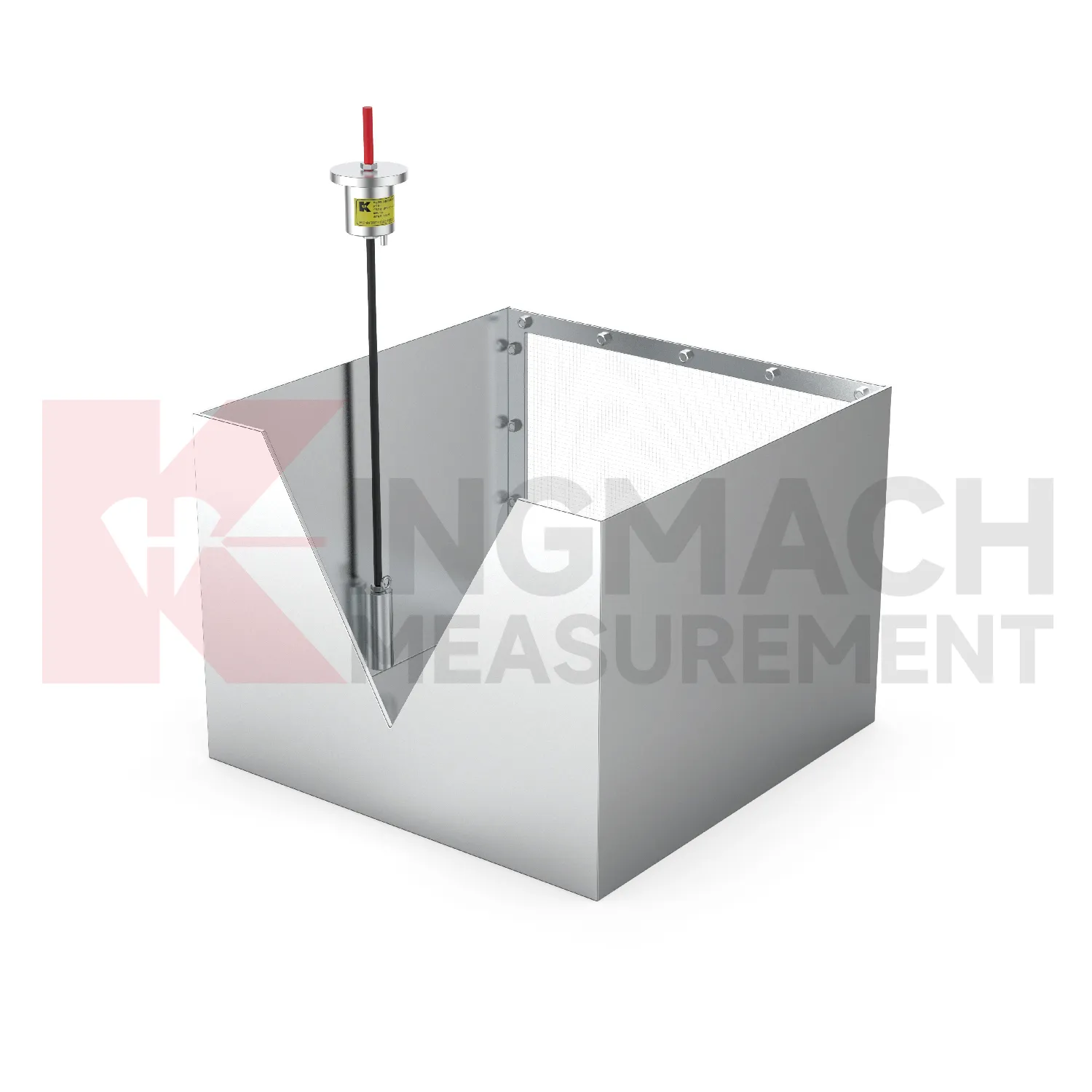
Application of weir flow meter Supplier
Industrial water management uses Kingmach weir flow meter Supplier where liquid flow through an open channel or controlled measuring section must be tracked. The site may need to monitor process water, cooling discharge, drainage, or controlled outflow. Flow records should be reviewed with operating schedules, equipment status, cleaning events, and water quality observations when available. The measuring point should avoid turbulence from nearby bends, drops, or inflow disturbances if the record is expected to represent stable channel behavior. Maintenance teams should keep access to the crest and water head location. When the data is connected to operations, the flow curve can show whether the process is stable, restricted, or affected by maintenance. Industrial sites often need records that different departments can read without argument. Operations staff may focus on timing, environmental staff may focus on discharge documentation, and maintenance staff may focus on cleaning or obstruction. A dated weir record gives these groups a shared basis for review. If process activity changes, the note beside the curve should explain what happened so the flow trend remains tied to real plant behavior. The same record can support permit discussions, internal audits, and maintenance planning when channel condition affects measured discharge. across operating teams. consistently.
The future of weir flow meter Supplier
Water-related risk review will shape future Kingmach weir flow meter Supplier. In slopes, dams, tunnels, and drainage systems, flow changes can be early evidence of a changing water path. Future monitoring should compare flow with seepage, pore pressure, rainfall, settlement, displacement, and inspection notes where those records exist. A flow rise alone may not mean danger, but a flow rise with movement or seepage change deserves attention. A flow drop can also matter if it suggests blockage or a changed drainage path. Future reporting should help teams see these combinations quickly. Risk review needs clear grouping of related records. Engineers should be able to see whether flow changed before, after, or at the same time as rainfall, pressure, or movement. That timing can guide the next field check and help avoid overreacting to a single isolated value. A practical report should make relationships visible without hiding the need for professional judgment. Carefully.
Care & Maintenance of weir flow meter Supplier
Backwater and downstream conditions can affect Kingmach weir flow meter Supplier records. A weir point assumes that the control section represents the intended relationship between water head and discharge. If downstream water rises, debris blocks the outlet, or channel work creates partial submergence, the recorded level may no longer describe normal open-channel behavior. Maintenance teams should inspect the outlet reach with the same care as the upstream approach. Reports should note flooding, gate operation, temporary pumping, silt deposits, weed growth, or repair work near the discharge path. This wider inspection prevents staff from treating every unusual reading as an instrument fault. A practical review can compare the timing of level changes with rainfall logs, pump schedules, site photographs, and operator notes. When the surrounding hydraulic condition has changed, the record should be kept with a clear explanation before any long-term trend, alarm history, or monthly flow total is interpreted for operating decisions. Clear notes reduce repeated site visits.
Kingmach weir flow meter Supplier
Kingmach weir flow meter Supplier can be part of a wider monitoring network where flow is reviewed beside rainfall, water level, seepage, settlement, displacement, and inspection records. In a dam or slope project, changing flow may signal water movement that deserves attention. In a tunnel, drainage flow may help explain seepage or maintenance demand. In an irrigation or drainage system, flow records may support allocation and operating schedules. The point is not to collect another curve; it is to connect flow behavior with field conditions. When the flow record is time-aligned with related data, engineers can understand cause and effect more quickly. The field record should explain the water path, the condition before the reading changed, the inspection access, and whether nearby operations or weather events affected the channel. This keeps the flow curve connected to real site behavior rather than leaving it as an isolated number. A practical review also checks whether the measuring section remained clean and hydraulically stable. Sediment, debris, vegetation, downstream backwater, or a disturbed approach can change the meaning of the same water-head reading, so those conditions belong in the project notes.
FAQ
Q: What maintenance is needed?
A: Inspect the crest, approach channel, downstream condition, sensing area, enclosure, cable route, labels, and recent flow trend.
Q: How often should cleaning happen?
A: Cleaning frequency depends on debris, sediment, season, upstream activity, rainfall, and how critical the flow record is for the project.
Q: What should be checked after storms?
A: Check debris, sediment, water marks, downstream backwater, enclosure water entry, cable damage, and whether the first post-storm reading is plausible.
Q: Why record maintenance notes?
A: Maintenance notes explain whether a flow change came from real water behavior, cleaning, repair, blockage, or measuring-section disturbance.
Q: What if the weir point is modified?
A: Record the date, reason, old condition, new condition, and first stable reading so future reviewers can compare the curve correctly. Designers, operators, maintenance staff, and owners may read the same curve, so the record needs clear site conditions, inspection notes, and action history in plain engineering language.
Reviews
Michael Anderson
The strain gauges and load cells are extremely accurate and stable. They performed very well in our bridge monitoring project. Highly recommended!
Christopher Martinez
Very satisfied with the readouts & data loggers. User-friendly interface and supports multiple sensor inputs.
Latest Inquiries
To protect the privacy of our buyers, only public service email domains like Gmail, Yahoo, and MSN will be displayed. Additionally, only a limited portion of the inquiry content will be shown.
Sophia***@gmail.comUnited Kingdom
Good day, we need environmental monitoring sensors including temperature, humidity, and wind sensors...
Isabella***@gmail.comGermany
Hello, we are evaluating weir flow meters for a water management project. Please share accuracy deta...