
 EN
EN
 ar
ar bg
bg hr
hr cs
cs da
da nl
nl fi
fi fr
fr de
de el
el hi
hi it
it ko
ko no
no pl
pl pt
pt ro
ro ru
ru es
es sv
sv tl
tl iw
iw id
id lv
lv lt
lt sr
sr sk
sk sl
sl uk
uk vi
vi et
et hu
hu th
th tr
tr fa
fa ms
ms hy
hy ka
ka ur
ur bn
bn mn
mn ta
ta kk
kk uz
uz ku
ku
weir flow meter steep discount
For long-term reliability, Kingmach weir flow meter steep discount requires maintenance and verification planning. A weir point can remain accurate only if the hydraulic control remains clean and the water head reading remains tied to the correct reference. Routine inspection should check debris, sediment, crest damage, enclosure condition, cable safety, and whether the water surface behaves normally near the measuring section. Verification should be easier if the project file contains photographs, installation notes, and the original site purpose. This kind of description helps buyers understand the full responsibility of flow monitoring. The device provides the measurement path, but the owner keeps the channel condition and data interpretation healthy. A practical review also checks whether the measuring section remained clean and hydraulically stable. Sediment, debris, vegetation, downstream backwater, or a disturbed approach can change the meaning of the same water-head reading, so those conditions belong in the project notes. For long-term operation, the point name, flow direction, channel purpose, cleaning history, and first stable value should remain visible. Those details help a new operator understand why the point exists and how the data should be used after handover. During abnormal events, the team should compare the flow record with rainfall, upstream control, pumping, seepage, inspection findings, and maintenance work. That comparison helps separate normal water response from blockage, measurement disturbance, or a change in the water system.
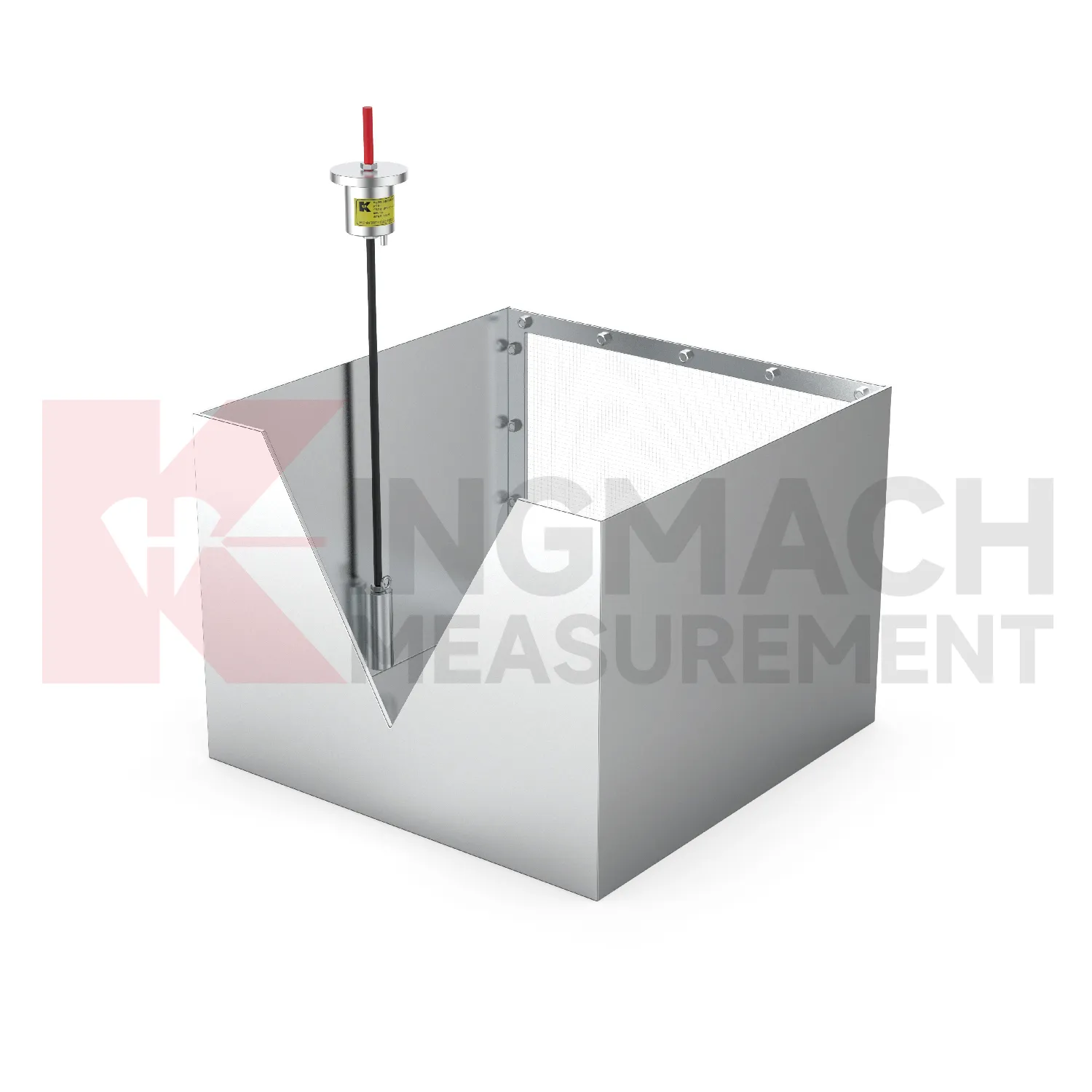
Application of weir flow meter steep discount
Irrigation and agricultural water management can use Kingmach weir flow meter steep discount to track delivery through branches, small channels, and controlled measuring points. In these settings, the main question is often not only total flow, but whether the timing and distribution match the operating plan. A flow record can be reviewed with irrigation schedules, rainfall, soil wetness, crop zone demand, and manual field observations. The weir point should be placed where water approaches smoothly and where maintenance staff can clean debris or vegetation. If the record shows gradual decline, the team can check sediment, channel growth, or upstream control. If it shows sudden change, gate movement or operating adjustment may be involved. This makes flow monitoring part of water-use discipline. For irrigation managers, the record should support allocation fairness and field timing. A branch that receives water late, a tail-end area with weak delivery, or a channel that loses capacity after vegetation growth can be identified more clearly when flow history is available. The same data can guide gate timing, cleaning work, seasonal planning, and discussion between upstream and downstream users. Clear site notes help keep the record trusted during busy irrigation periods. When disputes arise, the dated channel record gives all parties a common technical reference.
The future of weir flow meter steep discount
Water-related risk review will shape future Kingmach weir flow meter steep discount. In slopes, dams, tunnels, and drainage systems, flow changes can be early evidence of a changing water path. Future monitoring should compare flow with seepage, pore pressure, rainfall, settlement, displacement, and inspection notes where those records exist. A flow rise alone may not mean danger, but a flow rise with movement or seepage change deserves attention. A flow drop can also matter if it suggests blockage or a changed drainage path. Future reporting should help teams see these combinations quickly. Risk review needs clear grouping of related records. Engineers should be able to see whether flow changed before, after, or at the same time as rainfall, pressure, or movement. That timing can guide the next field check and help avoid overreacting to a single isolated value. A practical report should make relationships visible without hiding the need for professional judgment. Carefully.
Care & Maintenance of weir flow meter steep discount
Calibration and verification for Kingmach weir flow meter steep discount should be treated as part of operation. The team should compare the flow record with visible site behavior, maintenance notes, and any manual checks used by the project. Verification does not always require a complex procedure; sometimes it means confirming that water passes the crest cleanly and that the recorded trend matches the observed condition. If a repair, cleaning, or channel modification occurs, a post-work check should be saved. This keeps the measurement defensible when flow data is used for reports, water accounting, or operating decisions. Verification notes should record who checked the point, what reference was used, whether the channel was stable, and whether unusual weather or upstream activity affected the reading. A dated note beside the data curve is often more useful than a vague pass or fail mark. It helps reviewers understand the field condition before comparing monthly totals or investigating a sudden shift.
Kingmach weir flow meter steep discount
Kingmach weir flow meter steep discount can be part of a wider monitoring network where flow is reviewed beside rainfall, water level, seepage, settlement, displacement, and inspection records. In a dam or slope project, changing flow may signal water movement that deserves attention. In a tunnel, drainage flow may help explain seepage or maintenance demand. In an irrigation or drainage system, flow records may support allocation and operating schedules. The point is not to collect another curve; it is to connect flow behavior with field conditions. When the flow record is time-aligned with related data, engineers can understand cause and effect more quickly. The field record should explain the water path, the condition before the reading changed, the inspection access, and whether nearby operations or weather events affected the channel. This keeps the flow curve connected to real site behavior rather than leaving it as an isolated number. A practical review also checks whether the measuring section remained clean and hydraulically stable. Sediment, debris, vegetation, downstream backwater, or a disturbed approach can change the meaning of the same water-head reading, so those conditions belong in the project notes.
FAQ
Q: What should buyers define before ordering?
A: Define the water path, measuring purpose, channel condition, access, data review method, maintenance plan, and related site records.
Q: Can one flow point answer every water question?
A: No. Each point should represent a defined channel or discharge path and should be linked to the engineering question it supports.
Q: Why avoid product and parameter lists in the page?
A: Readers need to understand how the flow point works in the channel, how it is maintained, and how the data supports decisions.
Q: What makes long-term flow data reliable?
A: Stable installation, clean hydraulic control, consistent maintenance, clear units, point photos, and visible repair history make long-term data reliable.
Q: How should flow data be reported?
A: Reports should show the measured channel, time period, flow trend, related site conditions, inspection notes, and any action taken. For water accounting or resource management, the same section, reference point, and maintenance discipline make seasonal and operational comparison reliable.
Reviews
Andrew Lee
The visualization software is intuitive and powerful. It helps us analyze monitoring data efficiently.
Christopher Martinez
Very satisfied with the readouts & data loggers. User-friendly interface and supports multiple sensor inputs.
Latest Inquiries
To protect the privacy of our buyers, only public service email domains like Gmail, Yahoo, and MSN will be displayed. Additionally, only a limited portion of the inquiry content will be shown.
Isabella***@gmail.comGermany
Hello, we are evaluating weir flow meters for a water management project. Please share accuracy deta...
Mia***@gmail.comNetherlands
Dear team, we are interested in your readouts & data loggers compatible with multiple sensors. Do yo...