
 EN
EN
 ar
ar bg
bg hr
hr cs
cs da
da nl
nl fi
fi fr
fr de
de el
el hi
hi it
it ko
ko no
no pl
pl pt
pt ro
ro ru
ru es
es sv
sv tl
tl iw
iw id
id lv
lv lt
lt sr
sr sk
sk sl
sl uk
uk vi
vi et
et hu
hu th
th tr
tr fa
fa ms
ms hy
hy ka
ka ur
ur bn
bn mn
mn ta
ta kk
kk uz
uz ku
ku
Biaxial Inclinometer
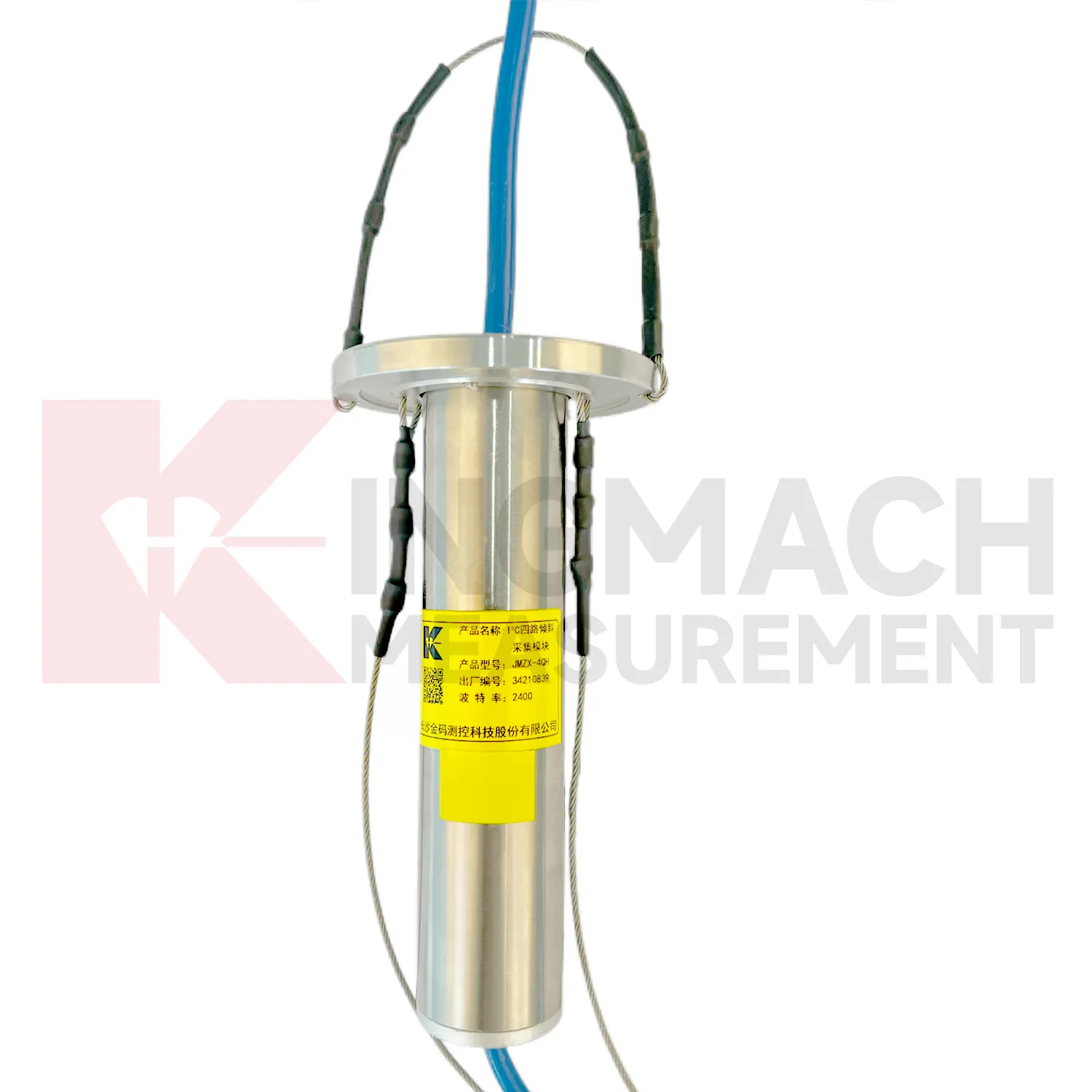
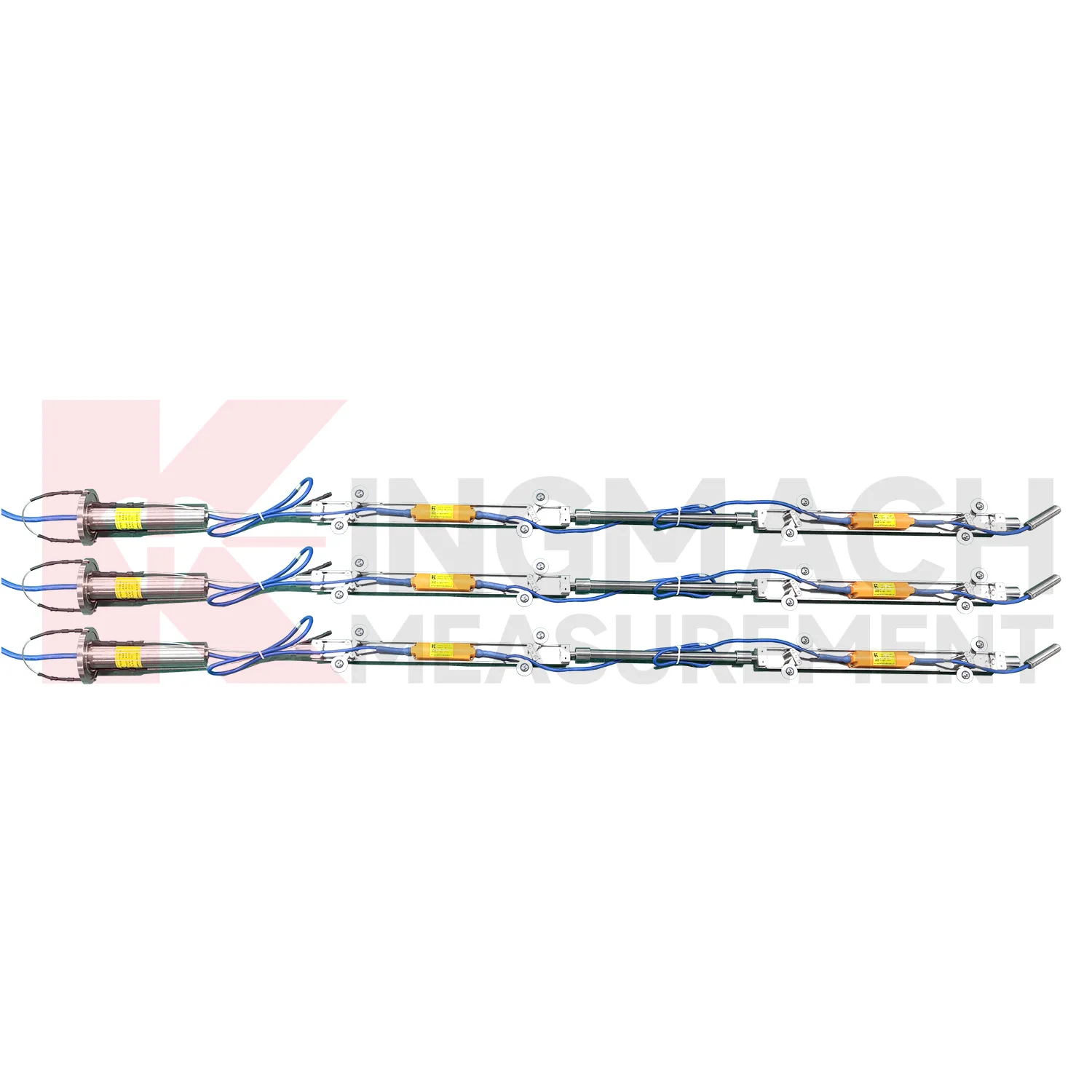
The JMZX-4QH acquisition module connects Kingmach Biaxial Inclinometer into a multi-channel inclinometer data chain. It is used to collect measurement data from multi-point vertical in-place inclinometer strings and upload the data by wired or wireless means. Product details describe one controllable sensor power supply output, four downstream communication interfaces, automatic recognition, intelligent calculation after connection, and installation at the inclinometer tube orifice for waterproof and dustproof protection. The module supports up to 100 sensors through four channels. Published data includes DC 9V to 24V operating voltage, standby power below 0.5W, operation power below 4W, RS485 uplink communication with configurable baud rates, -30 degrees Celsius to +70 degrees Celsius operating temperature, about 70 mm length, about 1 kg weight, and IP67 protection. It is relevant when borehole sensors need organized power, communication, and upload control.
Application of Biaxial Inclinometer
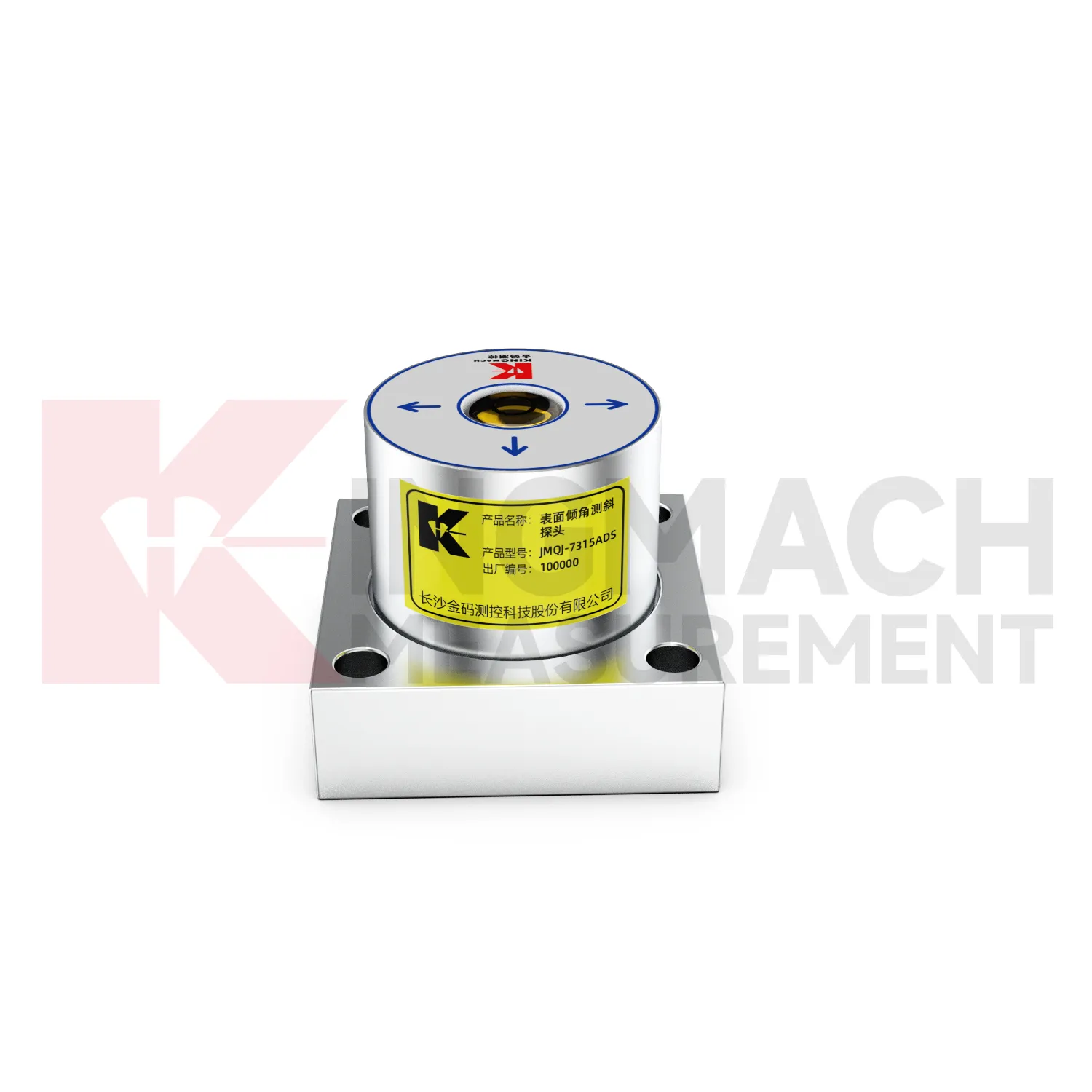
Railway and subway projects use Biaxial Inclinometer to observe trackside structures, retaining walls, tunnel linings, station structures, and embankment slopes. JMQJ-7315ADS supports wired RS485 acquisition, while JMQJ-7315RTU can reduce cable work through wireless 4G transmission. For underground or borehole deformation, JMQJ-7915ATS can provide multi-point inclinometer measurements. Tilt data should be interpreted with train operation, vibration, settlement, displacement, lining inspection, groundwater, and construction stage. Railway environments place strict demands on mounting protection and data continuity because access windows may be short. A good record connects each sensor with chainage, side, axis, structural member, and baseline reading. That way a tilt trend can be quickly compared with maintenance work or nearby deformation instruments.
The future of Biaxial Inclinometer
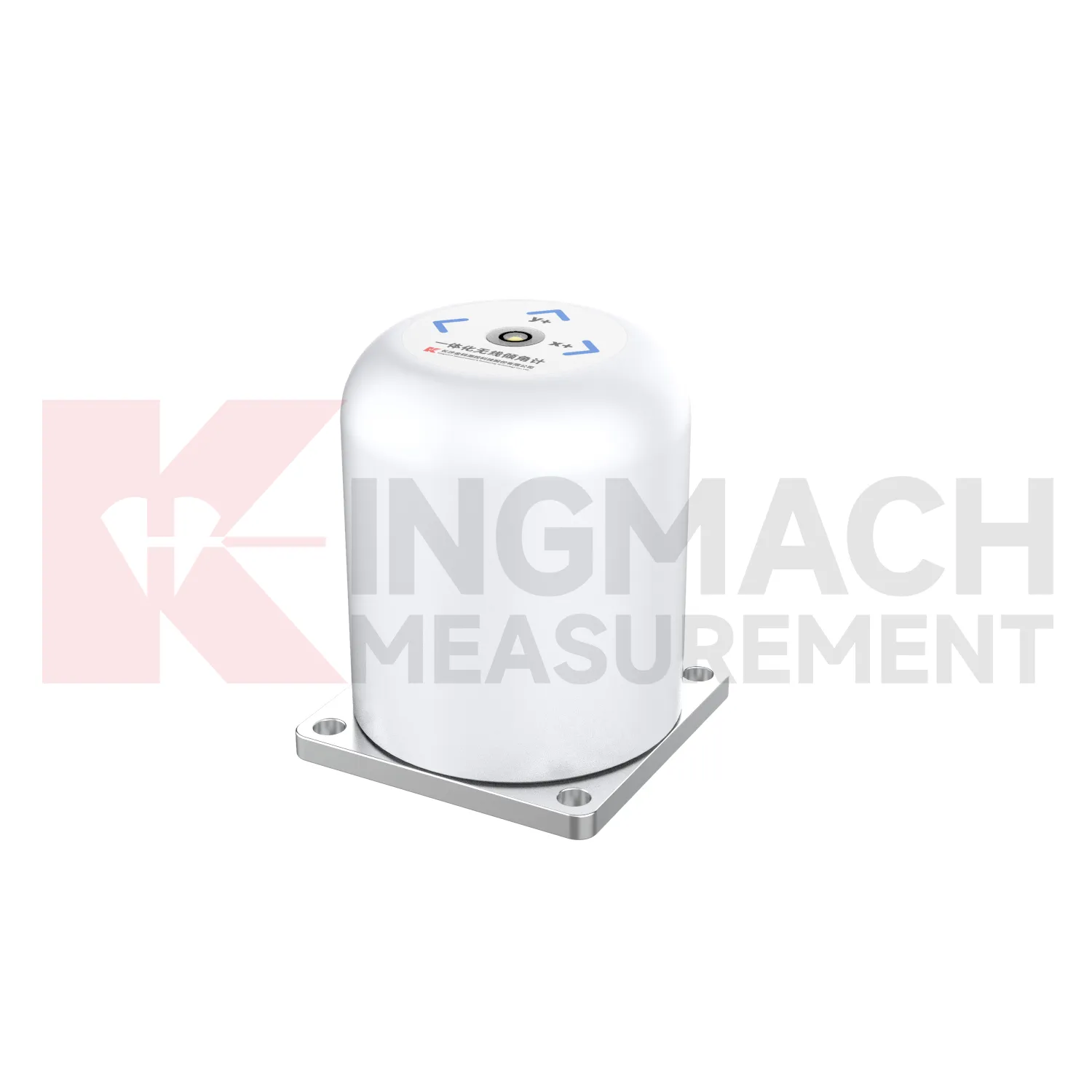
Data interpretation will become a stronger part of future Biaxial Inclinometer use. Angle values are precise, but the engineering meaning depends on direction, rate, location, structure type, and nearby events. A building column tilt record, a slope borehole profile, and a bridge pier rotation curve should not be judged the same way. Future platforms can help by grouping points by structure, showing rate of change, linking photos and inspection notes, and comparing tilt with settlement, displacement, strain, load, and water level. Kingmach tilt products provide the sensing layer; the next practical gain comes from making review workflows clearer. Better interpretation reduces both missed warnings and unnecessary field alarms.
Care & Maintenance of Biaxial Inclinometer
Data review is part of maintaining Biaxial Inclinometer. A curve should be checked for rate, direction, sudden jumps, missing values, repeated flatlines, and disagreement with nearby instruments. Compare tilt with settlement, displacement, strain, load, pore pressure, rainfall, vibration, and water level when available. For automated systems, verify channel names, units, time stamps, and alarm thresholds after platform changes. For manual readings, keep raw field notes and processed graphs together. If an alarm appears, inspect the mounting point, communication path, recent site work, and related instrument behavior. A good maintenance process treats data quality and field condition as one record, not two separate tasks.
Kingmach Biaxial Inclinometer
Kingmach Biaxial Inclinometer help turn difficult-to-observe deformation into repeatable engineering evidence. Hidden parts of structures are often the hardest to judge: deep soil, buried retaining systems, bridge substructures, railway bases, foundation pit walls, and underground construction zones. Tilt measurement gives engineers a way to see angular change before visible damage becomes obvious. The product category is used in bridges, tunnels, slopes, buildings, foundation pits, geological hazard areas, railways, dams, embankments, port engineering, and other structural scenarios. The monitoring record should connect each sensor to a drawing location, axis label, baseline date, power source, communication path, and related construction activity. Without that context, even a precise angle may be hard to interpret. With it, tilt data can support timely inspection and measured engineering decisions.
FAQ
Q: What is the difference between a fixed tiltmeter and a sliding inclinometer?
A: A fixed tiltmeter monitors one installed point continuously, while a sliding inclinometer is moved through casing to build a deformation profile by depth.Q: What is the difference between JMQJ-7315ADS and JMQJ-7315RTU?
A: JMQJ-7315ADS is a wired RS485 fixed tiltmeter, while JMQJ-7315RTU integrates wireless 4G communication and battery-powered remote monitoring.Q: When should a vertical in-place inclinometer be used?
A: Use it when deep internal deformation needs multi-point automatic monitoring inside a borehole rather than occasional manual profiling.Q: What does the JMZX-4QH module do?
A: It collects measurement data from multi-point vertical in-place inclinometer strings and uploads the data through wired or wireless means.Q: How should tilt alarms be reviewed?
A: Review angle change with rate, direction, nearby instruments, weather, construction activity, and visual inspection before deciding the response.
Reviews
Robert Taylor
The weir flow meter is well-built and delivers accurate measurements. Great value for water management applications.
Michael Anderson
The strain gauges and load cells are extremely accurate and stable. They performed very well in our bridge monitoring project. Highly recommended!
Latest Inquiries
To protect the privacy of our buyers, only public service email domains like Gmail, Yahoo, and MSN will be displayed. Additionally, only a limited portion of the inquiry content will be shown.
Harper***@gmail.comIndia
Dear Sir, we are planning to procure a complete monitoring system including strain gauges, tiltmeter...
Charlotte***@gmail.comUnited Arab Emirates
Hi, we require instrumentation cables suitable for harsh environments. Could you advise on specifica...