
 EN
EN
 ar
ar bg
bg hr
hr cs
cs da
da nl
nl fi
fi fr
fr de
de el
el hi
hi it
it ko
ko no
no pl
pl pt
pt ro
ro ru
ru es
es sv
sv tl
tl iw
iw id
id lv
lv lt
lt sr
sr sk
sk sl
sl uk
uk vi
vi et
et hu
hu th
th tr
tr fa
fa ms
ms hy
hy ka
ka ur
ur bn
bn mn
mn ta
ta kk
kk uz
uz ku
ku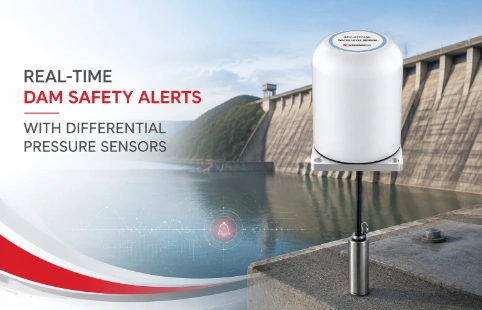
Real-Time Dam Safety Alerts with Differential Pressure Water Level Sensors
Key Takeaways An alert chain needs more than a sensor: define field in...

Reliable Formwork Axial Force Meter for Construction Monitoring
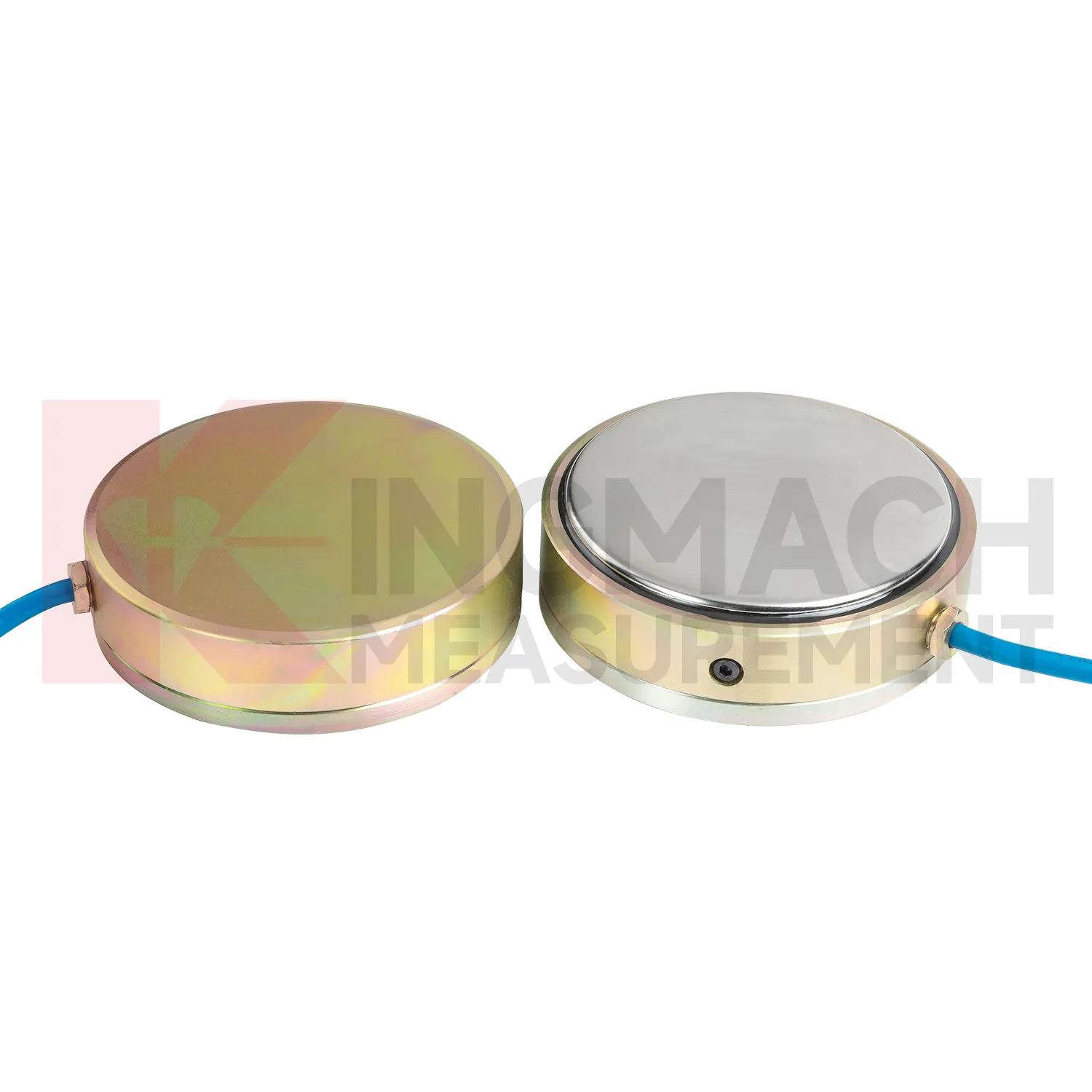
On a construction site, the difference between a safe pour and a collapse often lies in load distribution across formwork supports. When you're pouring concrete, the forces on props and shores aren't always what you calculated. A formwork axial force meter lets you see those loads in real time. Kingmach, a specialist in geotechnical instruments, offers meters that fit into your workflow without fuss. They measure axial forces directly, giving site teams the data they need to adjust bracing on the fly. Instead of waiting for the next inspection, you spot overloads as they develop. One project we know of used these meters to catch a 40% overload on a corner prop – that early warning saved days of rework. It's not just about sensors; it's about keeping your crew and structure safe.
Technical Detail
Kingmach's formwork axial force meter is built for the rough-and-tumble of construction sites. The sensing element uses strain gauge technology to deliver stable readings even when temperatures swing. It's compatible with common props and shores – you can mount it between the prop head and the slab formwork or integrate it into adjustable base jacks. The output is a millivolt signal that ties into most data loggers, so you can dial in the display unit you prefer. Calibration is straightforward: you apply a known force, record the output, and you're set. Kingmach offers a range of capacities, typically from 50 kN up to 500 kN, to match different slab depths and pour rates. The housing is sealed against dust and water – IP65 rating as standard. This keeps the internals safe when concrete splatter or rain is part of the day. If your project needs a custom configuration, the engineering team can adjust the mechanical interface or cable length. Getting the meter onto your site is simple, and once it's installed, it rarely needs attention. Data can feed into your site monitoring dashboard, giving the whole team a shared view of formwork stability. It's the kind of tool that, once you've used it, you wonder how you managed without.
News
Key Takeaways An alert chain needs more than a sensor: define field in...
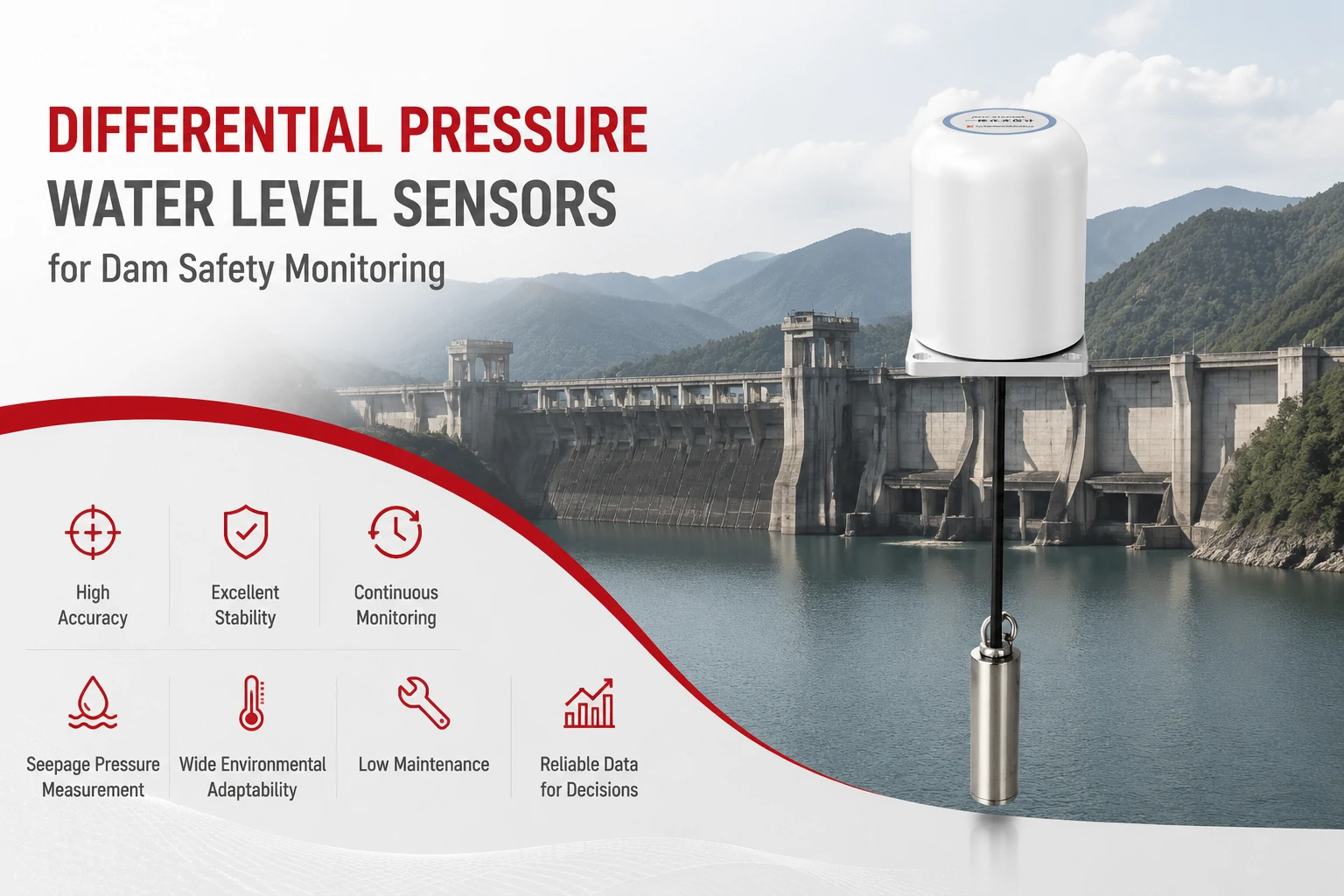
Key Takeaways The strongest fit is usually a confined, submerged, or s...
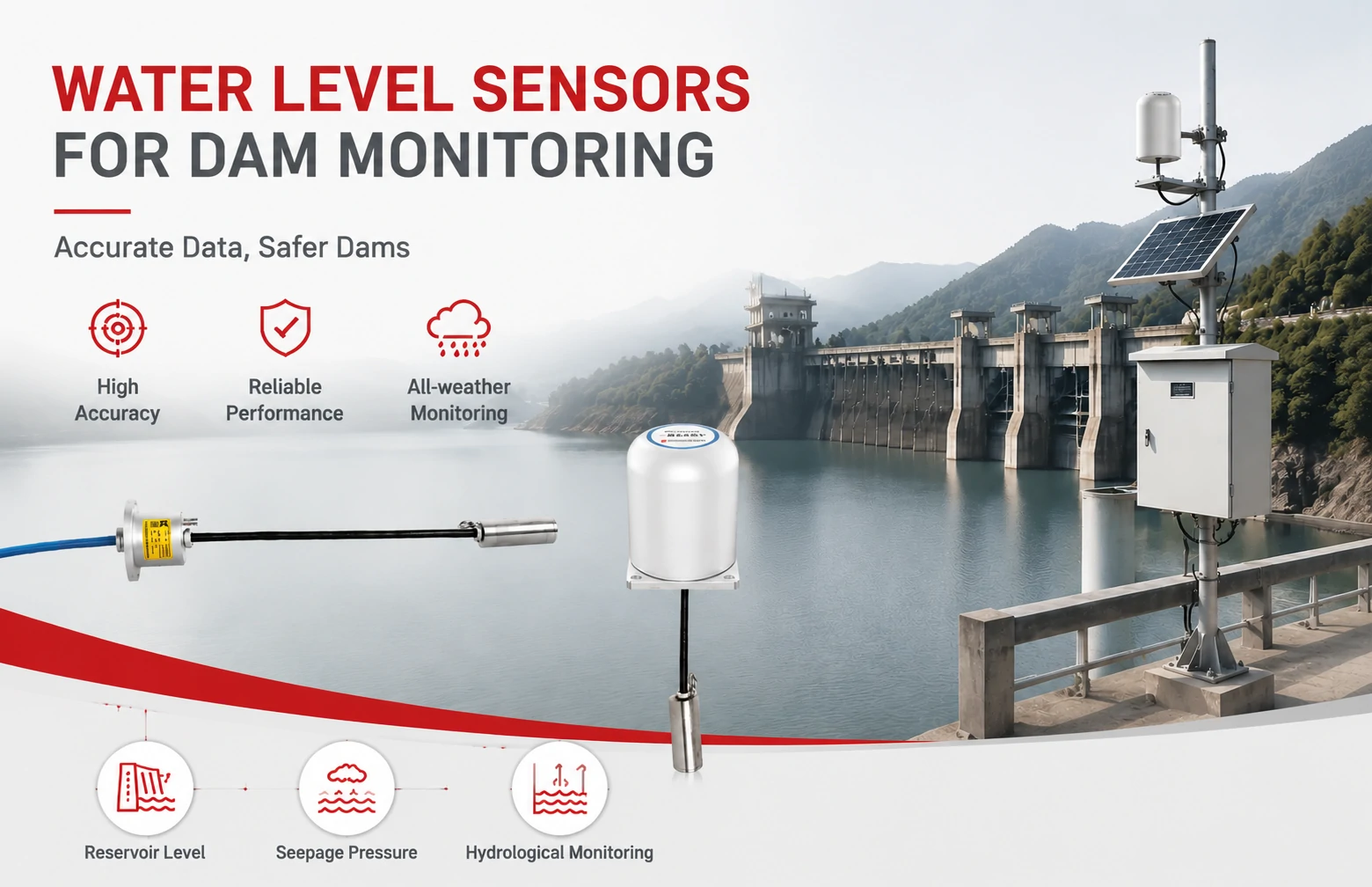
Kingmach Water Level Sensors for Dam Monitoring: A Buyer's Guide to Differential Pre...
Products
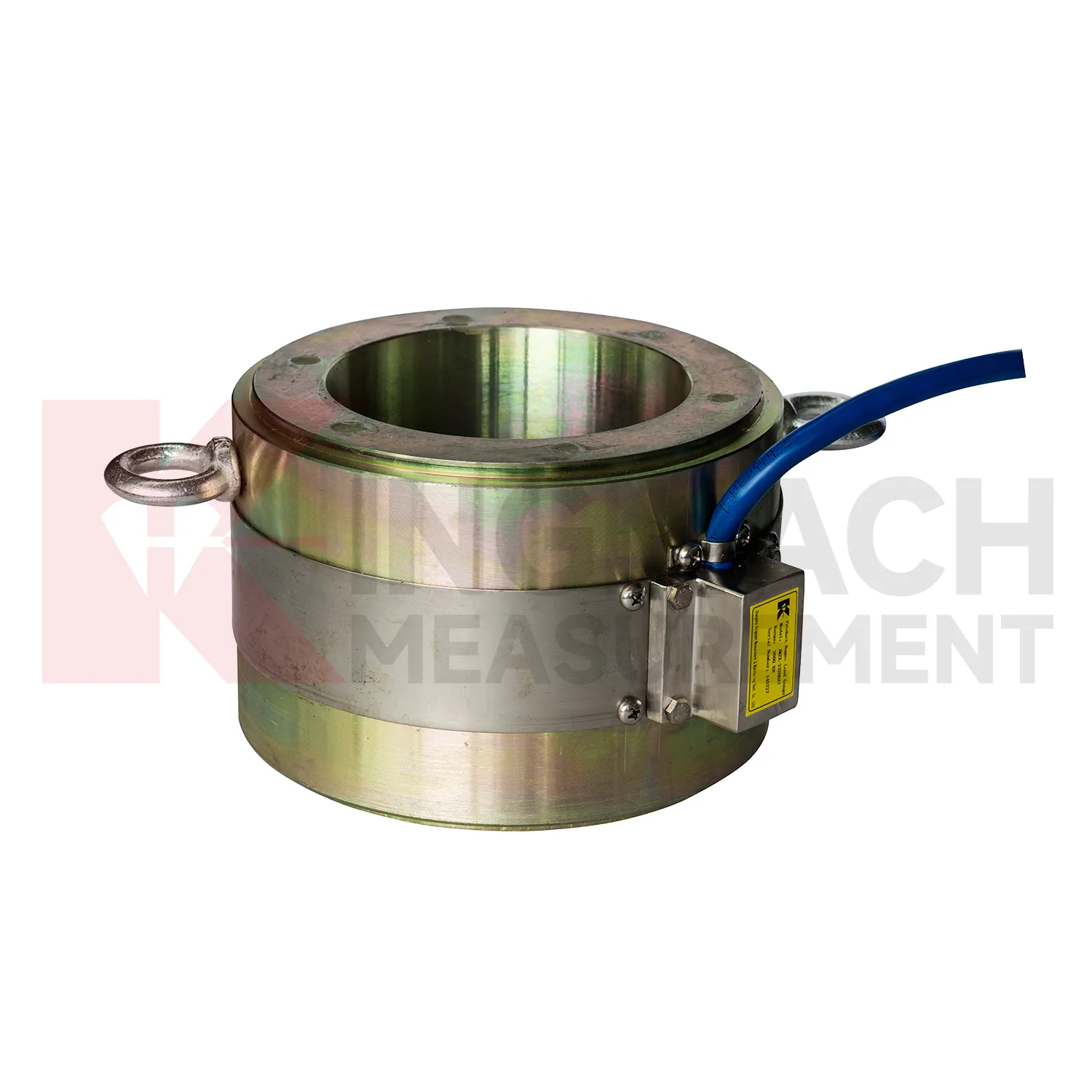
Large Earth Pressure Cell ( VW & Smart Type) JMZX-51XXAT/ ATM
View Details
Wide-Range Smart Differential Pressure Water Level Meter JMYC-67XXAD
View DetailsFAQ
It depends on your formwork design load and the props you're using. For typical residential slabs with lightweight props, a 100 kN meter is often sufficient. For heavy industrial floors or high-headroom pours, you might need 300 kN or more. Check the maximum expected load per prop and select a meter with at least 20% overhead. Kingmach can help size the meter if you share your formwork drawings.
Yes. The meter comes with flat loading surfaces that seat well against steel base plates or aluminum beam flanges. For adjustable props, you can place the meter between the prop head and the formwork panel. Just ensure the load is centered to avoid bending moments. Some contractors use a thin steel plate to distribute the load if the contact area is small.
Kingmach recommends annual calibration, or after any instance where the meter was overloaded beyond its rated capacity. If you're using it continuously on a long project, a mid-project check is a good idea. Calibration can be done with a compression testing machine or on-site with a reference load cell. The process is simple and won't take the meter out of your rotation for long.
The standard output is a millivolt-per-volt signal, typically 2 mV/V at full scale. You'll need a compatible readout unit or data logger that accepts strain gauge inputs. Many third-party dataloggers work, or Kingmach supplies a portable indicator with a digital display. For automated monitoring, you can connect multiple meters to a central logger and stream data wirelessly to a site office.
Share your product type, target capacity, and application requirements. Our team can review the details and recommend a practical next step.
If you are interested in our products or want to become our partner.
Please leave your contact information, our team will contact you as soon as possible.
Mail: [email protected]
Contact Us: +8613808434127
Address: No. 188 Tongzipo West Rd, Changsha, Hunan, China