
 EN
EN
 ar
ar bg
bg hr
hr cs
cs da
da nl
nl fi
fi fr
fr de
de el
el hi
hi it
it ko
ko no
no pl
pl pt
pt ro
ro ru
ru es
es sv
sv tl
tl iw
iw id
id lv
lv lt
lt sr
sr sk
sk sl
sl uk
uk vi
vi et
et hu
hu th
th tr
tr fa
fa ms
ms hy
hy ka
ka ur
ur bn
bn mn
mn ta
ta kk
kk uz
uz ku
ku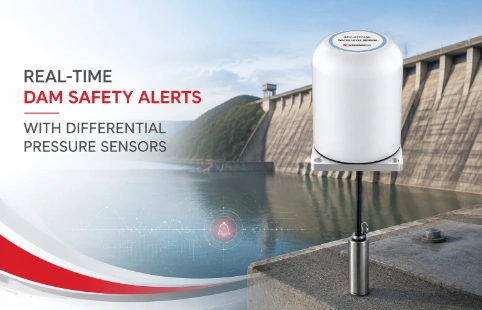
Real-Time Dam Safety Alerts with Differential Pressure Water Level Sensors
Key Takeaways An alert chain needs more than a sensor: define field in...

Signal Conditioning Module for Demanding Monitoring Systems
Sensor signals rarely fit straight into a data logger. Thermocouples produce tiny voltages; strain gauges need bridge excitation and amplification; long cables pick up noise that buries the measurement. A signal conditioning module does the messy work: filters out interference, amplifies the meaningful signal, and converts it to a clean output a control system can actually use. Kingmach builds these modules specifically for geotechnical and structural monitoring—where sensors sit in wet boreholes, hang from bridge piers, or embed in concrete. The designs emphasize electrical isolation, stable gain over temperature swings, and front-end protection that handles field wiring mistakes without shutting down the entire channel. Whether you are connecting vibrating wire piezometers or 4–20 mA transmitters, the module translates sensor language into data you can trust.
Technical Detail
Kingmach signal conditioning modules sit between field sensors and data acquisition hardware, handling the critical tasks of signal amplification, filtering, and isolation. Because geotechnical instruments span a wide range of output types—millivolt-level strain gauges, vibrating wire resonant signals, potentiometric displacement transducers—a one-size-fits-all approach does not work well. The modules accommodate multiple input configurations through plug-in front-end adapters, letting a single chassis manage mixed sensor arrays without external converters. Electrical isolation is standard: transformer or optical isolation per channel protects the backend system from ground loops and lightning-induced surges, which is essential when sensors are distributed across large structures or exposed outdoor sites. On the output side, the modules deliver conditioned voltage (typically ±10 V) or current loops (4–20 mA) compatible with most PLC, SCADA, and wireless node interfaces. Kingmach draws on decades of experience supplying monitoring systems for dams, tunnels, and deep excavations. This field knowledge shapes small but practical details—screw-terminal connectors that take solid or stranded wires without ferrules, LED indicators for each powered channel, and DIN-rail mounting that fits inside standard NEMA enclosures. For projects requiring non-standard filter roll-off, custom excitation voltages, or embedded linearization tables, the engineering team can modify firmware and hardware at the factory. Global clients often request units configured for specific sensor catalogs; these arrive pre-wired and tested, reducing commissioning time on site. After-sales support includes remote diagnostics via email and phone, plus replacement modules dispatched from regional hubs to minimize downtime during critical monitoring phases.
News
Key Takeaways An alert chain needs more than a sensor: define field in...
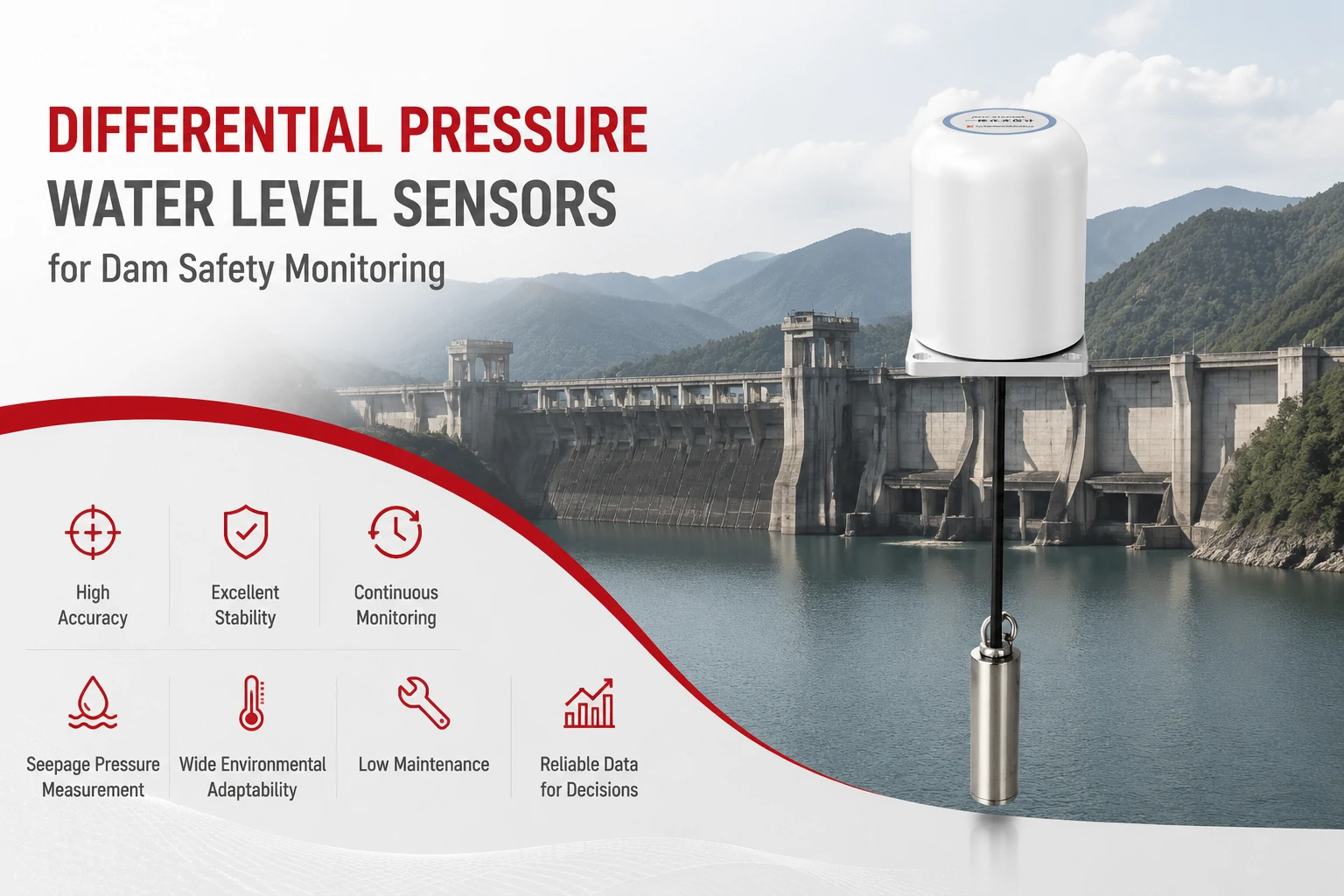
Key Takeaways The strongest fit is usually a confined, submerged, or s...
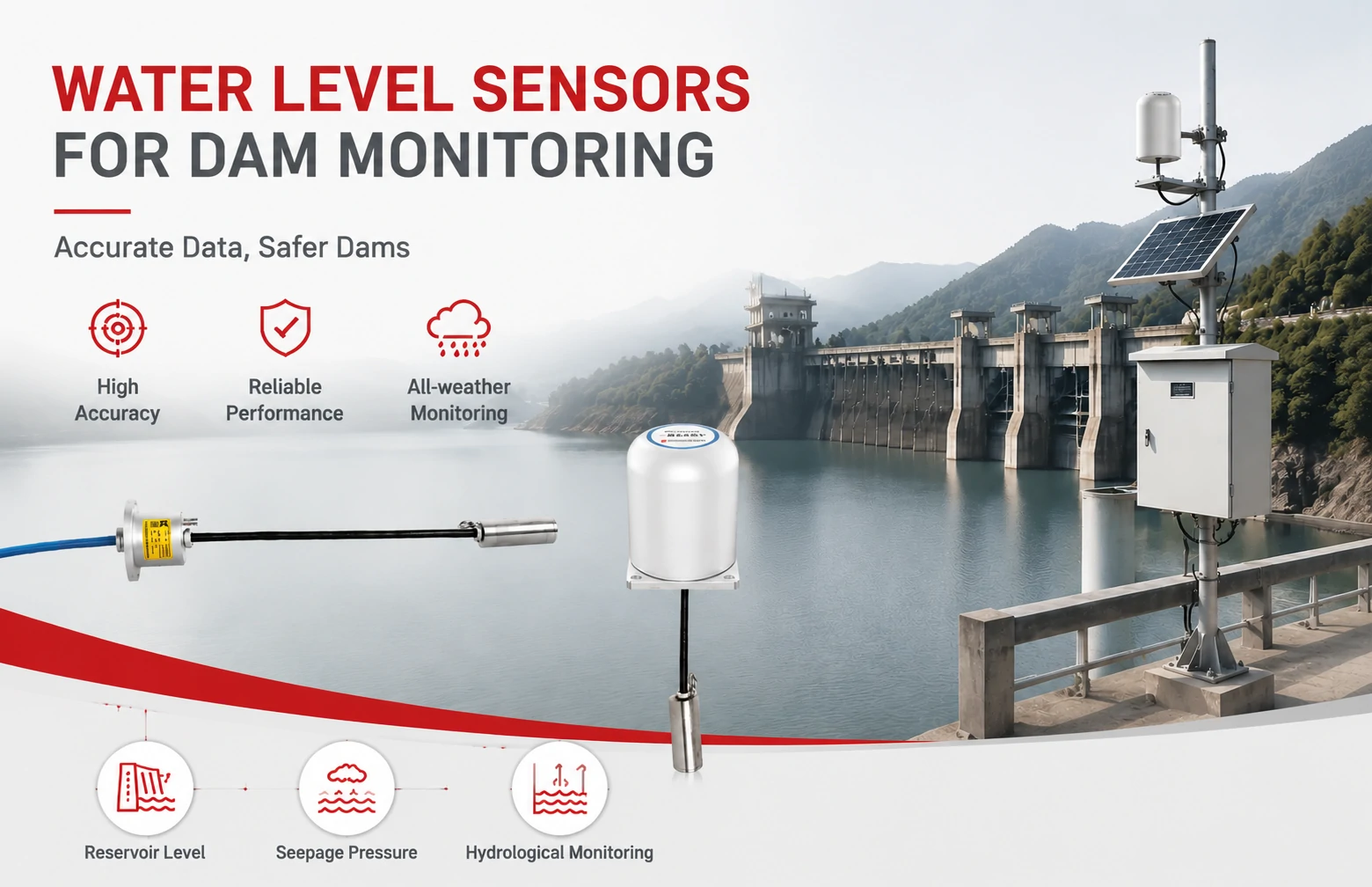
Kingmach Water Level Sensors for Dam Monitoring: A Buyer's Guide to Differential Pre...
Products
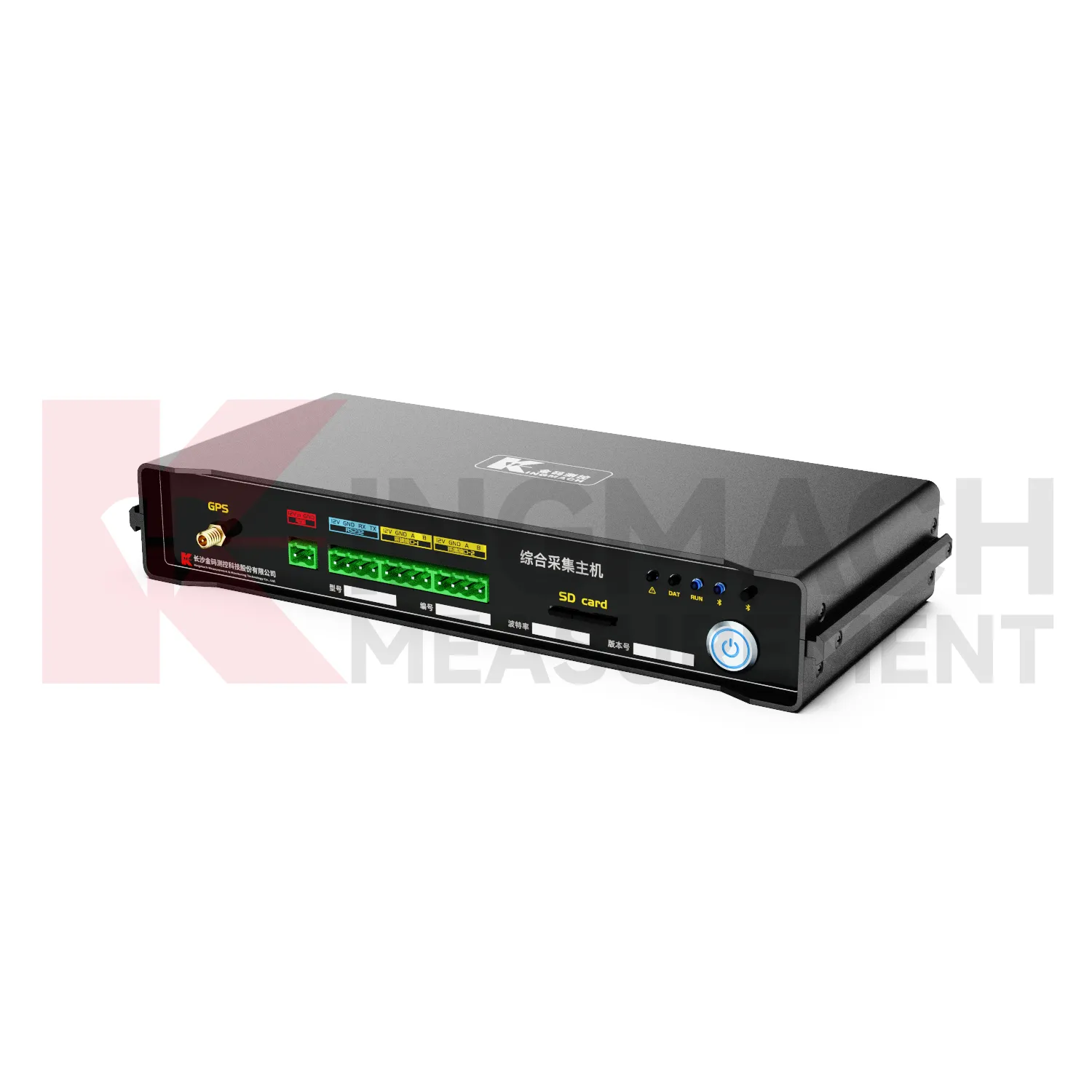
Comprehensive Acquisition Host Unit JMZX-5ZH
View Details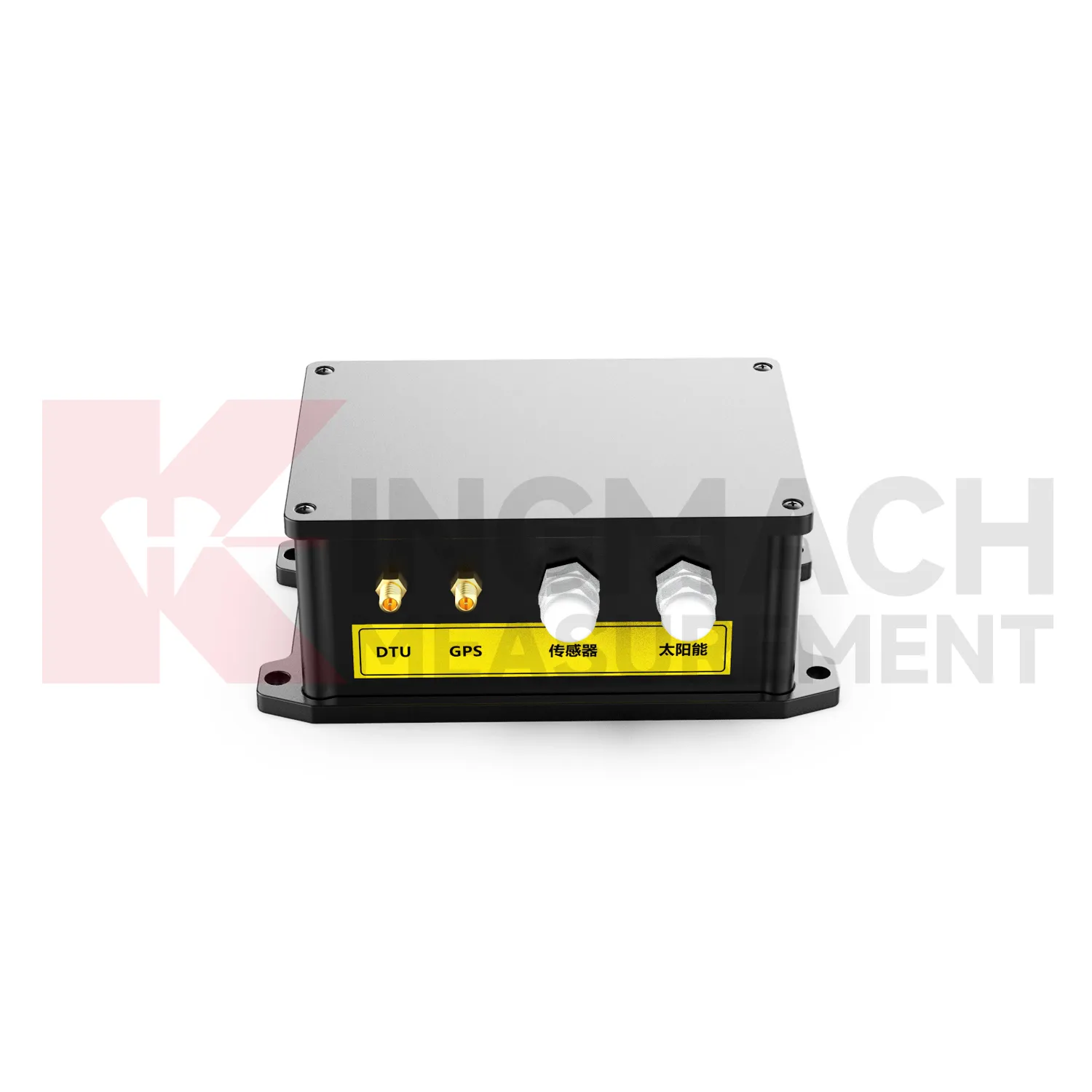
Wireless Data Logger (low power consumption design) JMWX-5RTU
View Details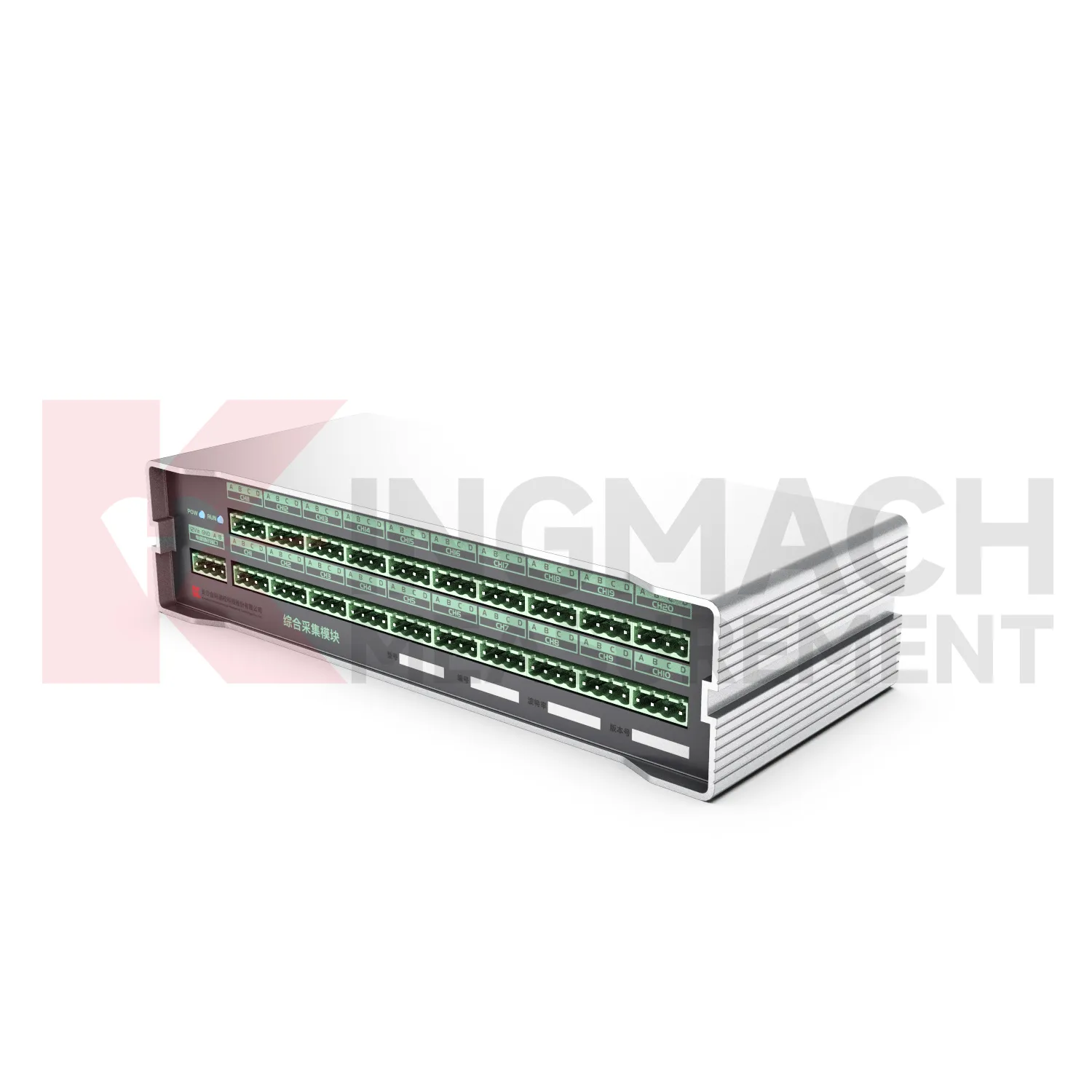
FAQ
Most loggers accept only a limited voltage or current range. Sensors such as thermocouples output microvolts, while LVDTs need AC excitation. A signal conditioning module bridges that gap: it excites the sensor, amplifies the signal, filters noise, and often provides isolation. Without it, you would need separate power supplies, amplifiers, and filters wired piecemeal—more complexity and more points of failure.
Yes. Many projects involve ten or twenty different sensor types. Kingmach typically collects the sensor datasheets during the order stage, then pre-sets gain, filtering, and excitation on the corresponding modules. The units arrive labeled per sensor, so the on-site team can wire them up without adjusting jumpers or running calibration routines.
In a large structure like a dam or railway viaduct, sensor cables run alongside power lines and lightning conductors. Without isolation, a surge picked up on one cable can travel through the signal common and damage multiple channels. Isolated modules contain such events to a single channel, and they break ground loops that would otherwise inject 50/60 Hz hum into readings. The result: fewer corrupted readings and less hardware to replace after a storm.
Share your product type, target capacity, and application requirements. Our team can review the details and recommend a practical next step.
If you are interested in our products or want to become our partner.
Please leave your contact information, our team will contact you as soon as possible.
Mail: [email protected]
Contact Us: +8613808434127
Address: No. 188 Tongzipo West Rd, Changsha, Hunan, China