
 EN
EN
 ar
ar bg
bg hr
hr cs
cs da
da nl
nl fi
fi fr
fr de
de el
el hi
hi it
it ko
ko no
no pl
pl pt
pt ro
ro ru
ru es
es sv
sv tl
tl iw
iw id
id lv
lv lt
lt sr
sr sk
sk sl
sl uk
uk vi
vi et
et hu
hu th
th tr
tr fa
fa ms
ms hy
hy ka
ka ur
ur bn
bn mn
mn ta
ta kk
kk uz
uz ku
ku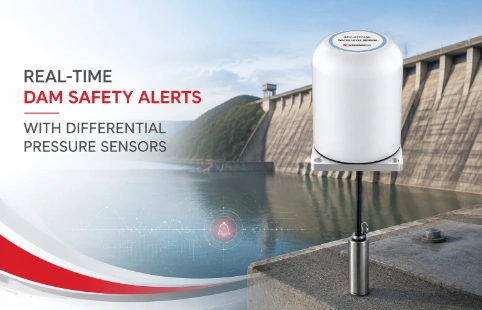
Real-Time Dam Safety Alerts with Differential Pressure Water Level Sensors
Key Takeaways An alert chain needs more than a sensor: define field in...

Smart Vibrating Wire Piezometers (VW) for Pore Pressure Monitoring
Pore water pressure data drives many geotechnical decisions, from dam safety assessments to slope stability analysis. Vibrating wire piezometers have long been the go-to instrument, but adding smart capabilities changes how field teams collect and trust that data. Kingmach’s smart vibrating wire piezometer (VW) range is built for engineers who need consistent readings without frequent recalibration or signal drift concerns. The integrated smart transmitter handles signal conditioning and temperature compensation directly at the sensor, so long cable runs don’t degrade accuracy. Whether you’re monitoring deep excavations, tailings dams, or dewatering systems, having a piezometer that outputs digital engineering units rather than raw frequency data saves time and reduces conversion errors on site.
Technical Detail
Kingmach Measurement & Monitoring Technology focuses on practical instrumentation for geotechnical and structural monitoring. The smart vibrating wire piezometer series reflects a middle ground between no-frills analog sensors and high-end fiber-optic systems—offering reliable performance without extreme cost. Each unit uses a vibrating wire sensing element combined with an onboard thermistor for temperature correction. The smart module outputs pressure and temperature directly in kPa and °C over RS-485 or 4-20 mA, which simplifies integration into existing data loggers and SCADA networks. One less obvious advantage is the reduced field wiring complexity. Because the digital signal is immune to electrical noise, you avoid the signal loss issues that sometimes plague frequency-based setups, especially in lightning-prone areas. In applications like embankment pore pressure monitoring or groundwater level observation, the piezometer’s stainless steel body holds up well against corrosive conditions. Kingmach offers diaphragm and filter stone options to suit different soil types—standard porous stone for cohesive soils, high-air-entry ceramic for faster response in low-permeability materials. Customization is available for cable lengths, housing materials, and pressure ranges, which helps when a standard off-the-shelf unit doesn’t quite fit the borehole or grouting method you’re planning. Technical support and after-sales service come from a team familiar with field deployment, not just lab testing, so practical questions about installation or data interpretation tend to get answered without a long back-and-forth.
News
Key Takeaways An alert chain needs more than a sensor: define field in...
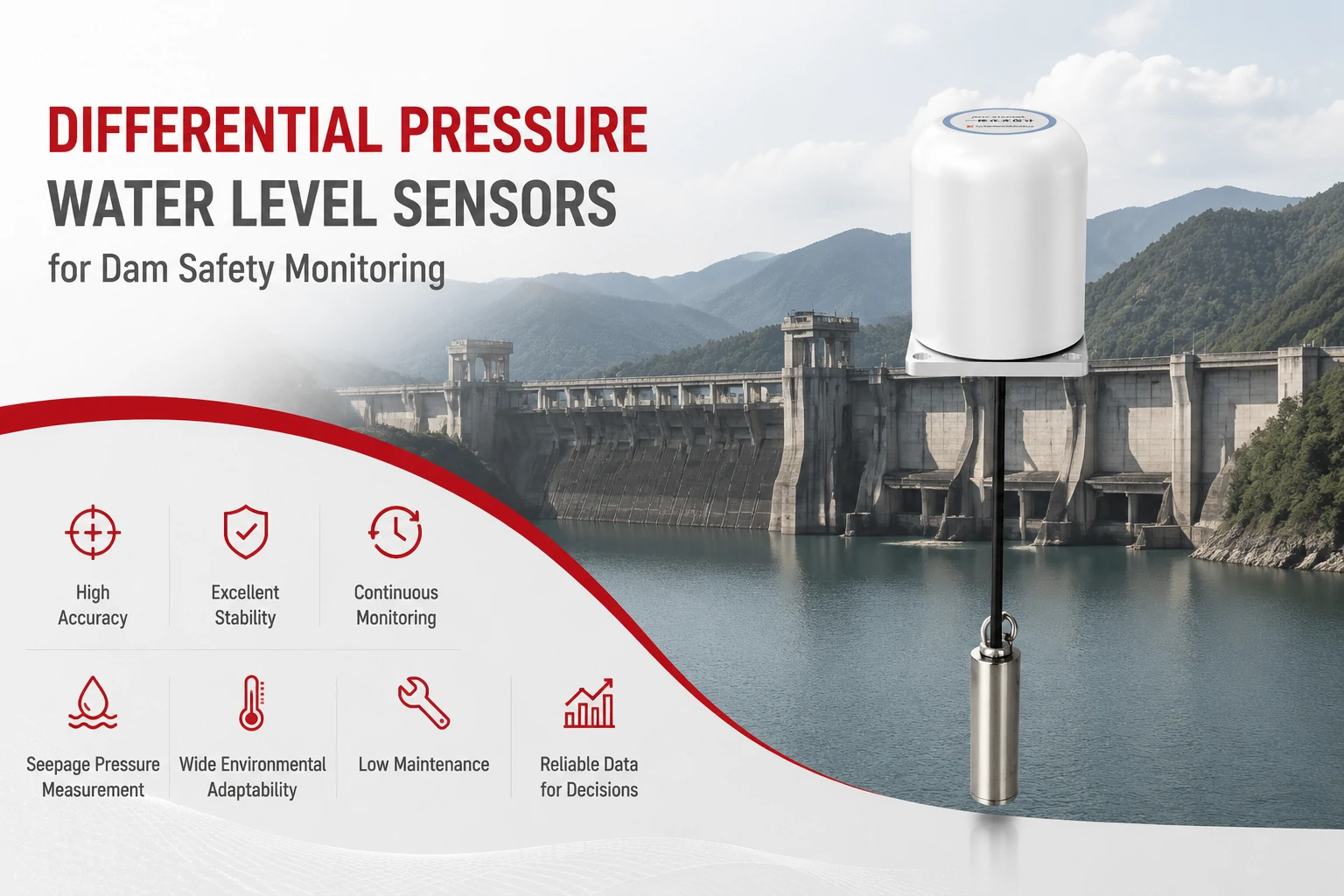
Key Takeaways The strongest fit is usually a confined, submerged, or s...
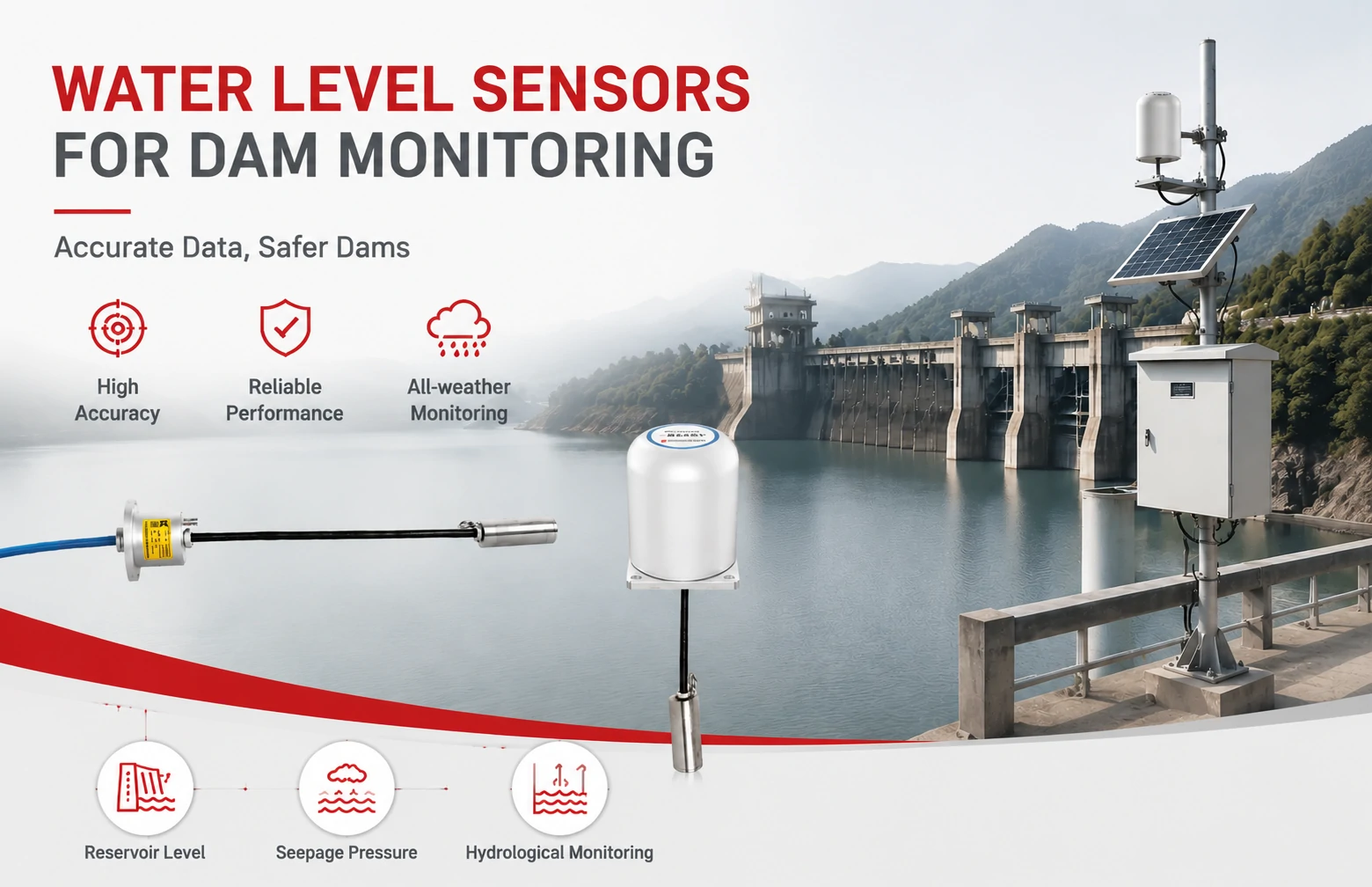
Kingmach Water Level Sensors for Dam Monitoring: A Buyer's Guide to Differential Pre...
Products
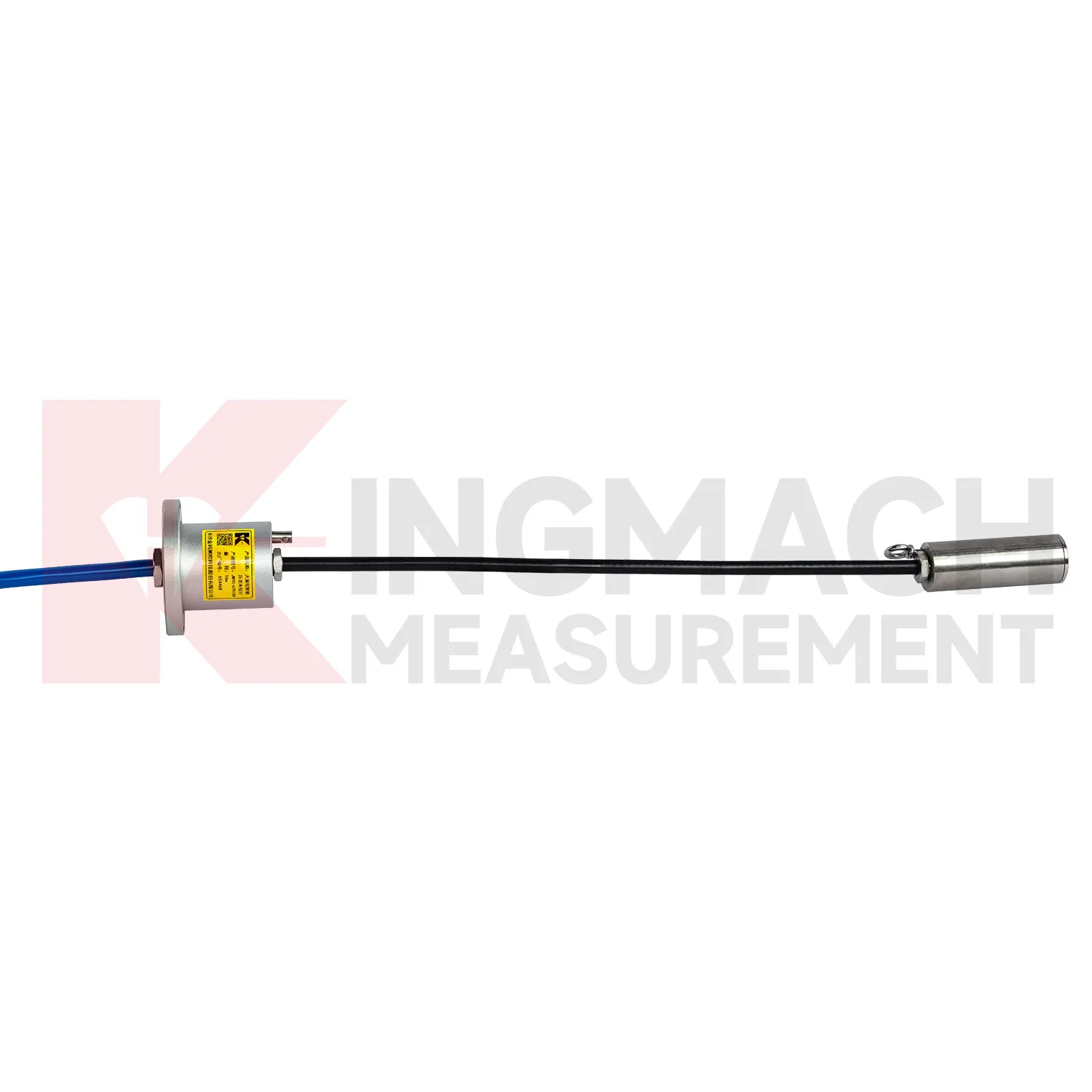
Wide-Range Smart Differential Pressure Water Level Meter JMYC-67XXAD
View Details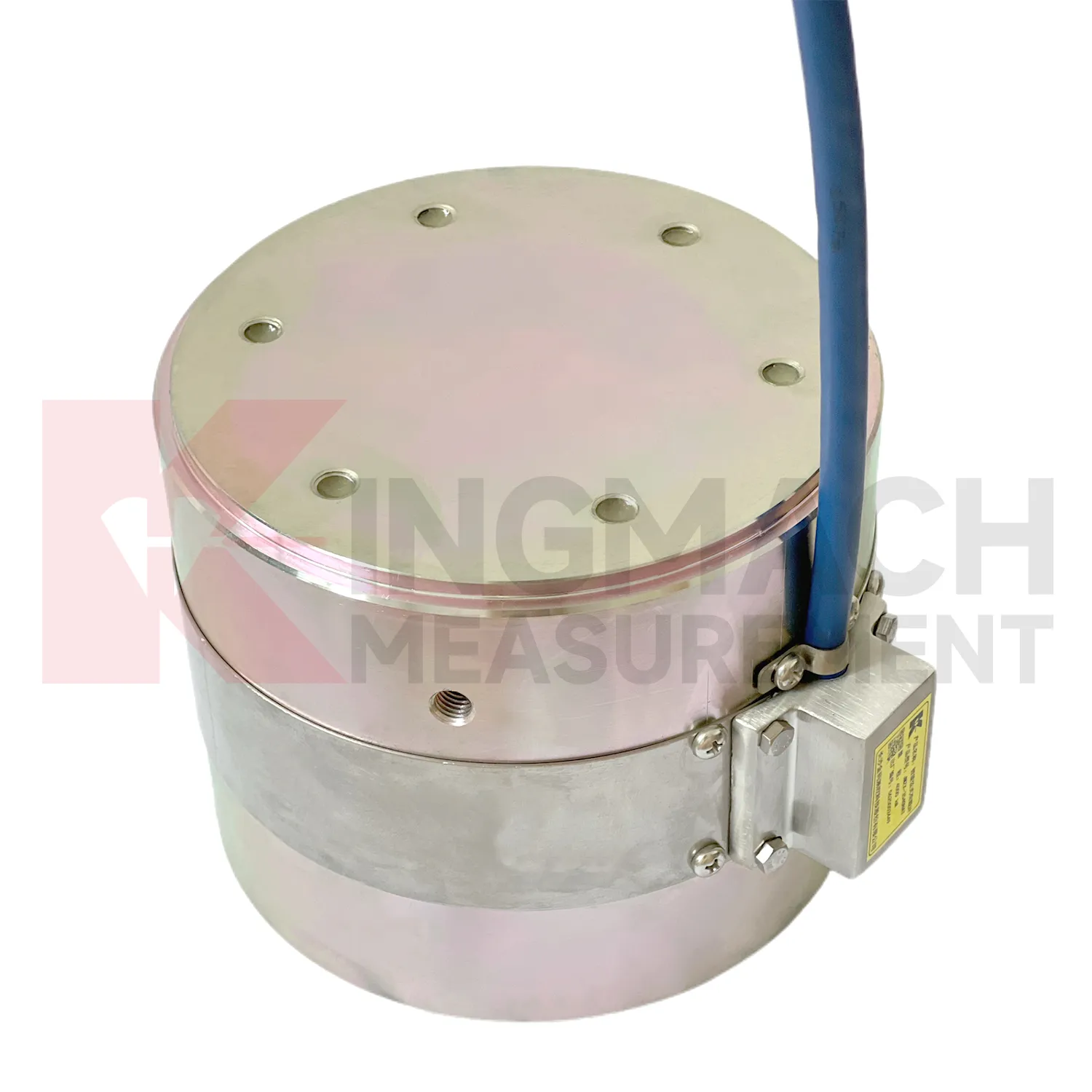
Solid load cell JMZX-34XXHAT、35XXHAT、36XXHAT
View Details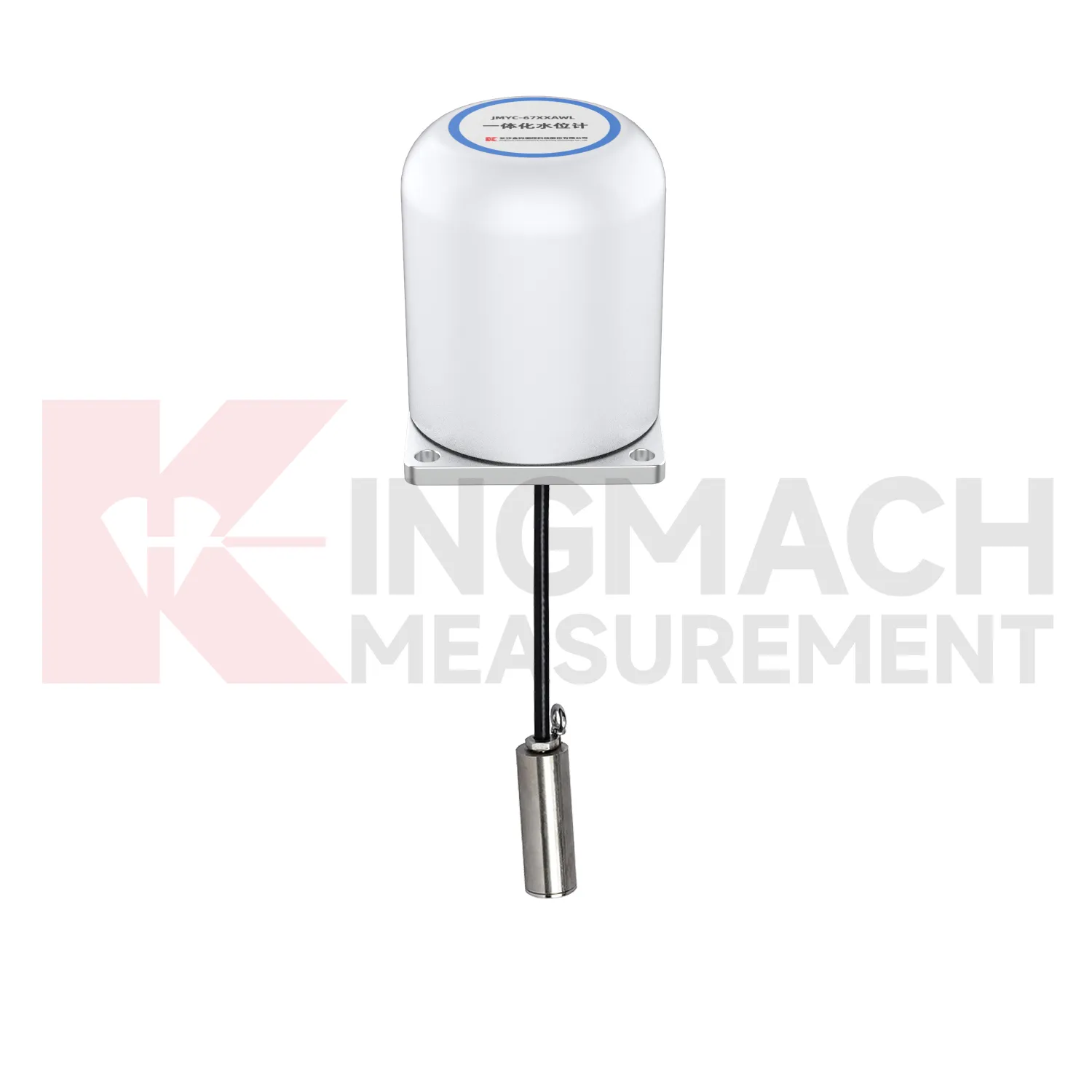
Integrated Wide-Range Differential Pressure Water Level Meter JMYC-67XXAWL
View DetailsFAQ
It uses a tensioned steel wire inside the sensor. When water pressure deflects a diaphragm, the wire tension changes, shifting its resonant frequency. The smart transmitter converts this frequency into a pressure reading using calibration coefficients stored in the sensor.
A smart piezometer includes onboard signal processing. Instead of outputting a raw frequency that you need to convert manually, it sends corrected pressure and temperature data directly in engineering units. It also handles temperature compensation and often supports digital communication protocols like RS-485, which reduces signal loss over long cables.
Yes, they are designed for submerged or buried installations. The stainless steel body and sealed cable entry provide water tightness. For long-term submersion, we recommend specifying a cable with a molded jacket and a vent tube if absolute pressure readings need atmospheric reference.
Kingmach offers customization for most project requirements. You can specify a pressure range (e.g., 350 kPa, 700 kPa, 1 MPa) during ordering, and cable lengths can be cut to order. Other options include different filter stone types, protection cages, and multi-point strings for single-borehole installations.
The standard method involves placing a sand pocket around the sensor tip and sealing it with bentonite pellets above and below to isolate the zone of interest. For standpipe applications, the piezometer can be lowered into a perforated casing. The smart output simplifies hooking up to an automatic data logger or a portable readout unit on site.
Share your product type, target capacity, and application requirements. Our team can review the details and recommend a practical next step.
If you are interested in our products or want to become our partner.
Please leave your contact information, our team will contact you as soon as possible.
Mail: [email protected]
Contact Us: +8613808434127
Address: No. 188 Tongzipo West Rd, Changsha, Hunan, China