
 EN
EN
 ar
ar bg
bg hr
hr cs
cs da
da nl
nl fi
fi fr
fr de
de el
el hi
hi it
it ko
ko no
no pl
pl pt
pt ro
ro ru
ru es
es sv
sv tl
tl iw
iw id
id lv
lv lt
lt sr
sr sk
sk sl
sl uk
uk vi
vi et
et hu
hu th
th tr
tr fa
fa ms
ms hy
hy ka
ka ur
ur bn
bn mn
mn ta
ta kk
kk uz
uz ku
ku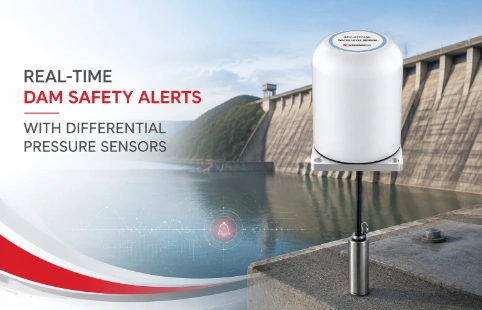
Real-Time Dam Safety Alerts with Differential Pressure Water Level Sensors
Key Takeaways An alert chain needs more than a sensor: define field in...

Accelerometers for Reliable Field Monitoring
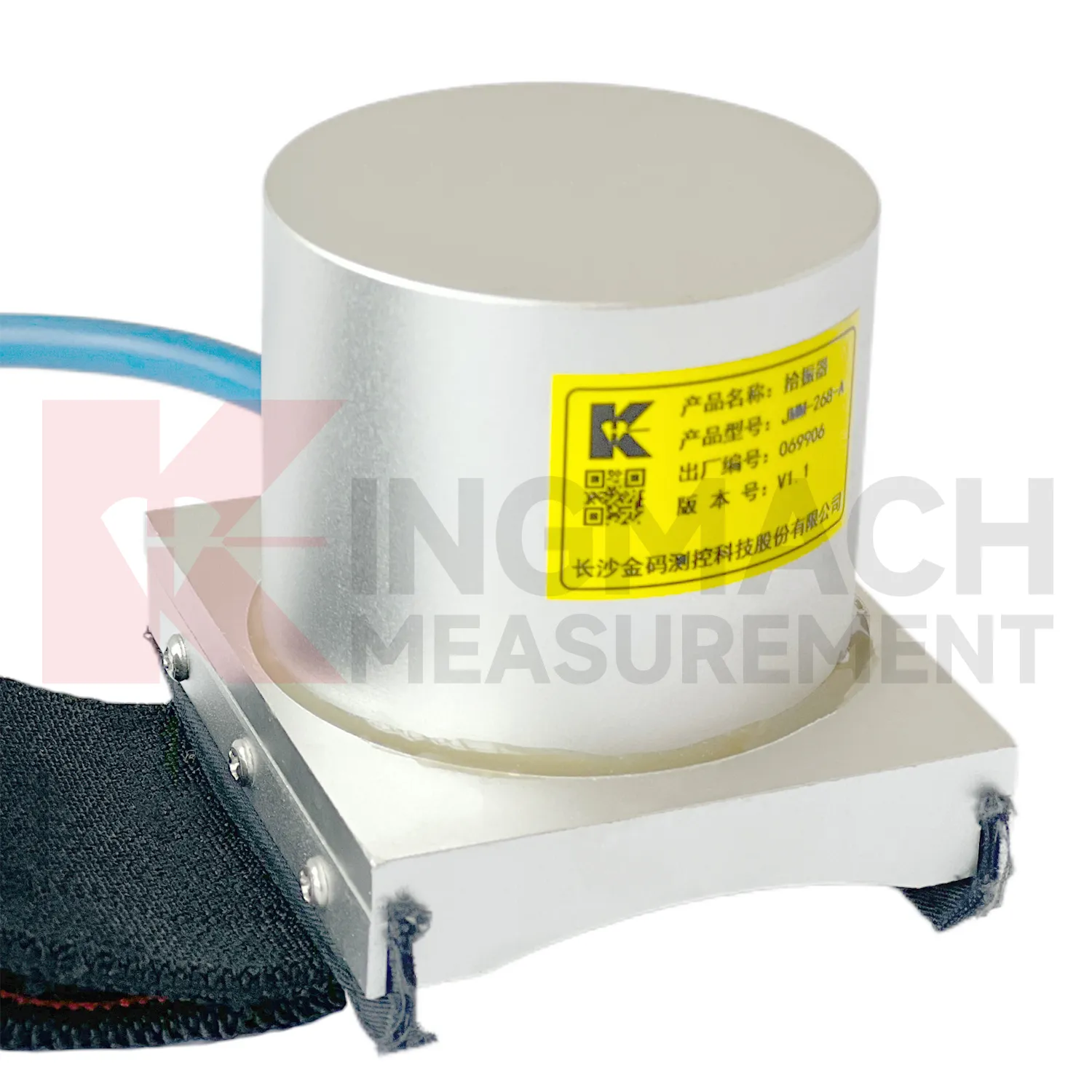
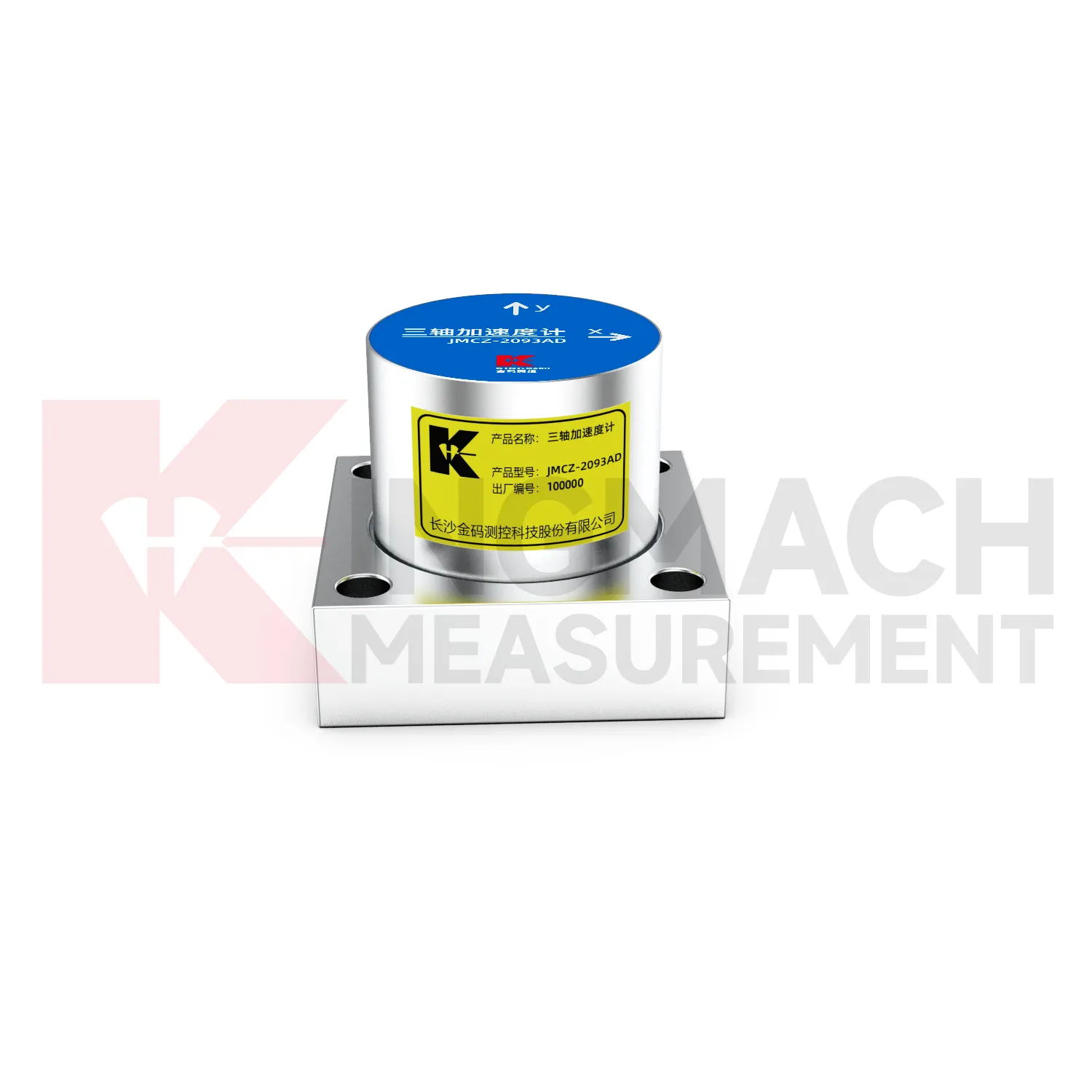
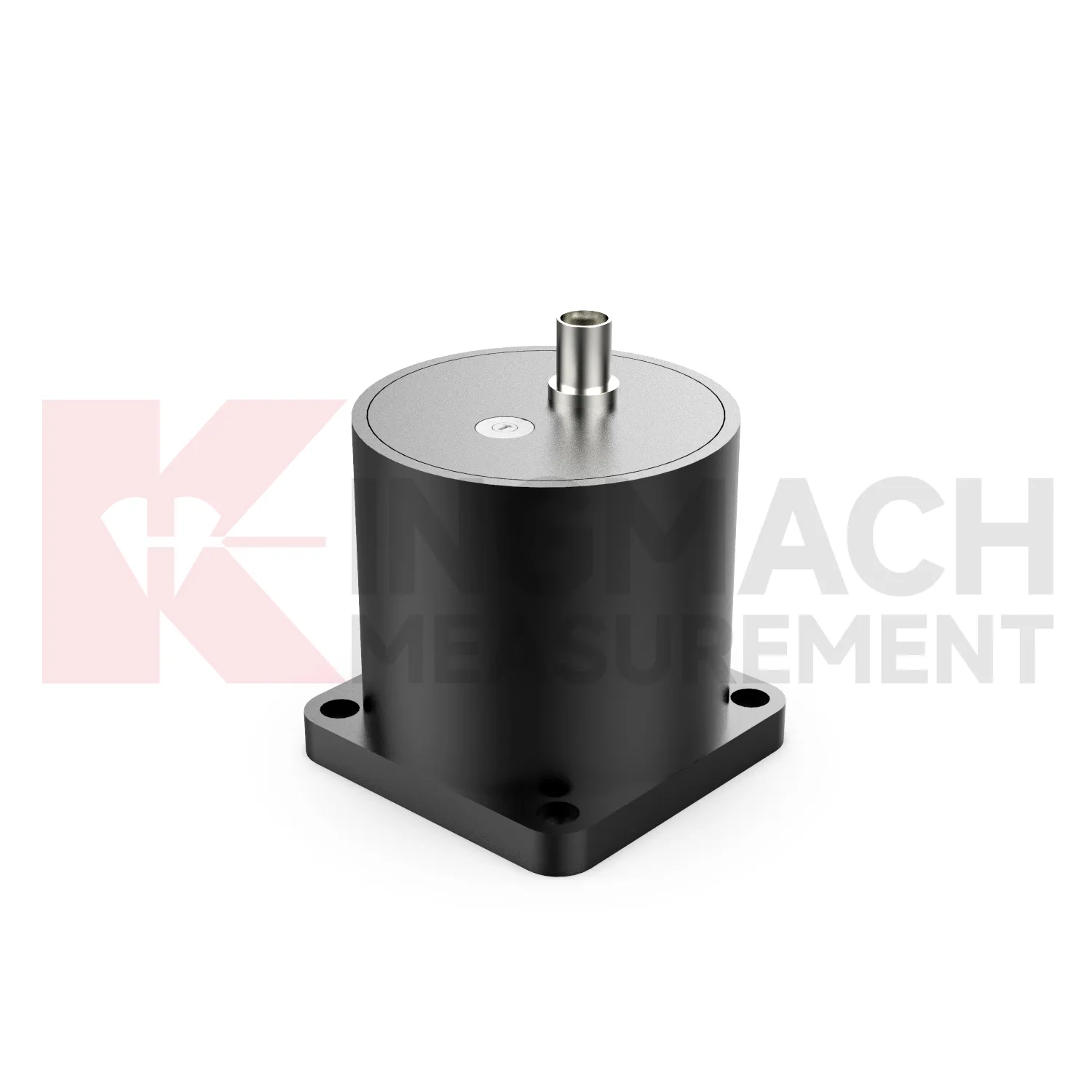
Most accelerometers fail the moment a project moves from the lab to a muddy construction site. At Kingmach, we built ours differently—not by chasing the lowest noise floor, but by making sure the sensor actually survives the first rainfall, cable tug, or accidental bump that real fieldwork throws at it. As a manufacturer specializing in geotechnical instruments, we’ve learned that a clean datasheet means little if the device can’t hold zero after a week on a vibrating dam. Our accelerometers are sealed against moisture, shielded from EMI, and available in ranges from micro-g for seismic arrays to hundreds of g for pile driving. Every unit is temperature compensated and delivered with a calibration sheet—not just a typical one, but one that reflects the actual response of your specific sensor. Custom cable lengths, mounting studs, and connector types are standard options, not expensive add-ons. Whether you’re monitoring a historic cathedral or a high-speed rail tunnel, we’ll help you pick the right model without the upsell.
Technical Detail
Kingmach accelerometers cover the middle ground between disposable MEMS boards and aerospace-grade force-balance instruments—built for engineers who need repeatable data but also have a budget to respect. Our IEPE voltage-output designs simplify wiring into most data loggers, and the hermetically sealed stainless-steel housing keeps internal electronics dry even in 100% humidity boreholes. Typical applications include structural health monitoring of bridges, tunnel convergence studies, blast vibration compliance, and earthquake early-warning networks. Because we manufacture in-house, we can adjust the low-frequency roll-off or extend the upper bandwidth for specific projects without retooling delays. The sensing element is mechanically isolated from base strain, so mounting on curved or uneven surfaces doesn’t throw off the offset. We offer single-axis and triaxial configurations, with optional titanium housings for weight-sensitive installations. Each accelerometer is serialized, and its test data is archived for future reference—useful when comparing long-term drift or when a sensor gets swapped out mid-project. For larger deployments, we can pre-wire junction boxes or bundling with our other instruments like tiltmeters and piezometers to simplify field setup.
News
Key Takeaways An alert chain needs more than a sensor: define field in...
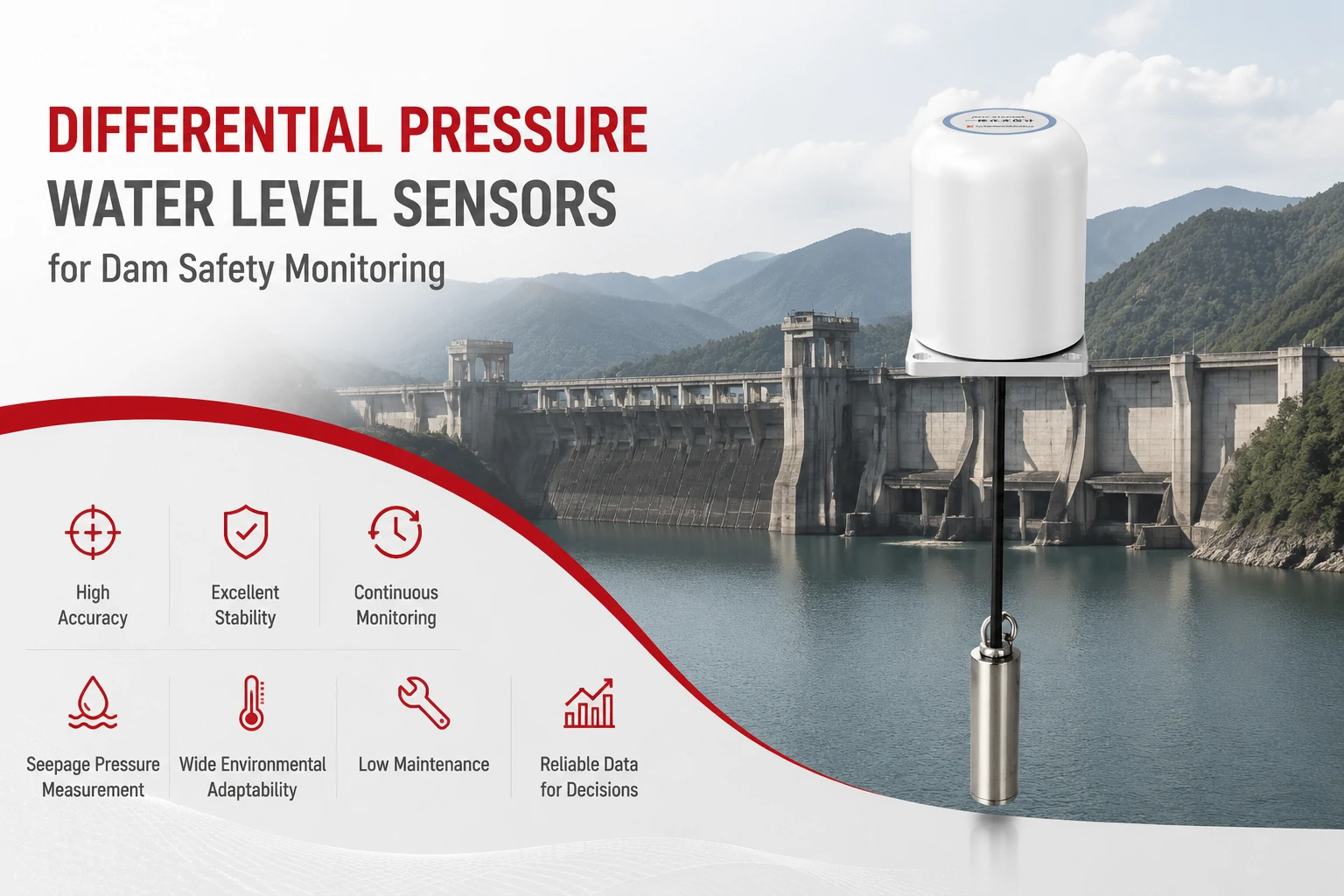
Key Takeaways The strongest fit is usually a confined, submerged, or s...
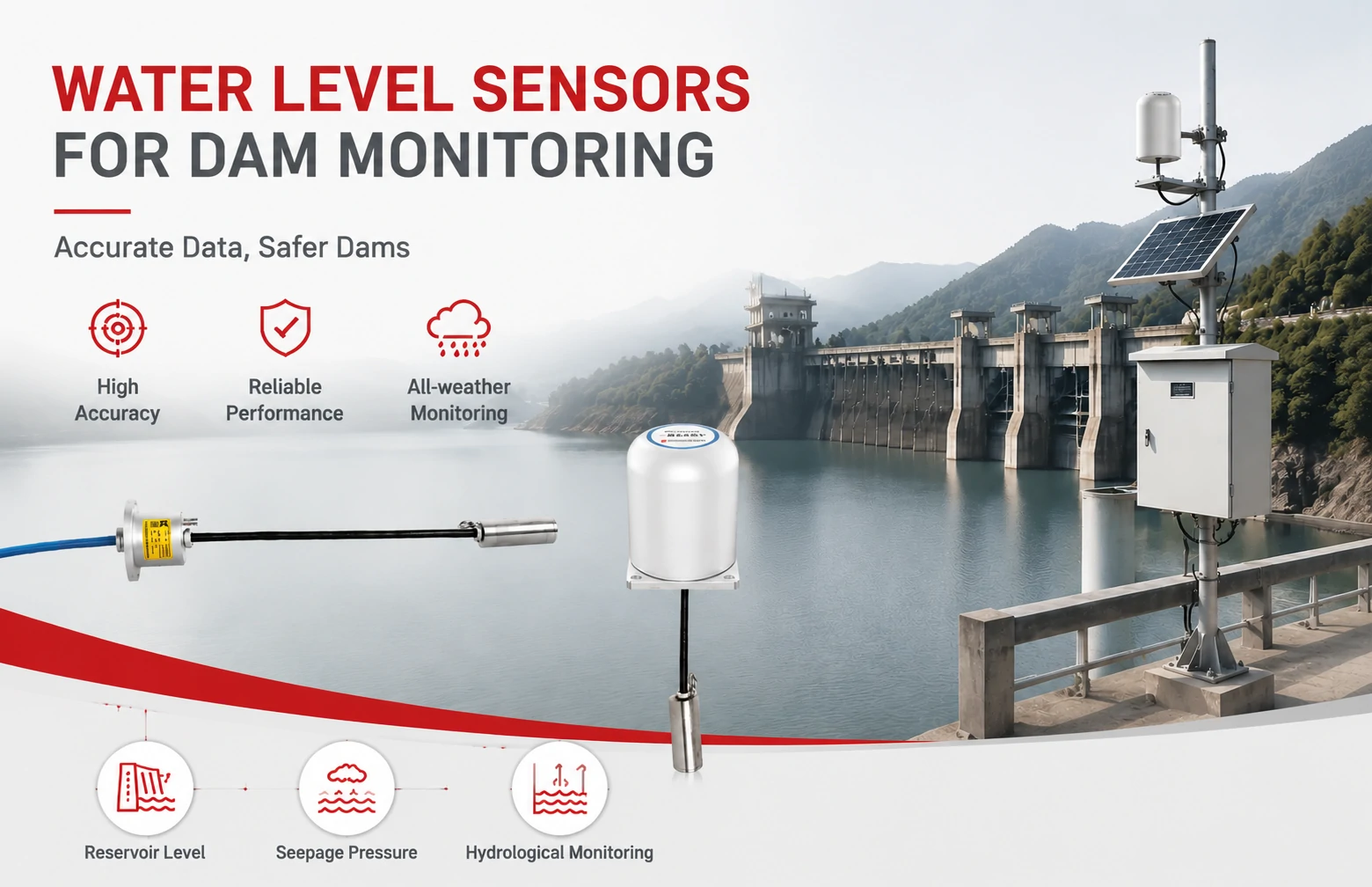
Kingmach Water Level Sensors for Dam Monitoring: A Buyer's Guide to Differential Pre...
Products
FAQ
MEMS sensors can go down to DC and are often cheaper, but they tend to be noisier at low frequencies and more sensitive to temperature swings. Piezoelectric units, like the ones we build, have no moving parts to wear out, better resolution above 0.1 Hz, and survive higher shock loads. For vibration monitoring on bridges or buildings, piezoelectric usually gives more dependable long-term trends.
Yes. Many of our sensors are already used in boreholes and near water. We can terminate with underwater connectors, or build the entire housing to IP68 rating with a continuous cable gland. Just tell us the expected submersion depth and duration when you inquire.
It depends on how small and how strong the vibrations are. For ambient vibration on a tall building, a 1 V/g or 10 V/g sensor with a range of ±0.5 g might be enough. For blasting near a pipeline, you’ll want something that can handle 50 g or more without clipping. If you’re not sure, we can look at your project’s expected acceleration levels—based on similar studies—and suggest a starting point.
We can, though that’s not our main focus. Our specialty is long-term monitoring rather than active-source geophysics. That said, we have built custom arrays with 24+ channels for refraction and downhole work. Contact us with the channel count and spacing you need, and we’ll let you know if it’s within our scope.
Share your product type, target capacity, and application requirements. Our team can review the details and recommend a practical next step.
If you are interested in our products or want to become our partner.
Please leave your contact information, our team will contact you as soon as possible.
Mail: [email protected]
Contact Us: +8613808434127
Address: No. 188 Tongzipo West Rd, Changsha, Hunan, China