
 EN
EN
 ar
ar bg
bg hr
hr cs
cs da
da nl
nl fi
fi fr
fr de
de el
el hi
hi it
it ko
ko no
no pl
pl pt
pt ro
ro ru
ru es
es sv
sv tl
tl iw
iw id
id lv
lv lt
lt sr
sr sk
sk sl
sl uk
uk vi
vi et
et hu
hu th
th tr
tr fa
fa ms
ms hy
hy ka
ka ur
ur bn
bn mn
mn ta
ta kk
kk uz
uz ku
ku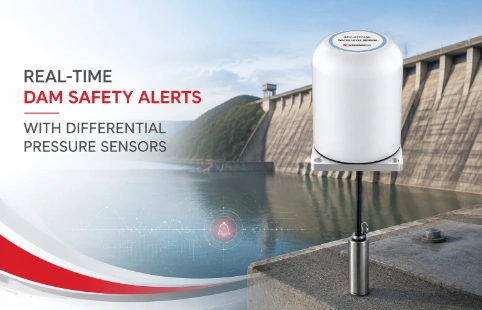
Real-Time Dam Safety Alerts with Differential Pressure Water Level Sensors
Key Takeaways An alert chain needs more than a sensor: define field in...

Compression Load Cells That Work in Harsh Ground Conditions
When a tunnel lining needs monitoring or a pile load test demands reliable force data, the sensor often ends up buried in concrete, exposed to moisture, and forgotten. Kingmach’s compression load cells are designed for that kind of life. We build them for geotechnical and structural applications where accuracy still matters after years in the ground. No glossy datasheet claims—just stainless steel bodies, welded seals, and a track record from monitoring projects in dozens of countries.
Technical Detail
Kingmach focuses on manufacturing geotechnical instruments, and our compression load cells reflect that. The cells come in low-profile canister and column styles, with capacities typically ranging from a few hundred kilonewtons up to several meganewtons. We use heat-treated stainless steel for the sensing element, and the whole assembly is usually sealed to IP68, so even temporary flooding won’t knock out a reading. For projects that need a non-standard cable length or a specific connector, we handle that in-house. Every cell goes through a deadweight calibration before shipping, with a traceable certificate included. Temperature compensation is done for the range you actually expect on site—not just a lab curve. In terms of outputs, we offer both mV/V and 4–20 mA versions, plus RS485 if you’re wiring into an automated system. Our support team can help you pick the right mounting hardware, too, because a misaligned load cell in a strut can ruin a whole data set. Over the years, these sensors have been used in bridge bearing monitoring, tieback anchor testing, and deep excavation bracing. They’re not the cheapest option on a list, but replacing a failed sensor mid-project costs a lot more than the upfront hardware.
News
Key Takeaways An alert chain needs more than a sensor: define field in...
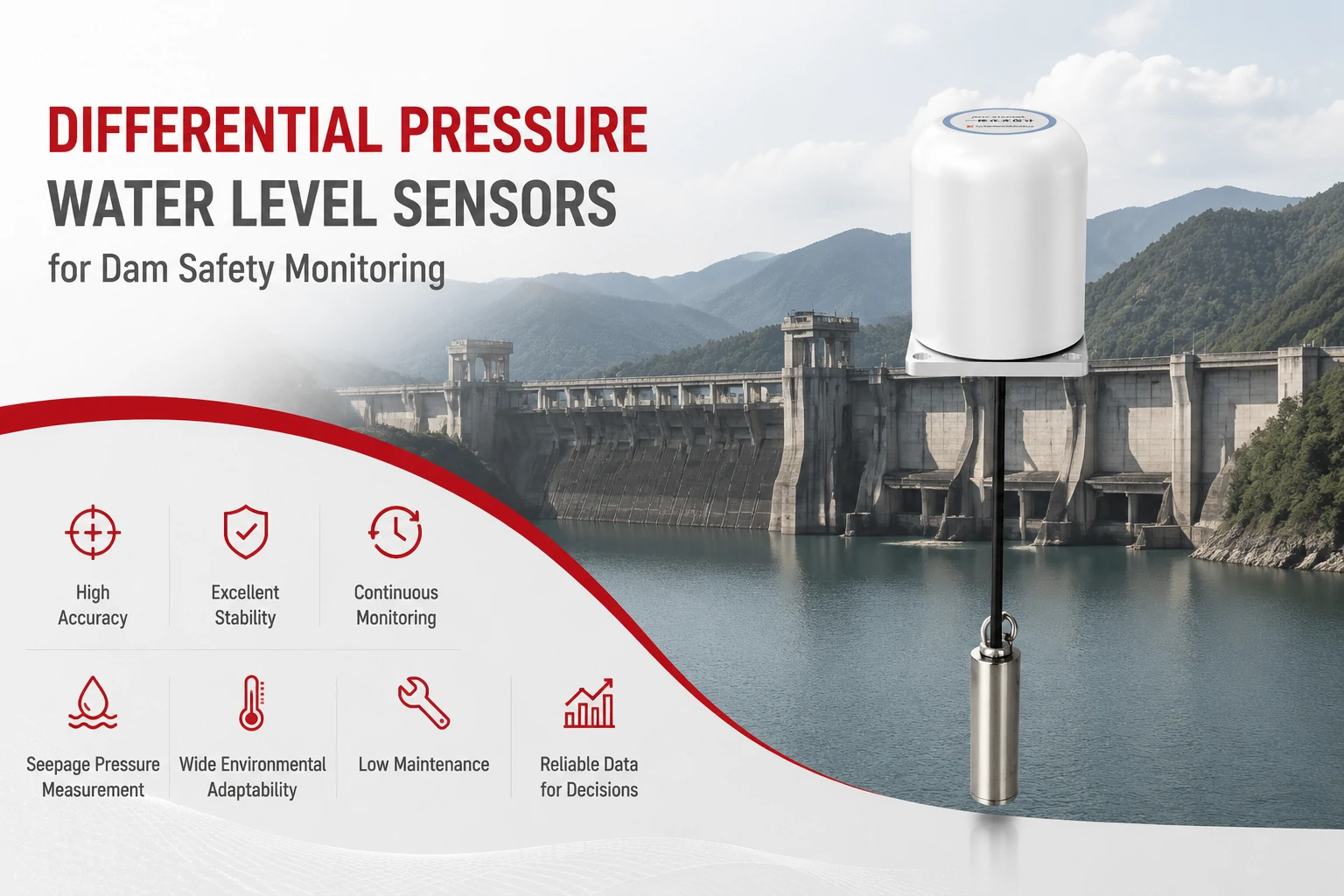
Key Takeaways The strongest fit is usually a confined, submerged, or s...
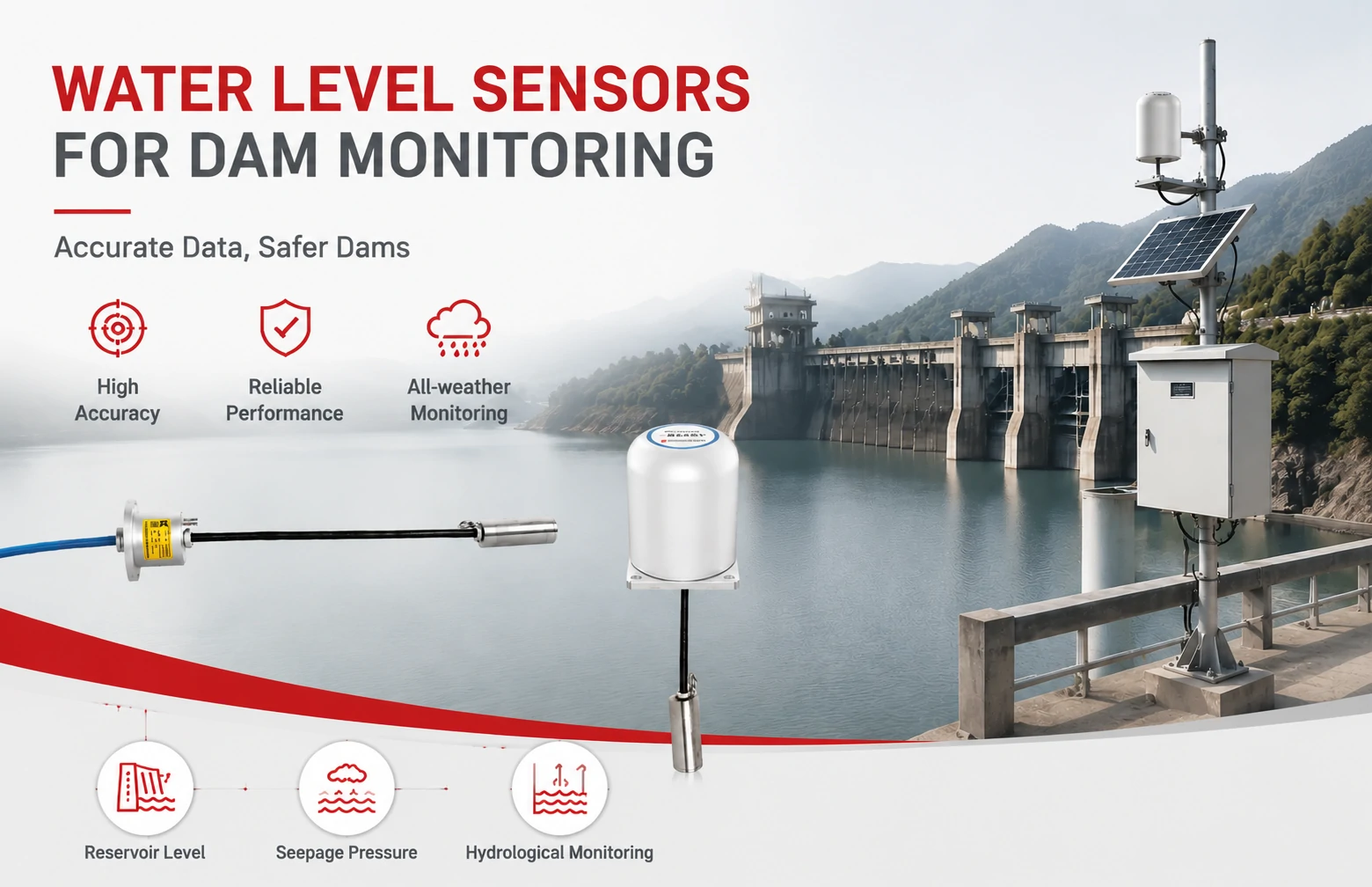
Kingmach Water Level Sensors for Dam Monitoring: A Buyer's Guide to Differential Pre...
Products
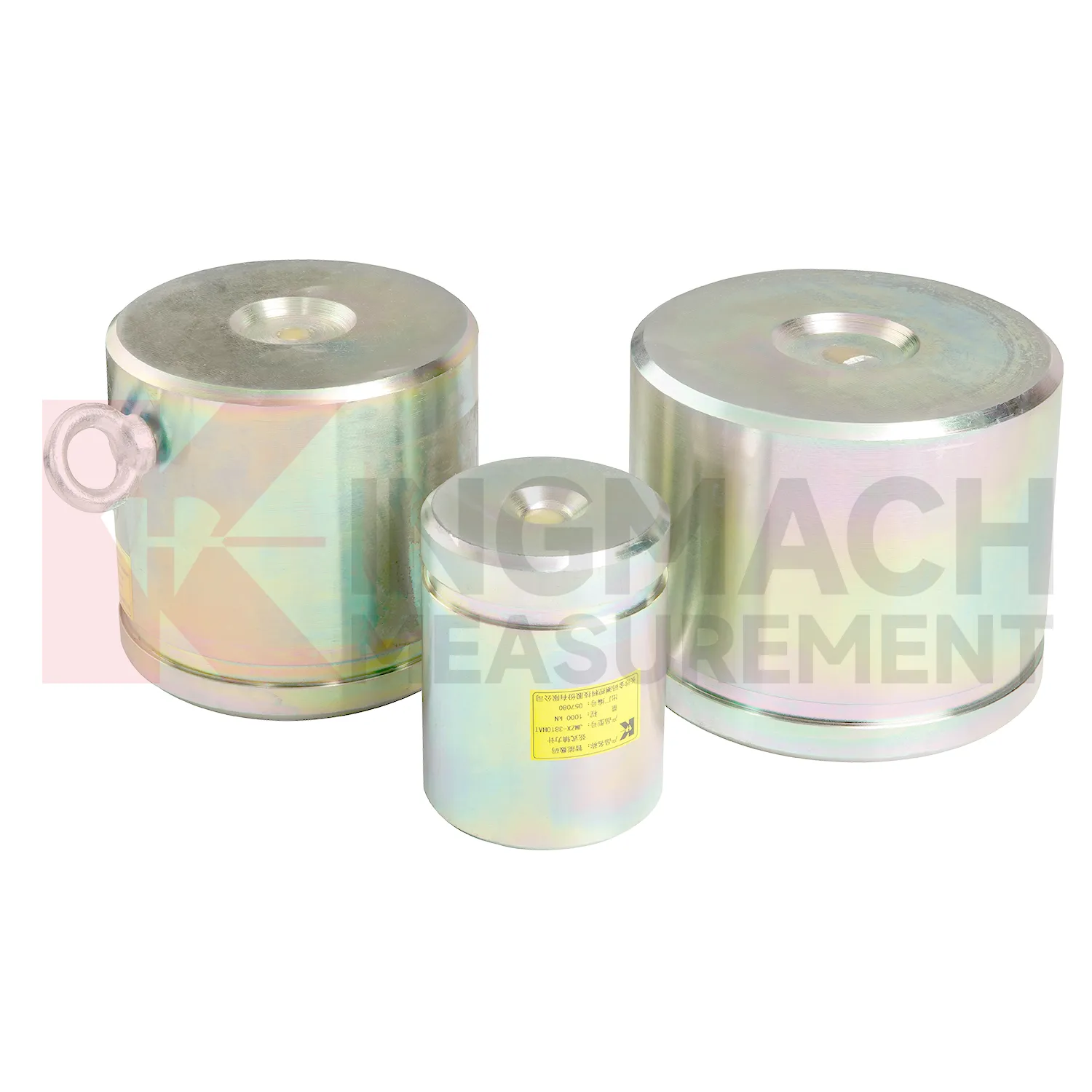
Axial Force Load Meter ( VW & Smart Type)JMZX-38XXHAT
View Details
Smart Vibrating Wire PiezometerSmart Piezometers (VW) JMZX-55XXHAT
View Details
Smart Formwork Axial Force Meter(VW)JMZX-39XXHAT
View DetailsFAQ
Start with the designed test load and add a safety factor. If you’re expecting 1000 kN, a 1500 kN cell gives you headroom. Don’t oversize too much, though—accuracy can drop at very low percentages of the full scale. Kingmach can guide you based on the jack and reaction setup.
Yes, our standard compression load cells are IP68 rated and made from stainless steel. For long-term submersion, we add extra cable gland sealing. Just tell us the expected water pressure and depth when ordering.
mV/V is standard and works with most strain gauge loggers, but you’ll need to set up excitation and amplification. 4–20 mA is simpler if you have a current loop system—noisy sites benefit from the signal stability. RS485 is best for digital polling across a network. We configure the output you prefer.
It depends on usage. For critical structural monitoring, annual calibration is common. For one-time pile tests, the factory calibration remains valid if the cell is handled carefully. We can recommend labs worldwide or offer recalibration service at our facility.
Share your product type, target capacity, and application requirements. Our team can review the details and recommend a practical next step.
If you are interested in our products or want to become our partner.
Please leave your contact information, our team will contact you as soon as possible.
Mail: [email protected]
Contact Us: +8613808434127
Address: No. 188 Tongzipo West Rd, Changsha, Hunan, China