
 EN
EN
 ar
ar bg
bg hr
hr cs
cs da
da nl
nl fi
fi fr
fr de
de el
el hi
hi it
it ko
ko no
no pl
pl pt
pt ro
ro ru
ru es
es sv
sv tl
tl iw
iw id
id lv
lv lt
lt sr
sr sk
sk sl
sl uk
uk vi
vi et
et hu
hu th
th tr
tr fa
fa ms
ms hy
hy ka
ka ur
ur bn
bn mn
mn ta
ta kk
kk uz
uz ku
ku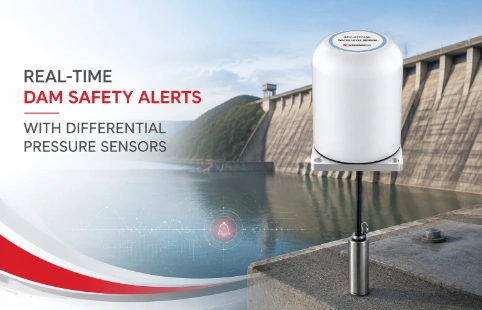
Real-Time Dam Safety Alerts with Differential Pressure Water Level Sensors
Key Takeaways An alert chain needs more than a sensor: define field in...

Piezo Vibration Sensor: Precision Monitoring for Critical Structures
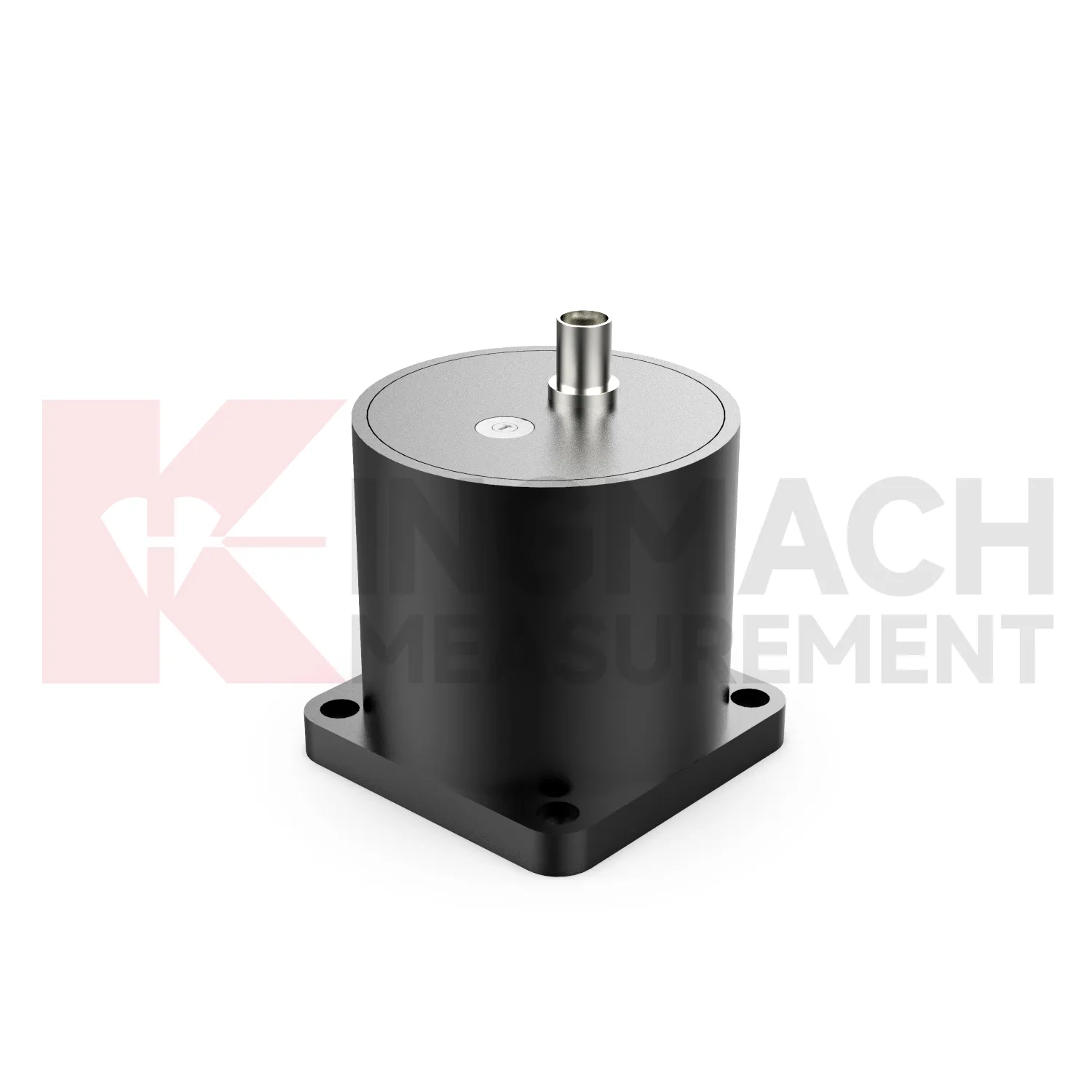
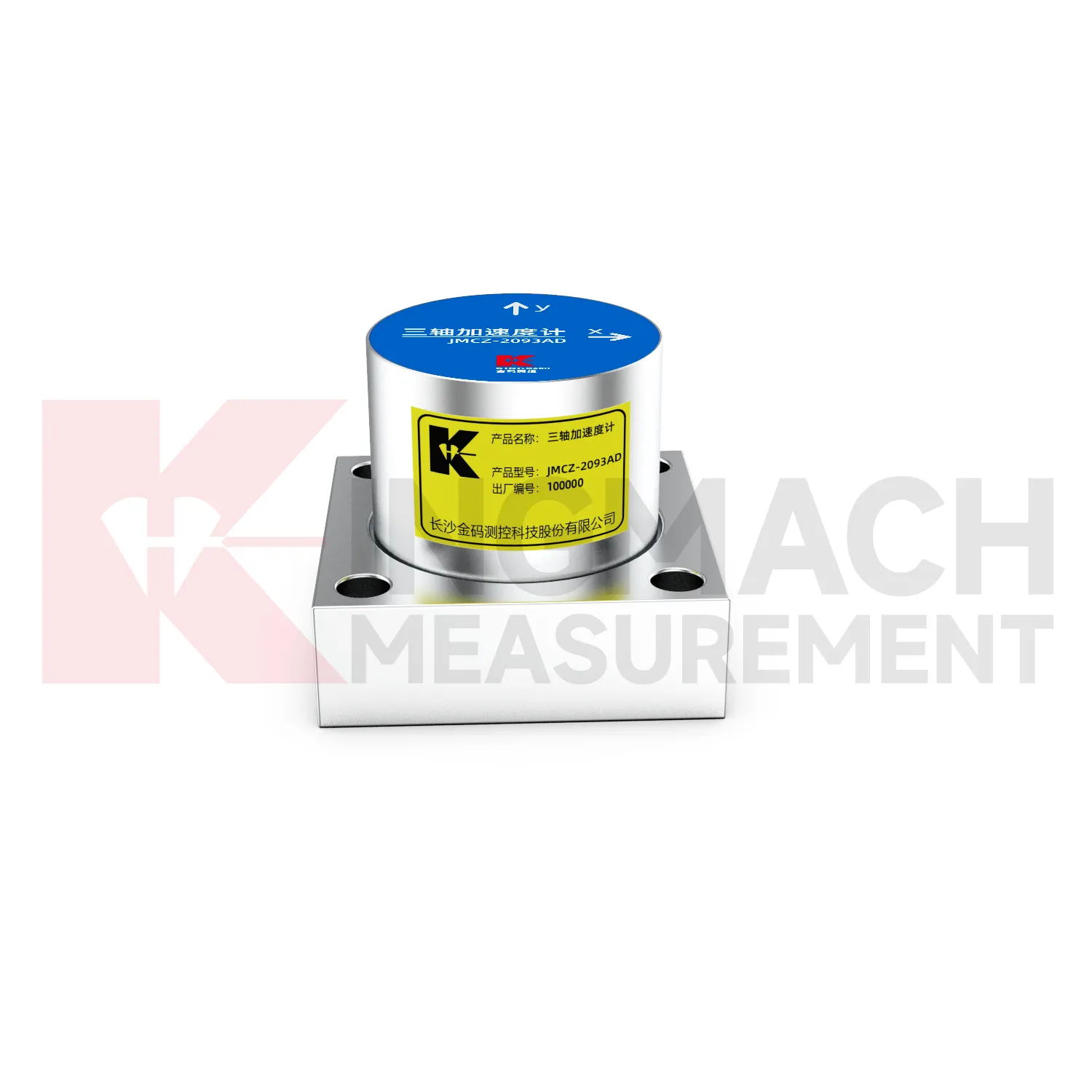
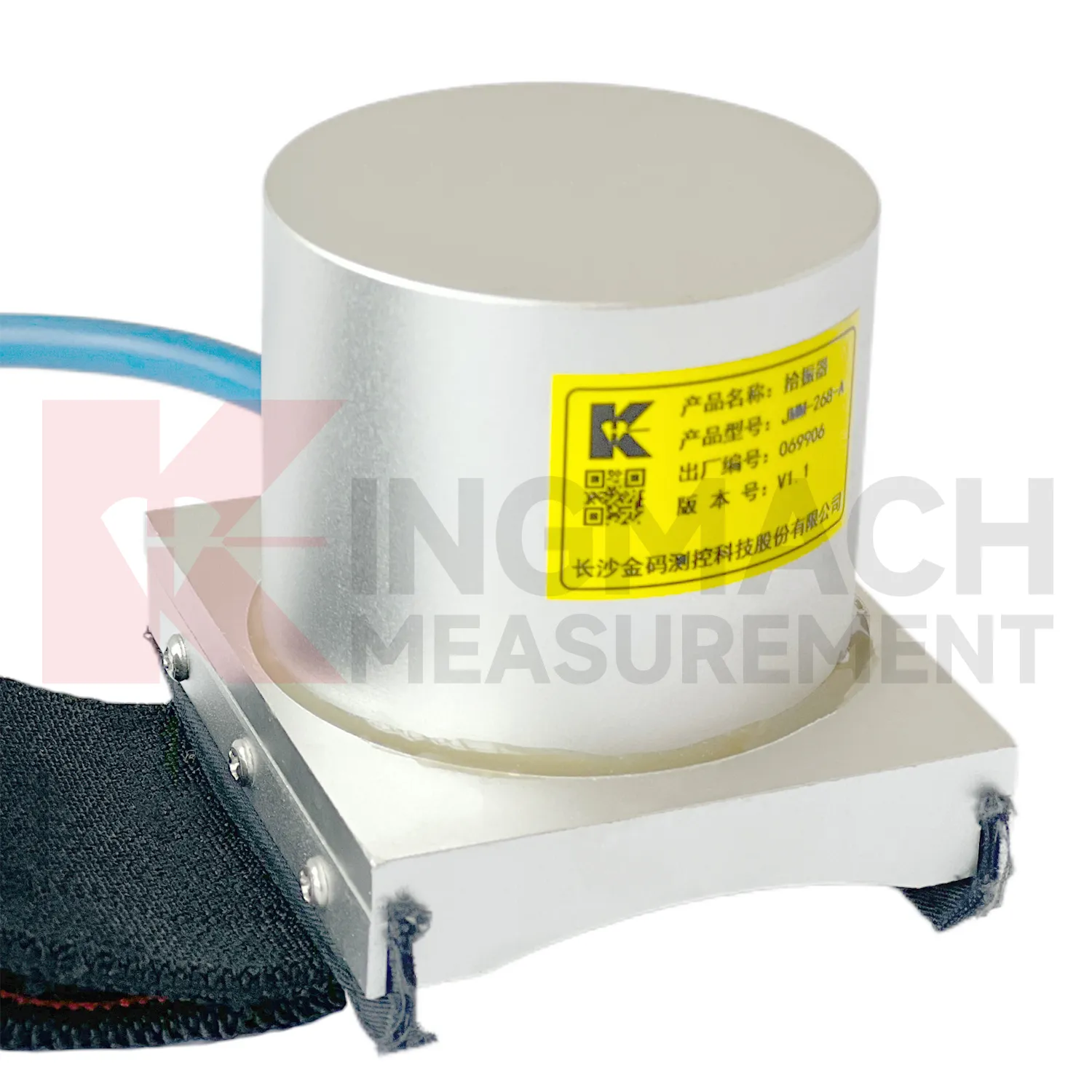
Vibration monitoring isn’t just about catching tremors. In geotechnical engineering, a failing pipeline bed or a bridge pier subjected to micro-settlements tells its story through vibration patterns long before visible damage appears. That’s where piezo vibration sensors come in—they convert mechanical stress into a measurable electrical signal, capturing everything from low-level ambient vibrations to sudden impacts. At Kingmach, we build these sensors with robust piezoelectric ceramics and precision electronics, tuned for the real-world demands of tunnels, dams, and heavy civil infrastructure. Unlike generic industrial sensors, our units are often customized for specific mounting constraints or required output types—voltage mode, charge mode, or integrated 4–20 mA transmitters. Whether you need to track construction-induced vibrations for nearby historic structures or monitor long-term settlement in a rail tunnel, the right sensor setup makes interpretation straightforward. We ship globally, but more importantly, we help you pick the sensor that fits your monitoring system and data acquisition already in place. No one wants a black-box sensor that locks you into a single software platform.
Technical Detail
Kingmach’s piezo vibration sensors are designed for geotechnical and structural monitoring where reliable low-frequency response matters. The sensing element is a shear-type piezoelectric ceramic—chosen for its temperature stability and resistance to base strain. Typical frequency range spans from 0.1 Hz to several kHz, and sensitivity values like 500 mV/g or 1000 mV/g are common, depending on the application. Housings are milled from stainless steel and sealed to IP67 or better, which keeps moisture out during long-term burial or submerged installations. You have options on the output side: a charge-mode sensor with a short cable run to a charge amplifier, or a low-impedance voltage-mode unit with built-in microelectronics that feeds directly into data loggers. For projects requiring loop-powered simplicity, we can integrate a 4–20 mA converter inside the sensor housing—this simplifies cabling over long distances. Many of our customers come to us after finding off-the-shelf sensors that almost fit: maybe the mounting stud is wrong, or the connector orientation makes installation impossible in a tight borehole. We modify dimensions, add custom cables, or adjust the low-frequency cutoff to suit unusual measurement ranges. After delivery, our support team stays available for calibration questions and troubleshooting. Applications range from dam foundation monitoring and bridge pier vibration logging to construction vibration impact assessment and rotating machinery surveillance. No inflated spec sheets—just sensors that perform, backed by people who understand geotechnical field conditions.
News
Key Takeaways An alert chain needs more than a sensor: define field in...
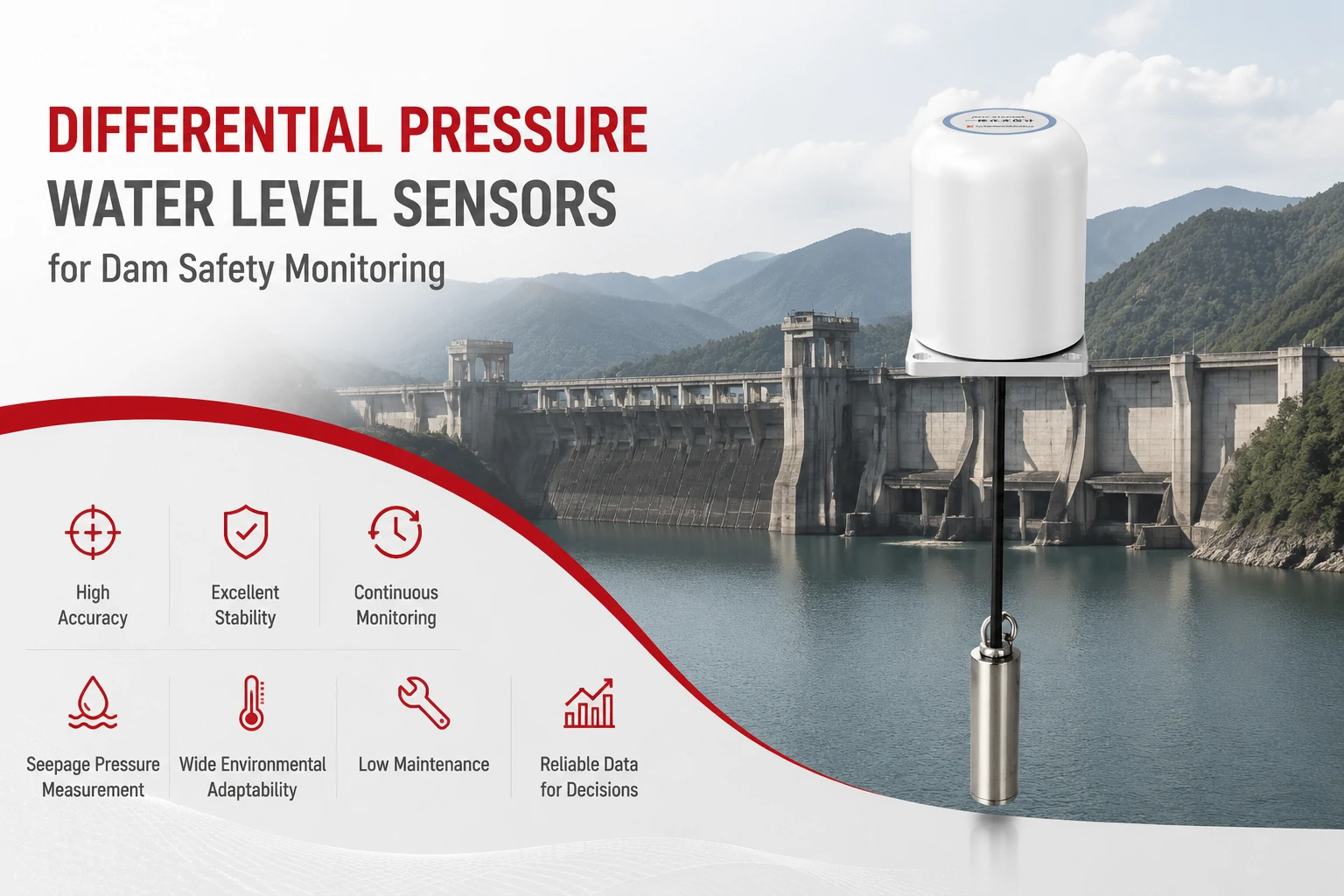
Key Takeaways The strongest fit is usually a confined, submerged, or s...
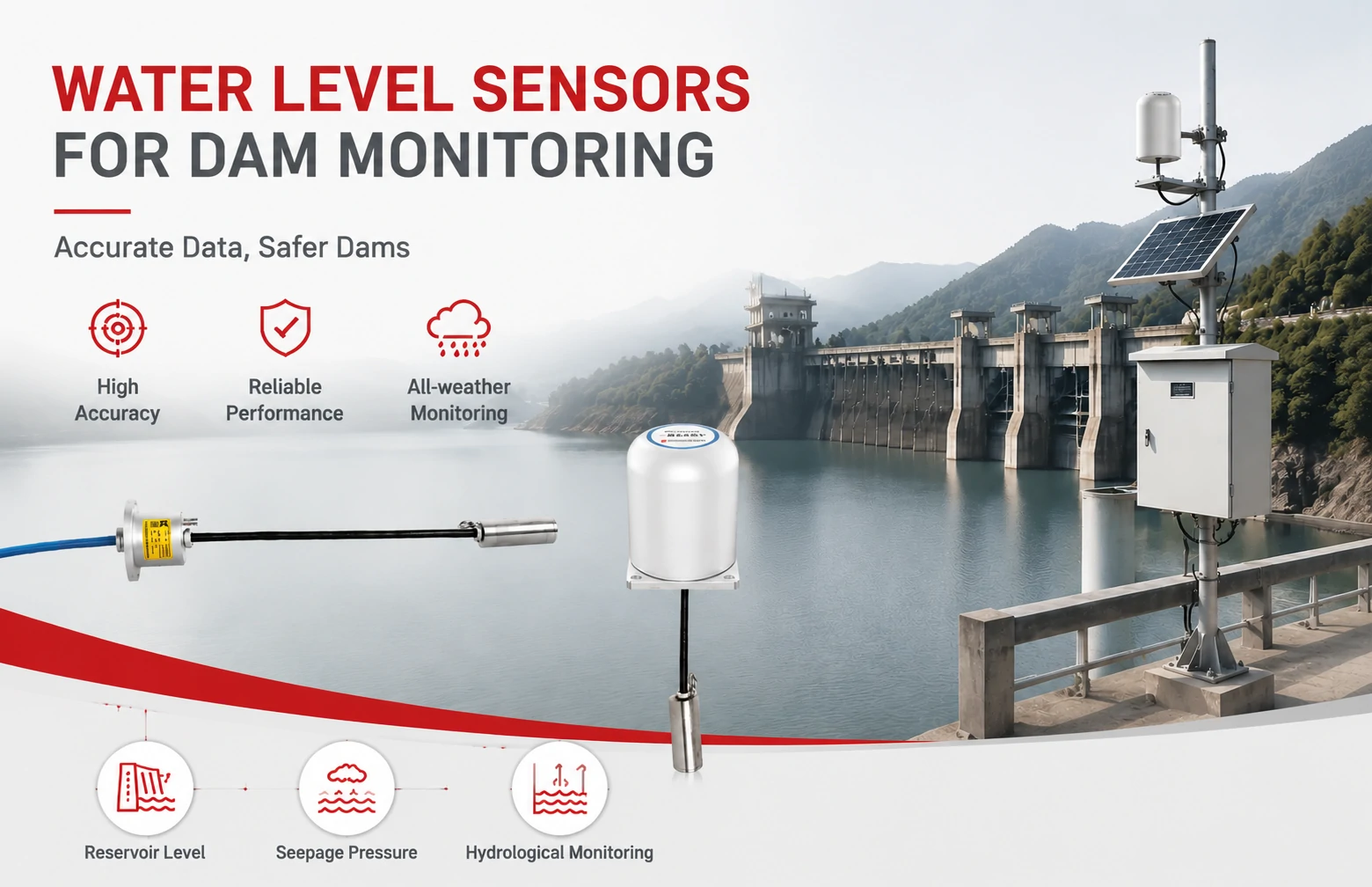
Kingmach Water Level Sensors for Dam Monitoring: A Buyer's Guide to Differential Pre...
Products
FAQ
Geotechnical structures often vibrate at very low frequencies—think 0.1 to a few hundred Hz—when subjected to settlement, traffic, or seismic activity. Our piezo vibration sensors use a shear-type ceramic element that inherently rejects thermal transients and base bending, which is critical at these low frequencies. The built-in electronics are AC-coupled with a carefully chosen time constant so you can measure down to 0.1 Hz without excessive phase shift. For even lower frequencies, we can supply charge-mode sensors and recommend separate charge amplifiers with long time constants.
Absolutely. We don’t lock you into a proprietary system. Voltage-output sensors have a standard IEPE (ICP) interface that nearly all data acquisition systems accept—just supply a constant-current source. For charge-mode sensors, you need a charge amplifier, and we can suggest compatible units. If you need a tailor-made connection to an existing logger, our factory can pre-wire the sensor with your specified connector and pinout.
Piezo ceramics exhibit a change in sensitivity with temperature, typically a few percent over a wide range. Our sensors are tested from -40°C to +120°C, and each unit ships with a calibration certificate showing sensitivity at room temperature. If your monitoring site sees extreme temperature swings, we can provide compensated electronics or a temperature correction curve. Note that the low-frequency response can also drift if the sensor’s internal time constant resistor is temperature-sensitive, so we use precision thin-film resistors in the critical path.
We often adapt housings for borehole installation, magnetic bases, or epoxy bonding. We can extend or shorten the mounting stud, add a side-exit cable, or change the connector to something more durable like a metal bayonet. If you need a sensor that fits inside a small diameter inclinometer casing, we can slim down the body diameter and use a remote charge amplifier. The lead time is usually shorter than you might expect because many modifications start from proven platform designs.
In continuous geotechnical monitoring, a well-built piezo sensor can operate for decades if the environment is within its ratings. The key vulnerability is moisture ingress around connectors or cable splices, so proper sealing is essential. We double-seal all housing joints and use welded connectors where possible. The piezoelectric crystal itself does not wear out; what can degrade is the internal preamplifier (in voltage-mode sensors) over many years of thermal cycling. For critical long-term installations, we recommend periodic calibration checks—we offer a refurbishment service if sensitivities drift.
Share your product type, target capacity, and application requirements. Our team can review the details and recommend a practical next step.
If you are interested in our products or want to become our partner.
Please leave your contact information, our team will contact you as soon as possible.
Mail: [email protected]
Contact Us: +8613808434127
Address: No. 188 Tongzipo West Rd, Changsha, Hunan, China