
 EN
EN
 ar
ar bg
bg hr
hr cs
cs da
da nl
nl fi
fi fr
fr de
de el
el hi
hi it
it ko
ko no
no pl
pl pt
pt ro
ro ru
ru es
es sv
sv tl
tl iw
iw id
id lv
lv lt
lt sr
sr sk
sk sl
sl uk
uk vi
vi et
et hu
hu th
th tr
tr fa
fa ms
ms hy
hy ka
ka ur
ur bn
bn mn
mn ta
ta kk
kk uz
uz ku
ku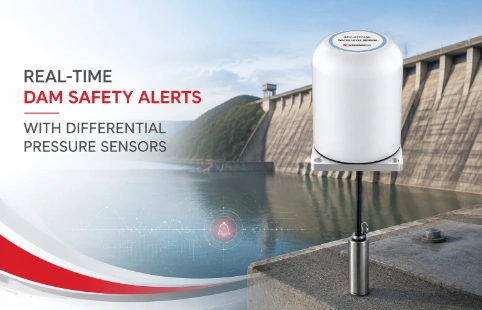
Real-Time Dam Safety Alerts with Differential Pressure Water Level Sensors
Key Takeaways An alert chain needs more than a sensor: define field in...

Piezometer Data Logger That Reads What Your Sensors Output
Not every piezometer data logger handles the mix of vibrating wire and 4-20mA signals cleanly. Put a logger in the field, and the first thing you notice is whether cable resistance drifts, whether the excitation is stable, or whether the cold junction compensation actually works. Kingmach builds these units for people who need to trust pore pressure readings month after month. The logging side supports flexible intervals, event-driven triggering, and enough onboard memory to survive comms outages. Rather than lock you into one sensor brand, the input channels take most industry-standard piezometers. That means you can spec the logger alongside existing instrumentation and avoid redoing terminations. Whether it sits in a borehole terminal box or inside an instrument hut, the enclosure and power management are sized for real field conditions, not just bench tests.
Technical Detail
A piezometer data logger from Kingmach doesn’t complicate field setup. The analog front end includes programmable gain and filtering that matches the output characteristics of vibrating wire and 4-20mA piezometers. For VW sensors, the excitation sweep is adjustable—typically between 400 Hz and 4000 Hz—and the logger records both frequency and temperature with enough resolution to spot a few millimeters of water pressure change. On the current-loop side, the 24-bit ADC keeps quantization error low even with long cable runs. Channel count is configurable; a common variant supports four differential inputs, which is enough for most single-borehole profiles or small arrays. Data gets stored on a removable SD card or internal flash, with cyclic and stop-when-full modes. Retrieval can be done locally via USB or remotely through 4G/NB-IoT if the optional telemetry module is fitted. Power consumption is kept low enough that a 12V sealed lead-acid battery often lasts six months between site visits. The logger’s firmware handles common calculations like pressure head conversion and barometric compensation when paired with an external sensor. Kingmach supplies units preconfigured to project specs, cutting down the bench time before installation. Their global distributor network means local stock and support are sometimes available, and the team will review wiring diagrams or data formats during commissioning calls.
News
Key Takeaways An alert chain needs more than a sensor: define field in...
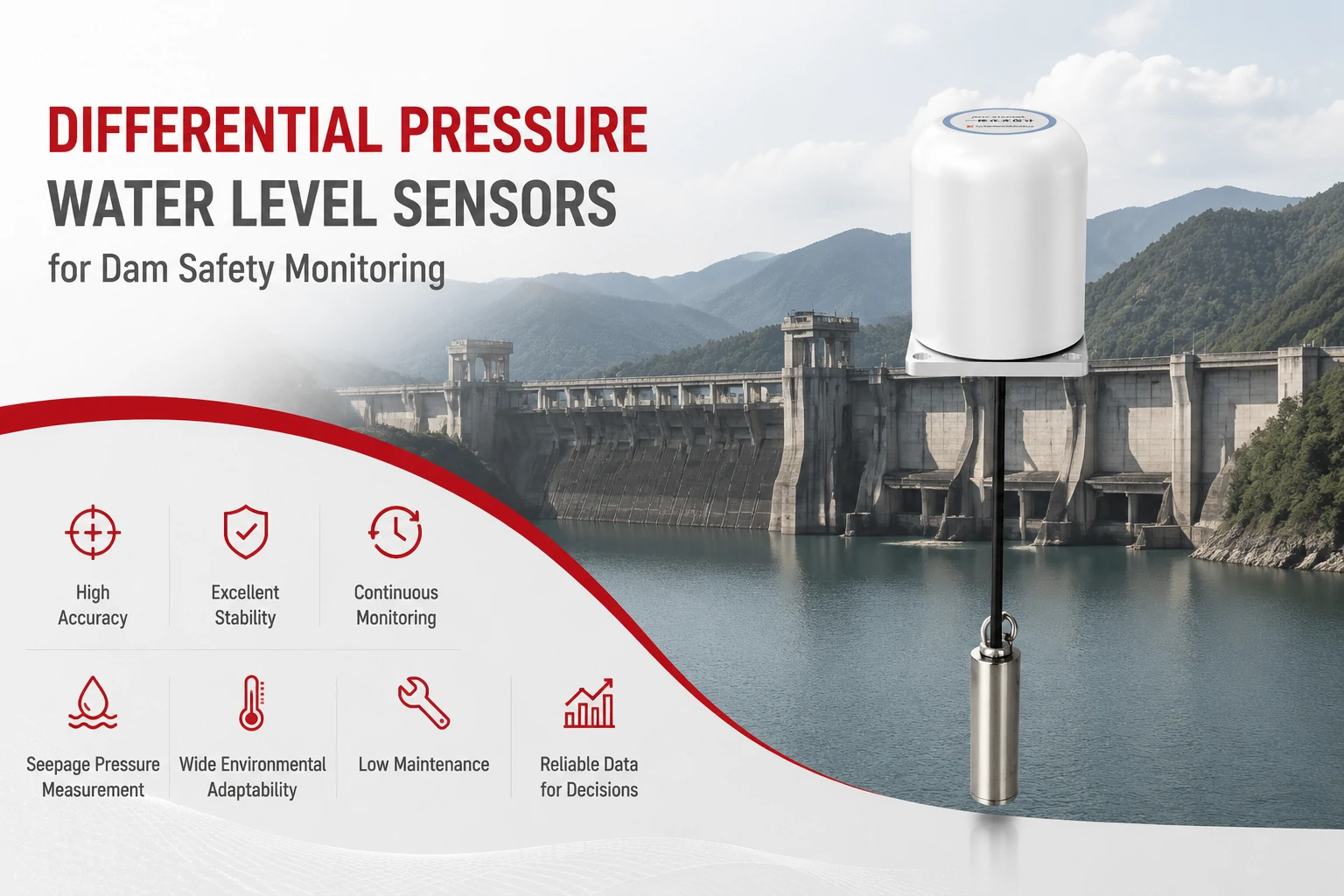
Key Takeaways The strongest fit is usually a confined, submerged, or s...
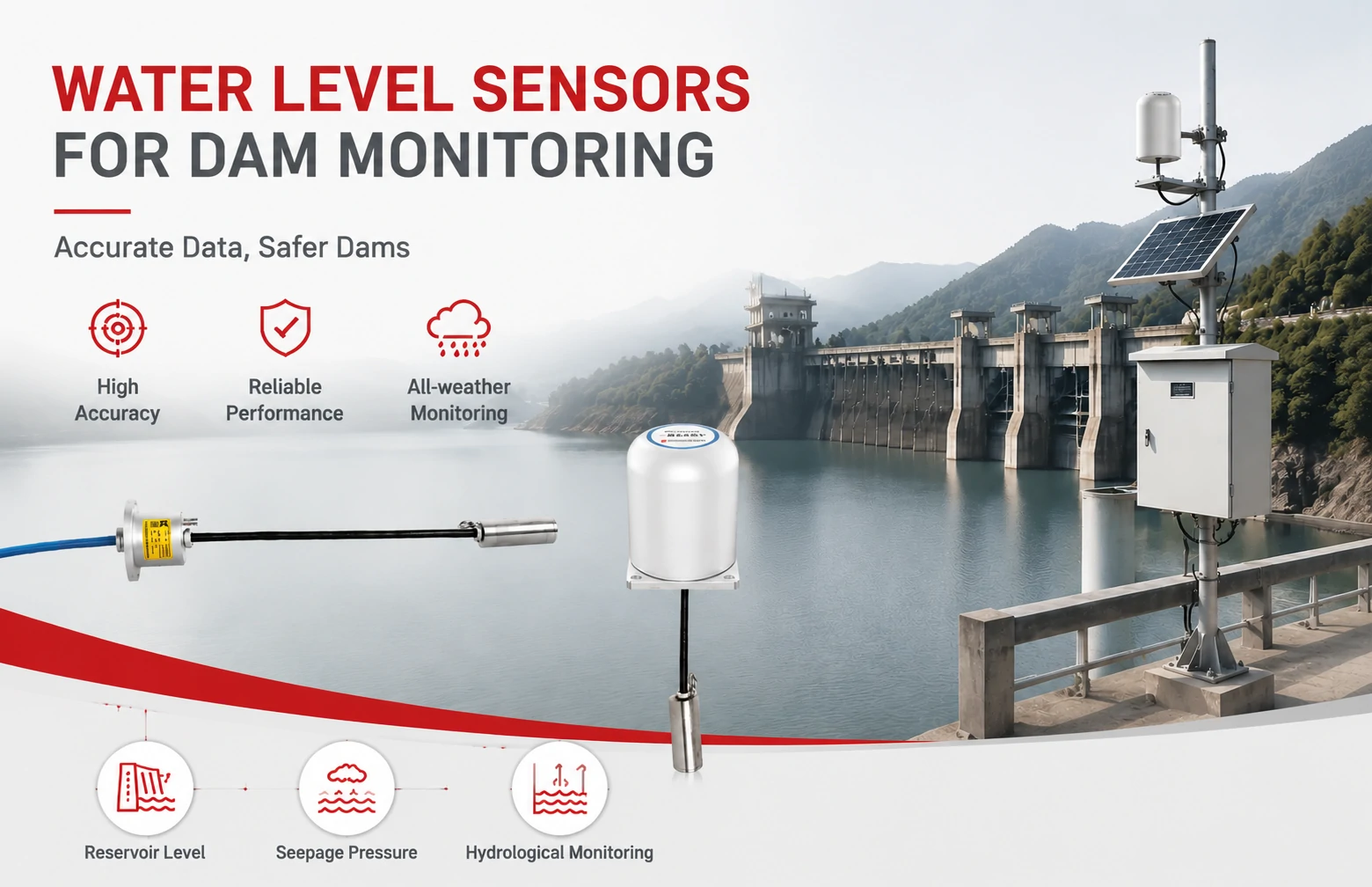
Kingmach Water Level Sensors for Dam Monitoring: A Buyer's Guide to Differential Pre...
Products
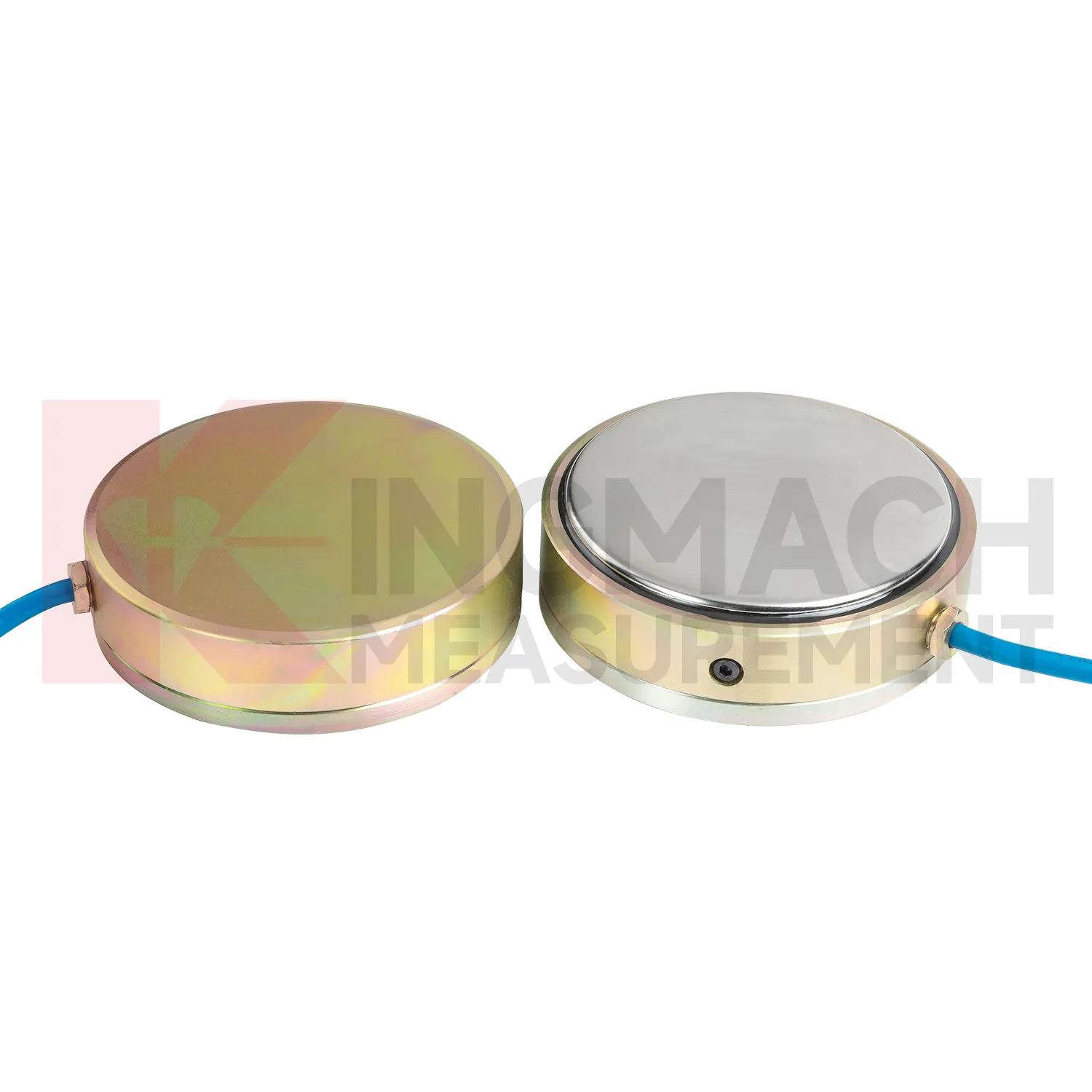
Large Earth Pressure Cell ( VW & Smart Type) JMZX-51XXAT/ ATM
View Details
Smart Vibrating Wire PiezometerSmart Piezometers (VW) JMZX-55XXHAT
View Details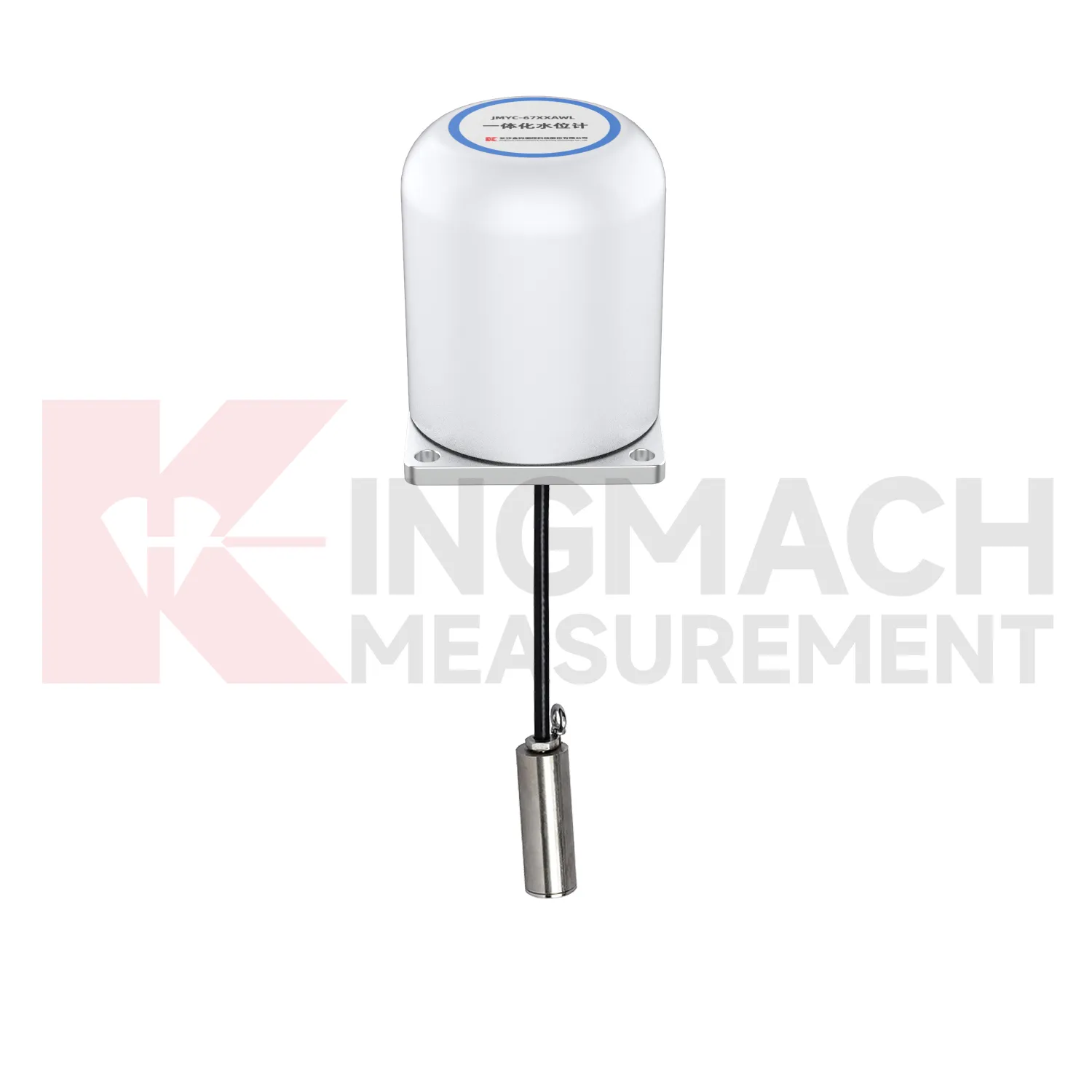
Integrated Wide-Range Differential Pressure Water Level Meter JMYC-67XXAWL
View DetailsFAQ
The standard inputs cover vibrating wire piezometers and 4-20mA transducers. If you’re using something else—like 0-5V or RS485—it’s worth asking about hardware options or external signal converters. The excitation sweep for VW sensors is programmable, so it adapts to different coil resistances.
You have a few options. Locally, plug a laptop into the USB port and grab CSV files. If you add a 4G or NB-IoT module, the logger can push readings to an FTP server or cloud platform on a schedule. Some setups also support Modbus polling from a remote SCADA.
It can. You wire a barometer to one of the auxiliary channels, and the firmware subtracts atmospheric pressure from the piezometer reading. The coefficient is field-adjustable, so you’re not stuck with assumptions from the factory.
With hourly logging and no telemetry, a 12V 7Ah battery often lasts four to six months. Sleep current is in the microamp range, and the main spike comes during VW excitation. If you add a cellular modem, expect to size the battery larger or plan for solar topping.
Yes. They ask for sensor make, model, and calibration sheets, then set the excitation parameters, conversion equations, and channel labels before shipping. That saves you from scrolling through menus on a tiny screen—most units don’t even need a display if you’re handling data remotely.
Share your product type, target capacity, and application requirements. Our team can review the details and recommend a practical next step.
If you are interested in our products or want to become our partner.
Please leave your contact information, our team will contact you as soon as possible.
Mail: [email protected]
Contact Us: +8613808434127
Address: No. 188 Tongzipo West Rd, Changsha, Hunan, China