
 EN
EN
 ar
ar bg
bg hr
hr cs
cs da
da nl
nl fi
fi fr
fr de
de el
el hi
hi it
it ko
ko no
no pl
pl pt
pt ro
ro ru
ru es
es sv
sv tl
tl iw
iw id
id lv
lv lt
lt sr
sr sk
sk sl
sl uk
uk vi
vi et
et hu
hu th
th tr
tr fa
fa ms
ms hy
hy ka
ka ur
ur bn
bn mn
mn ta
ta kk
kk uz
uz ku
ku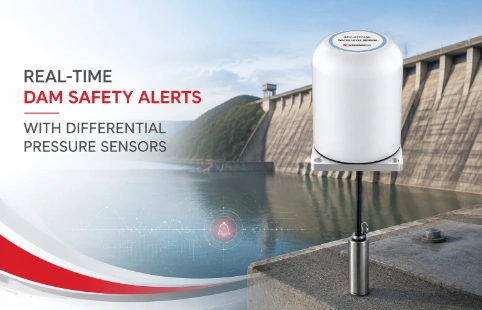
Real-Time Dam Safety Alerts with Differential Pressure Water Level Sensors
Key Takeaways An alert chain needs more than a sensor: define field in...

Strain Sensor Applications: Real Projects, Practical Notes
On a routine inspection of a 1960s box-girder bridge, engineers found cracks spreading from a mid-span diaphragm. They needed to know if the cracks were growing under live load. Spot-weldable strain gauges went onto the steel, and vibrating-wire embedment gauges were cast into new grout repairs. Over six months, the data showed the cracks stabilized after retrofitting. That’s a typical strain sensor application—not lab work, but real infrastructure where a sensor has to survive rain, vibration, and rough handling. Kingmach ships sensors into similar jobs every week: arch dams with embedded rosettes, slurry walls monitored during deep excavation, tunnel linings checked for convergence stress. The range covers spot-weld, arc-weld, embedment, surface-mount, and high-temperature types, most available with temperature compensation. Because every project has its own geometry and access limits, Kingmach also supplies custom gauge lengths and leadwire configurations without long lead times. The following notes go deeper into common application questions, based on what field engineers actually ask.
Technical Detail
Strain sensors in geotechnical work serve two main functions: quantifying loads on structural members, and tracking deformation over time. In a bridge bearing retrofit, surface-mount sensors placed on the new elastomeric pads helped confirm design assumptions by comparing measured strain with calculated distribution under traffic. In a diaphragm wall project, embedment strain gauges paired with inclinometers gave a full picture of bending moment versus depth. These applications share a few practical demands—the gauge must bond easily to wet, rough concrete; the leadwire needs to withstand construction crew activity; and the data should remain stable for years despite temperature swings. Kingmach builds its foil‑type sensors on modified polyimide backings rated for field conditions, and the vibrating-wire line uses vacuum‑sealed tubes to prevent drift. Users can choose quarter‑bridge or half‑bridge wiring; data loggers from most major brands read the sensors directly. For long‑term monitoring, the vibrating‑wire sensors offer a strong advantage: frequency output resists cable length effects, so you can run 1 km of wire without signal loss. Kingmach stocks sensors from 6 mm to 150 mm gauge length and ships a mounting kit with adhesive, protective covers, and terminal strips in every box. If a project calls for an unusual bolt spacing, custom‑length arms arrive in under three weeks. Global shipping is handled through local distributors, but engineering support comes direct from the factory, often with a photo‑marked drawing showing exactly where to place the gauge for the clearest data.
News
Key Takeaways An alert chain needs more than a sensor: define field in...
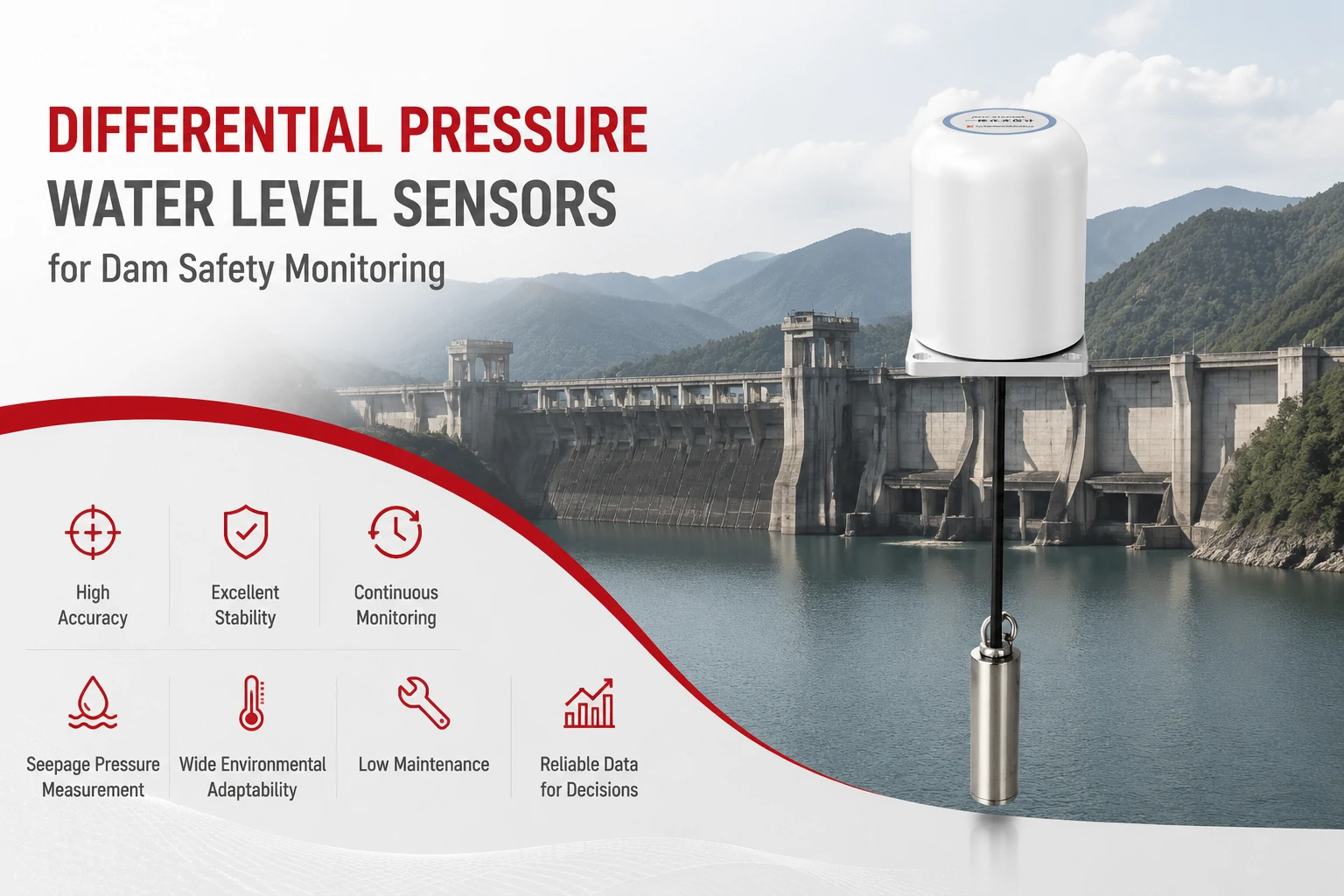
Key Takeaways The strongest fit is usually a confined, submerged, or s...
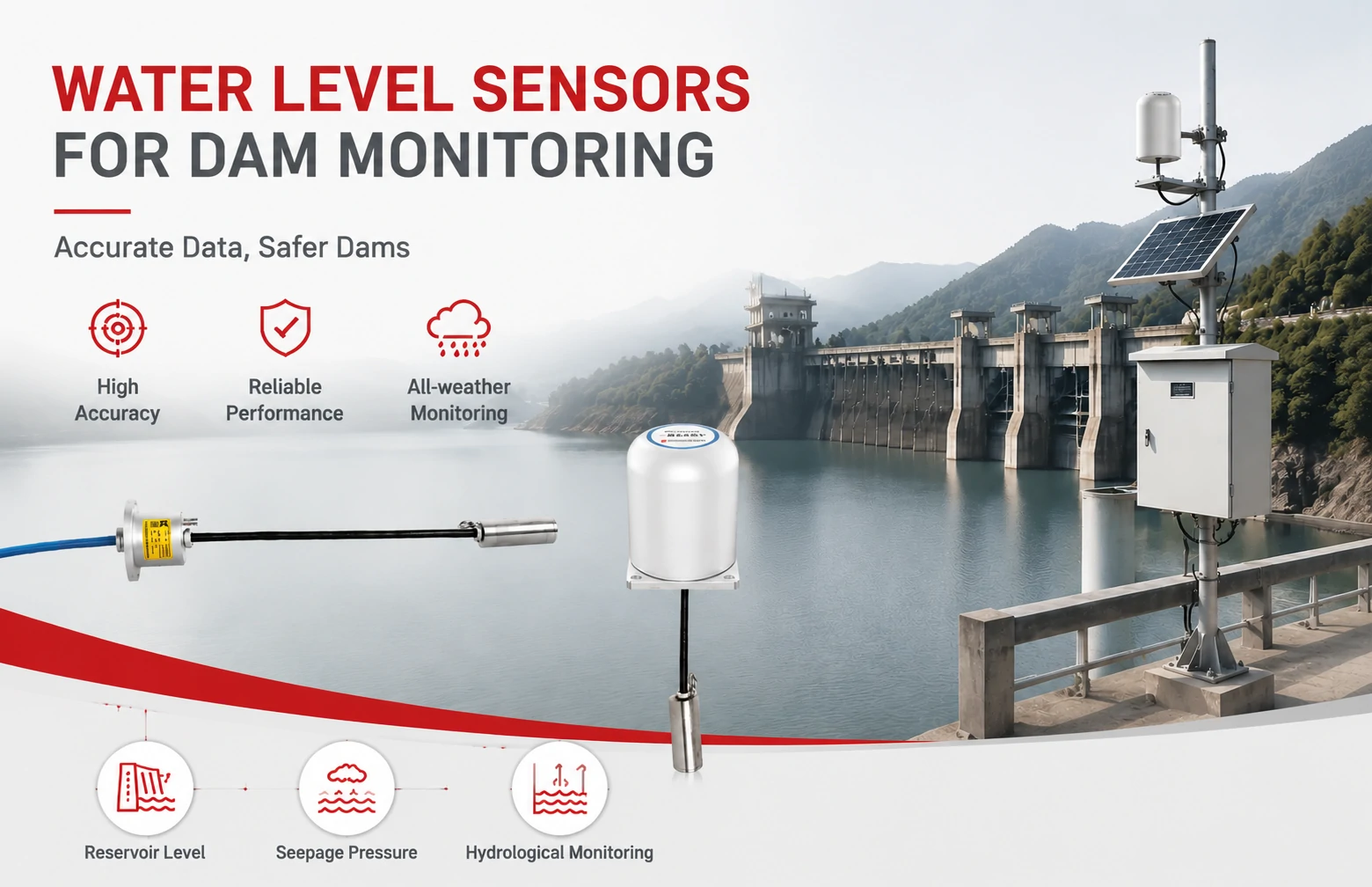
Kingmach Water Level Sensors for Dam Monitoring: A Buyer's Guide to Differential Pre...
Products
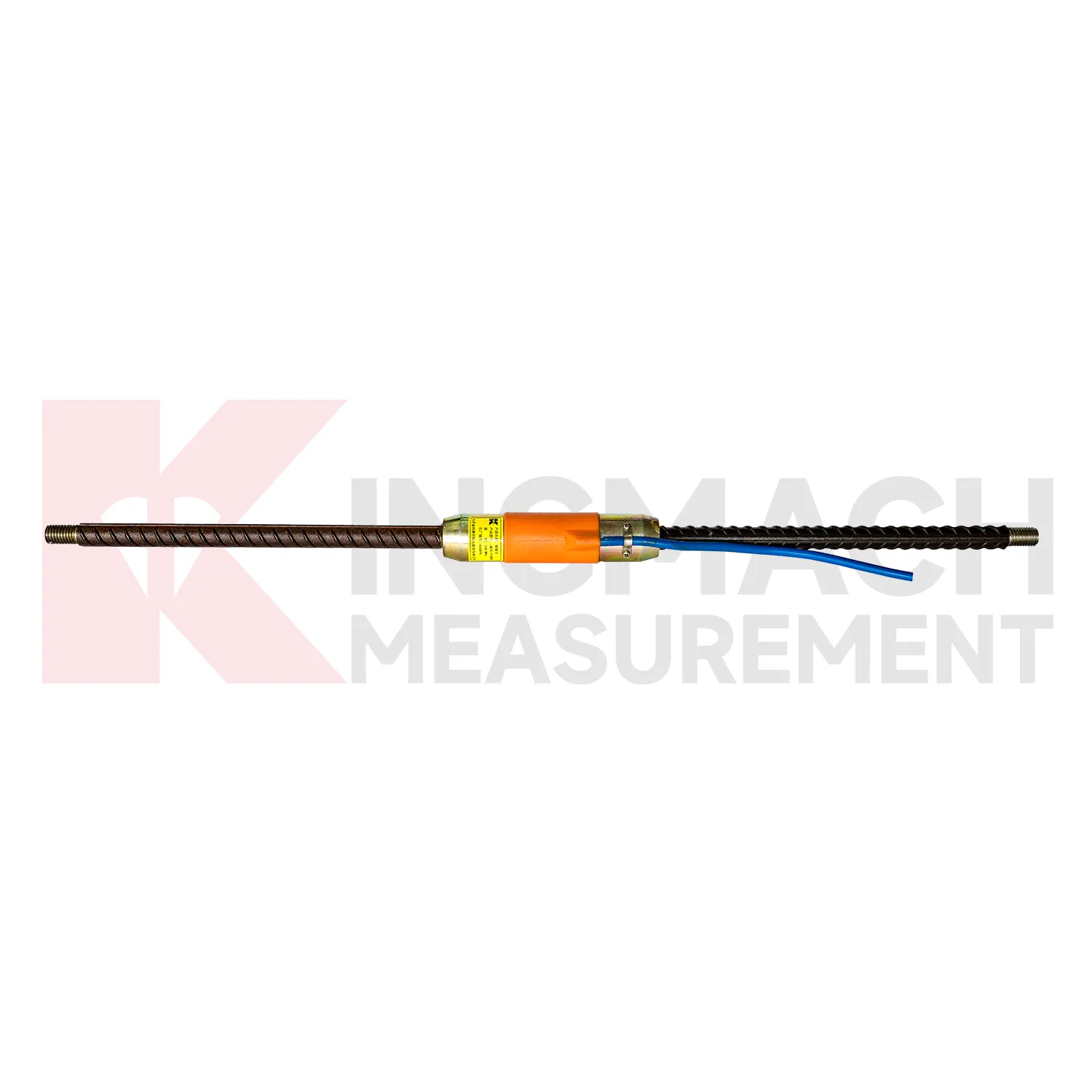
Rebar Strainmeters ( VW & Smart Type) JMZX-4XXHAT/HB
View Details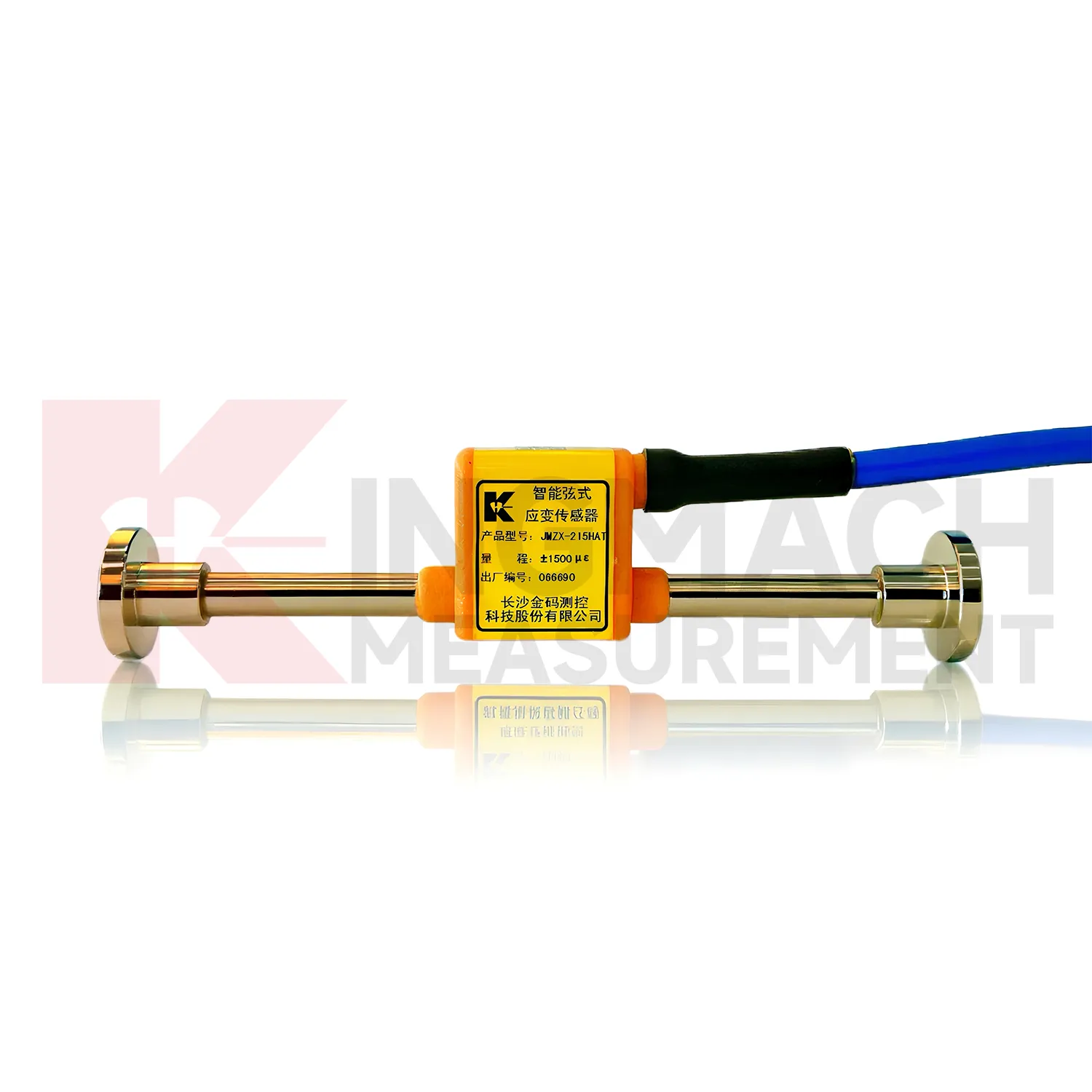
Smart vibrating wire strain gauge (embedment model) JMZX-215HA/215HAT/HB
View Details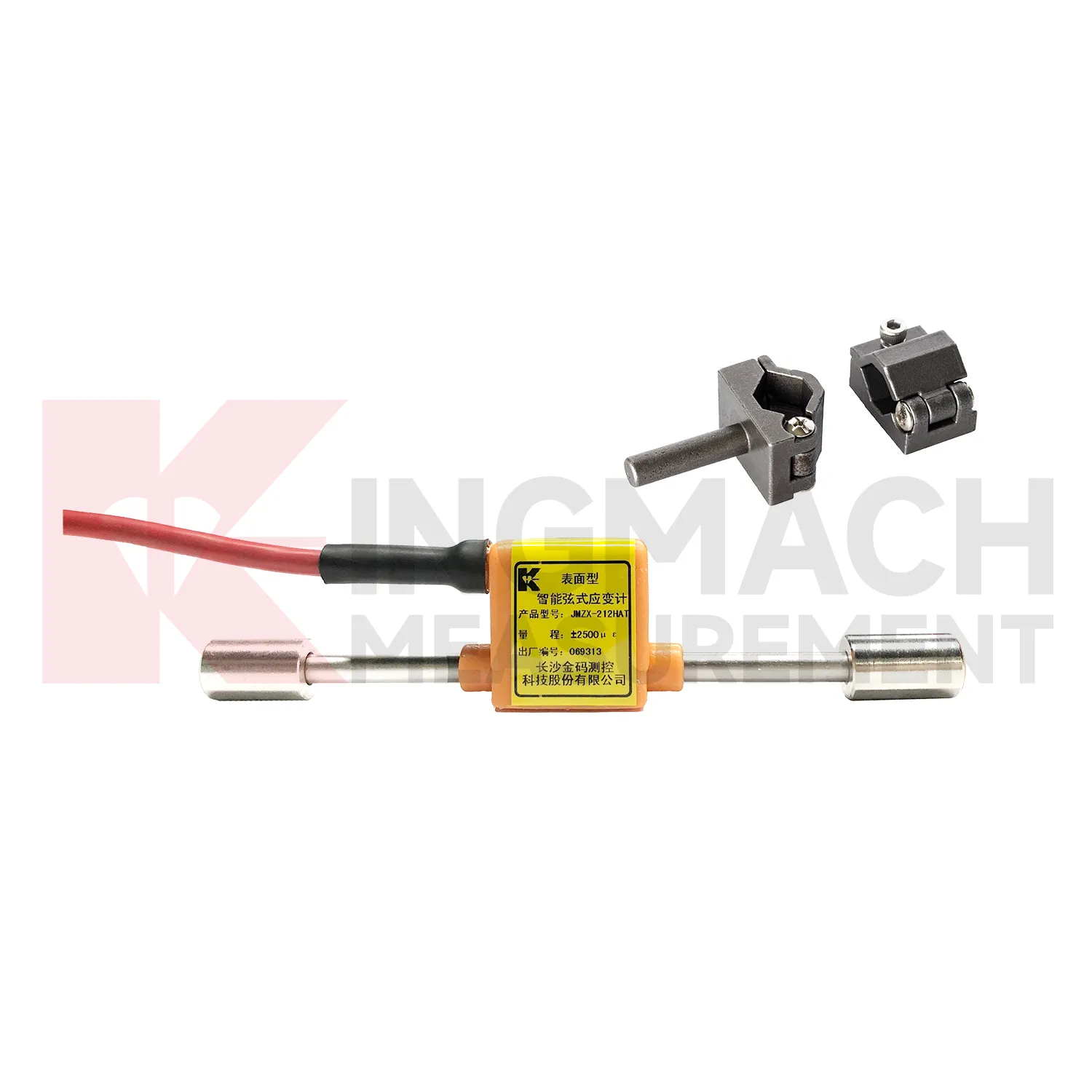
Smart vibrating wire strain gauge (surface model) JMZX-212HAT/HB
View DetailsFAQ
Embedment vibrating-wire strain gauges usually give the most reliable long-term results. They’re self-contained, with the coil and wire sealed inside, so they handle the high-pH environment and initial curing heat better than resistive foil. Mount them on a small rebar cage before the pour, and make sure the flanges are properly tied to avoid floating. For large pours, a rosette pattern of three gauges oriented at 0°, 45°, and 90° lets you resolve principal strains without guesswork.
Spot-weld installation is the standard choice if you have a portable spot welder. For thinner steel or locations where welding isn’t allowed, a two-part cold-cure adhesive can also bond a foil gauge directly to prepared steel. Surface prep is critical either way: grind to white metal, degrease with acetone, and apply a protective coating immediately after installation. Kingmach includes a chemical-resistant cover film and a stainless steel shim in the kit for this purpose.
Yes, you can use a completion module or a precision resistor to build a Wheatstone bridge externally. Most full-bridge sensors output in mV/V, which any voltage-reading logger can handle with a stable excitation supply. For a quarter-bridge foil gauge, you would add three completion resistors. If you want to skip the wiring effort, choose a vibrating-wire sensor and a logger with a built-in vibrating-wire interface—those read frequency directly via the coil without needing a bridge completion.
It’s less about the gauge and more about the mechanical protection. A bare gauge with a thin cover can survive if the crew knows to avoid it, but on a busy site a welded steel box cover with a cable gland is much safer. After that, the splice point between the gauge leadwire and the extension cable often causes trouble. Encapsulating the splice in a epoxy-filled junction box or using pre-molded splice kits keeps moisture and tension out. When these steps are followed, multi-year survival rates exceed 90% in our experience.
Most strain gauges include a temperature coefficient, so they expand or contract even without load. Vibrating-wire gauges usually embed a thermistor for direct temperature correction. For foil gauges, you can wire a dummy gauge on an unloaded piece of the same material and connect it in the opposite bridge arm. The key is to match the thermal expansion of the dummy to the parent material—otherwise, you’ll introduce a false apparent strain. In practice, many users just monitor temperature separately and subtract the estimated thermal strain using the known coefficient of expansion for steel or concrete.
Share your product type, target capacity, and application requirements. Our team can review the details and recommend a practical next step.
If you are interested in our products or want to become our partner.
Please leave your contact information, our team will contact you as soon as possible.
Mail: [email protected]
Contact Us: +8613808434127
Address: No. 188 Tongzipo West Rd, Changsha, Hunan, China