
 EN
EN
 ar
ar bg
bg hr
hr cs
cs da
da nl
nl fi
fi fr
fr de
de el
el hi
hi it
it ko
ko no
no pl
pl pt
pt ro
ro ru
ru es
es sv
sv tl
tl iw
iw id
id lv
lv lt
lt sr
sr sk
sk sl
sl uk
uk vi
vi et
et hu
hu th
th tr
tr fa
fa ms
ms hy
hy ka
ka ur
ur bn
bn mn
mn ta
ta kk
kk uz
uz ku
ku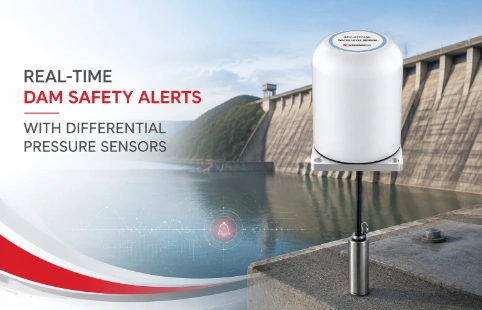
Real-Time Dam Safety Alerts with Differential Pressure Water Level Sensors
Key Takeaways An alert chain needs more than a sensor: define field in...

Weir Flow Meter Factory Price – Direct from Kingmach
When you’re outfitting a flow monitoring station, the cost of sensors can eat into the budget fast. Kingmach offers its weir flow meters straight from the factory, which means you skip the distributor markups. The meters pair with common thin-plate weirs and are built around a submerged level sensor that doesn’t mind muddy water or debris. That’s one reason they show up in irrigation canals, wastewater channels, and environmental monitoring setups. Since Kingmach manufactures a wide range of geotechnical instruments, the weir meter isn’t a lone product — it often ships together with data loggers, telemetry modules, or even the weir plate itself if your project needs it. We’ve seen engineers request small modifications like extended cable lengths or custom output signals, and those can often be handled without a huge price jump. This page gives you a straight look at how Kingmach prices its weir flow meters and what you actually get for the money.
Technical Detail
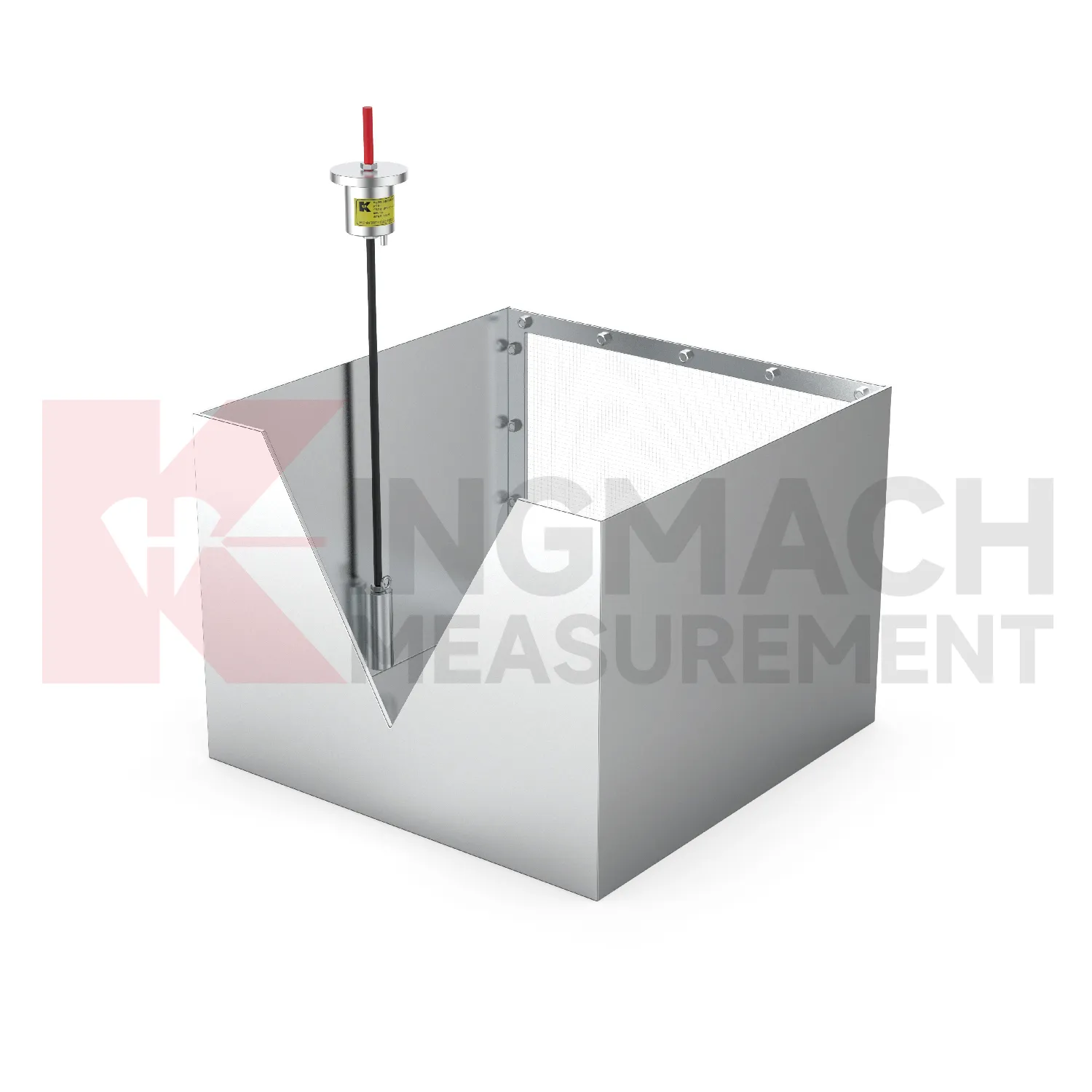
Kingmach positions itself in the mid-range of the instrument market — not the cheapest option, but a step up from no-name devices that arrive without a manual or calibration sheet. The weir flow meter uses a pressure-based level sensor to calculate flow over a V‑notch, rectangular, or trapezoidal weir. Since the sensor sits below the water surface, it handles foaming or floating debris much better than ultrasonic alternatives. The factory price includes factory calibration against a reference weir plate, but you can also ask for site-specific calibration if you provide the weir dimensions beforehand. Being a manufacturer with a broad geotechnical catalog means Kingmach can combine the flow meter with rain gauges, water level loggers, and GSM data transmitters in a single shipment — often with a volume discount. Custom requests like longer sensor cables, special range adjustments, or stainless steel housings for brackish water are welcome. The team also offers pre-sales sizing help: send them your expected flow range and channel shape, and they’ll recommend the right weir type and sensor span. After the sale, technical support continues via email or remote access, which matters when your site is a day’s drive from the nearest instrument shop. If your project timeline requires multiple monitoring points, Kingmach’s global distribution network can arrange consolidated shipping from their factory to your port, saving you logistics headaches. The bottom line is straightforward: you pay for a working measurement chain built around a weir plate, not for a sensor that needs another box to translate its signal. For anyone who has wrestled with incompatible components before, that completeness is worth noting.
News
Key Takeaways An alert chain needs more than a sensor: define field in...
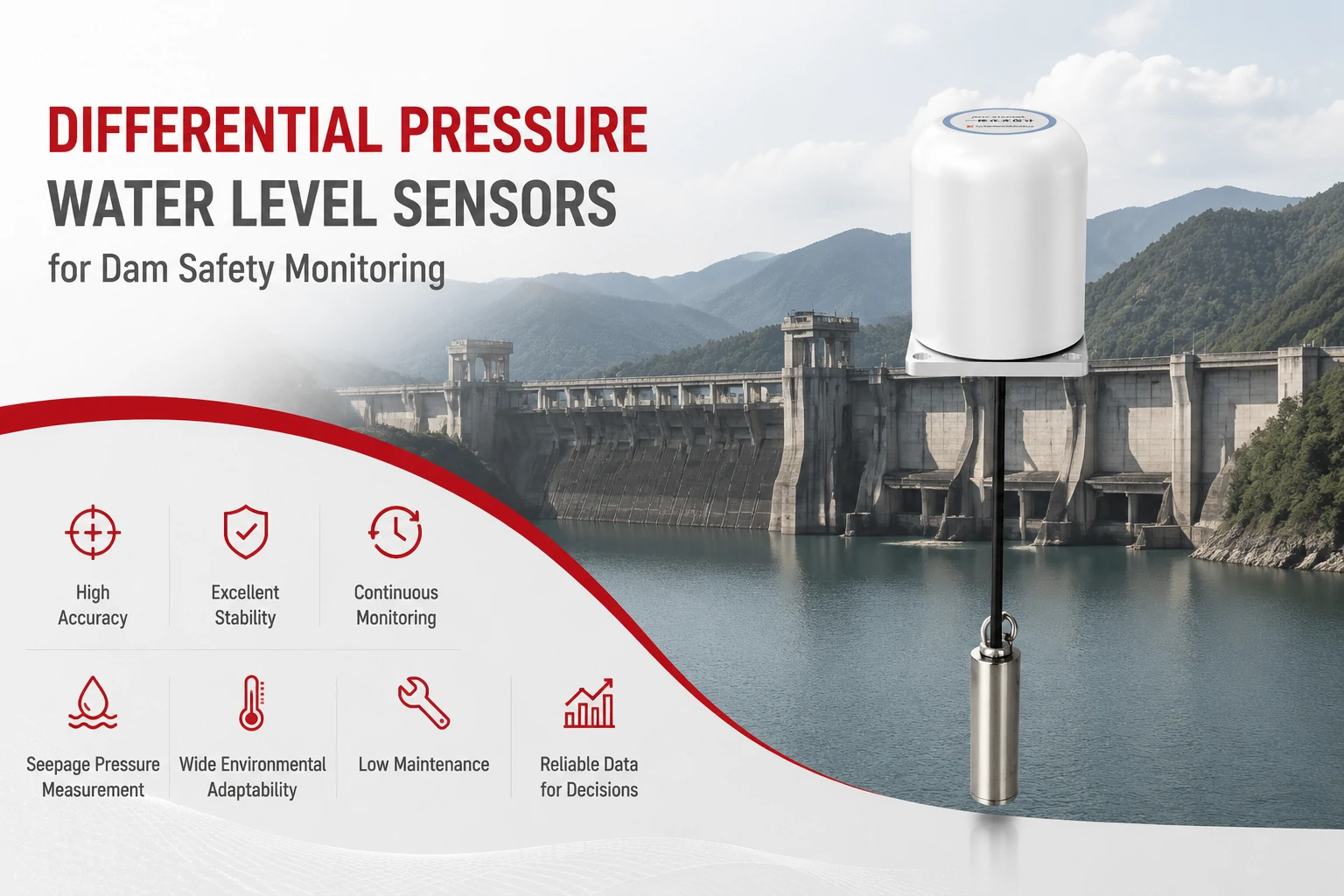
Key Takeaways The strongest fit is usually a confined, submerged, or s...
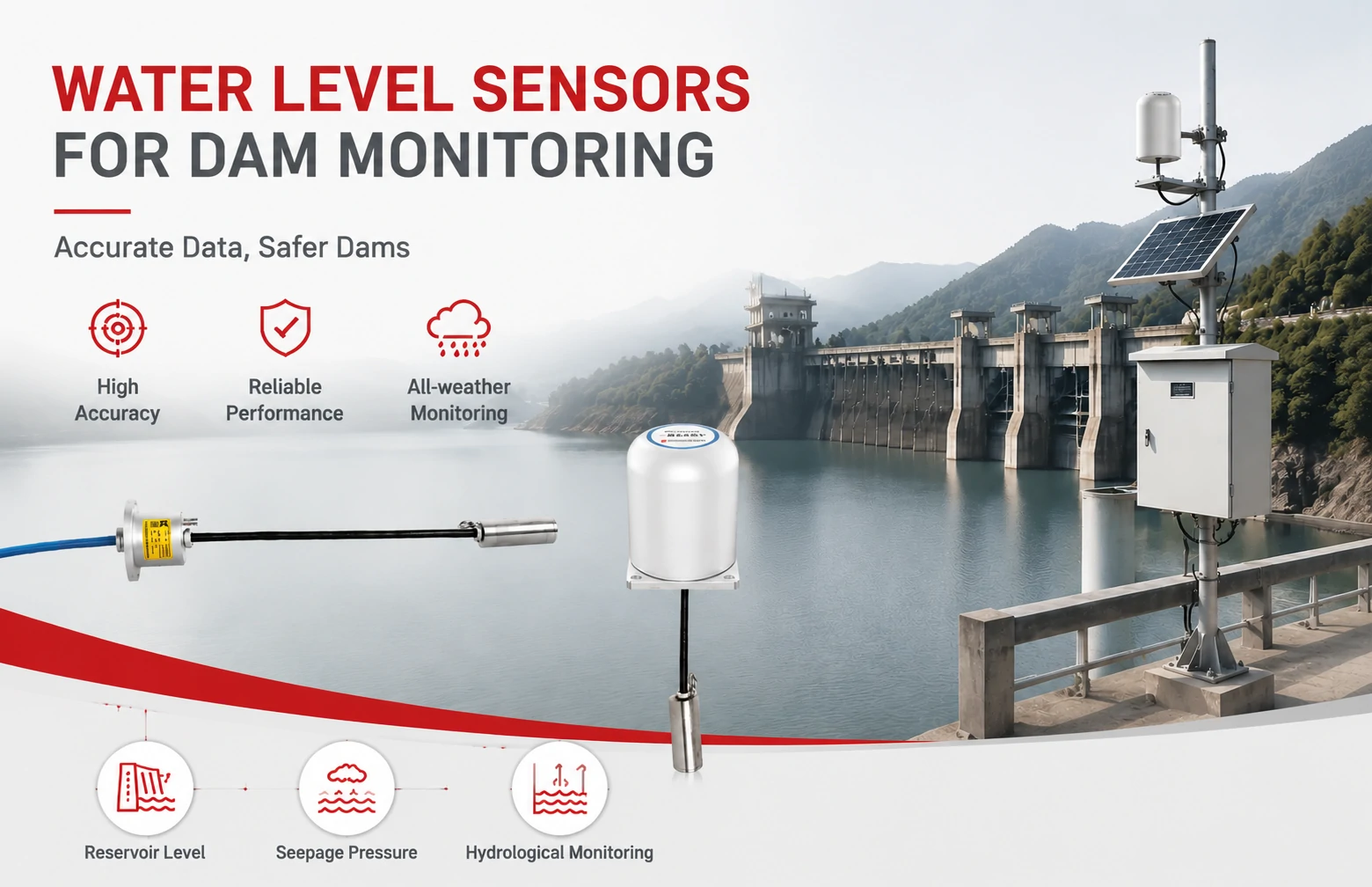
Kingmach Water Level Sensors for Dam Monitoring: A Buyer's Guide to Differential Pre...
Products
FAQ
By default, the price covers the level sensor, transmitter or display, and factory calibration. Weir plates are quoted separately, but many customers prefer to fabricate their own according to standard dimensions. If you need a complete set, Kingmach can supply the plate and even the stilling well.
The sensor span is sized to the head over your weir. For a typical 90° V‑notch, you might measure from a few liters per second up to around 50 L/s, but larger weirs with rectangular sections can cover several cubic meters per second. It all depends on the weir geometry, so it’s best to share your expected maximum head when requesting a quote.
Yes. The standard output is 4‑20 mA, which most industrial controls accept directly. Modbus RTU is also available, and Kingmach can add SDI‑12 or RS‑485 if your data logger calls for it. Mention the protocol you use early in the conversation so they configure the right electronics.
In clean water, annual checks are usually sufficient. If the sensor is installed in silty or saline water, a six‑month visual inspection and a calibration bump test are a good idea. The sensor cell is replaceable, and Kingmach can supply spare parts at factory prices when needed.
They can, but the accuracy will suffer if the water surface is very choppy. A simple baffle or a short section of pipe upstream of the weir often calms the flow enough. Kingmach can help size a stilling chamber or recommend a damping algorithm in the transmitter for mildly turbulent sites.
Share your product type, target capacity, and application requirements. Our team can review the details and recommend a practical next step.
If you are interested in our products or want to become our partner.
Please leave your contact information, our team will contact you as soon as possible.
Mail: [email protected]
Contact Us: +8613808434127
Address: No. 188 Tongzipo West Rd, Changsha, Hunan, China