
 EN
EN
 ar
ar bg
bg hr
hr cs
cs da
da nl
nl fi
fi fr
fr de
de el
el hi
hi it
it ko
ko no
no pl
pl pt
pt ro
ro ru
ru es
es sv
sv tl
tl iw
iw id
id lv
lv lt
lt sr
sr sk
sk sl
sl uk
uk vi
vi et
et hu
hu th
th tr
tr fa
fa ms
ms hy
hy ka
ka ur
ur bn
bn mn
mn ta
ta kk
kk uz
uz ku
ku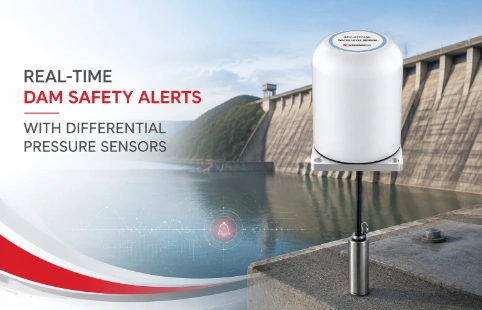
Real-Time Dam Safety Alerts with Differential Pressure Water Level Sensors
Key Takeaways An alert chain needs more than a sensor: define field in...

Wind Pressure Sensors That Deliver Field-Ready Data
High-rise cladding, long-span bridges, tall masts—wind doesn’t push evenly, and guessing the pressure distribution leads to costly over-engineering or risky under-design. A direct pressure reading changes that equation. Our wind pressure sensors capture the actual load on a surface, giving structural and geotechnical engineers numbers they can trust during both the design review and the service life of an asset. Unlike generic anemometer-based estimates, these sensors mount flush or via a probe on facades, decks, or temporary bracing, turning local wind pressure into a clean electrical signal that feeds straight into your logger. The principle is simple, but the difference in data quality is immediate. We’ve seen this applied on monitoring programs from ventilated curtain walls to tailings dam windbreak netting—cases where code-level assumptions just aren’t granular enough. Whether you’re verifying a wind tunnel model or tracking seasonal trends for a guyed tower, the sensor’s job is to sit there and report, and that’s what we build it for. Kingmach brings a wide instrument range and the ability to adapt mounting, cabling, and output formatting to specific project specs. It’s a small sensor, but the insight it adds to your dataset can be decisive.
Technical Detail
Kingmach wind pressure sensors are designed for long-term field use where dust, rain, and temperature swings are part of the job. The sensing element is typically a micro-machined differential pressure die housed in a weather-resistant body, with two ports: one facing the pressure field, the other referenced to static or ambient. This differential reading is what allows direct measurement of the wind-induced load, rather than inferring it from wind speed and shape factors. In practice, that means you can install it on a bridge tower, walk away, and come back six months later to a time series that shows exactly how pressure evolves with direction and gust intensity. Several models are available to match different measurement ranges and precision requirements—some tuned for low-pressure scenarios like HVAC ducts, others for the higher stresses seen on offshore structures. Output options include standard analogue signals and digital protocols that drop into most datalogger brands without extra converters. Because many monitoring sites are in remote locations, power consumption is kept low and the mechanical design avoids small orifices that clog easily in sandy environments. The body can be customized with mounting brackets for pipe, flat surface, or parapet attachment. Kingmach also supports integration support—if your existing system runs on a particular bus or voltage, we can often adapt the sensor to match, rather than forcing you to add another acquisition box. After delivery, our technical team can assist with installation guidance, calibration checks, and troubleshooting, drawing on a global network that has handled projects in dozens of countries. For monitoring consultants and site managers, this means less time puzzling over wiring and more time interpreting the data that actually matters.
News
Key Takeaways An alert chain needs more than a sensor: define field in...
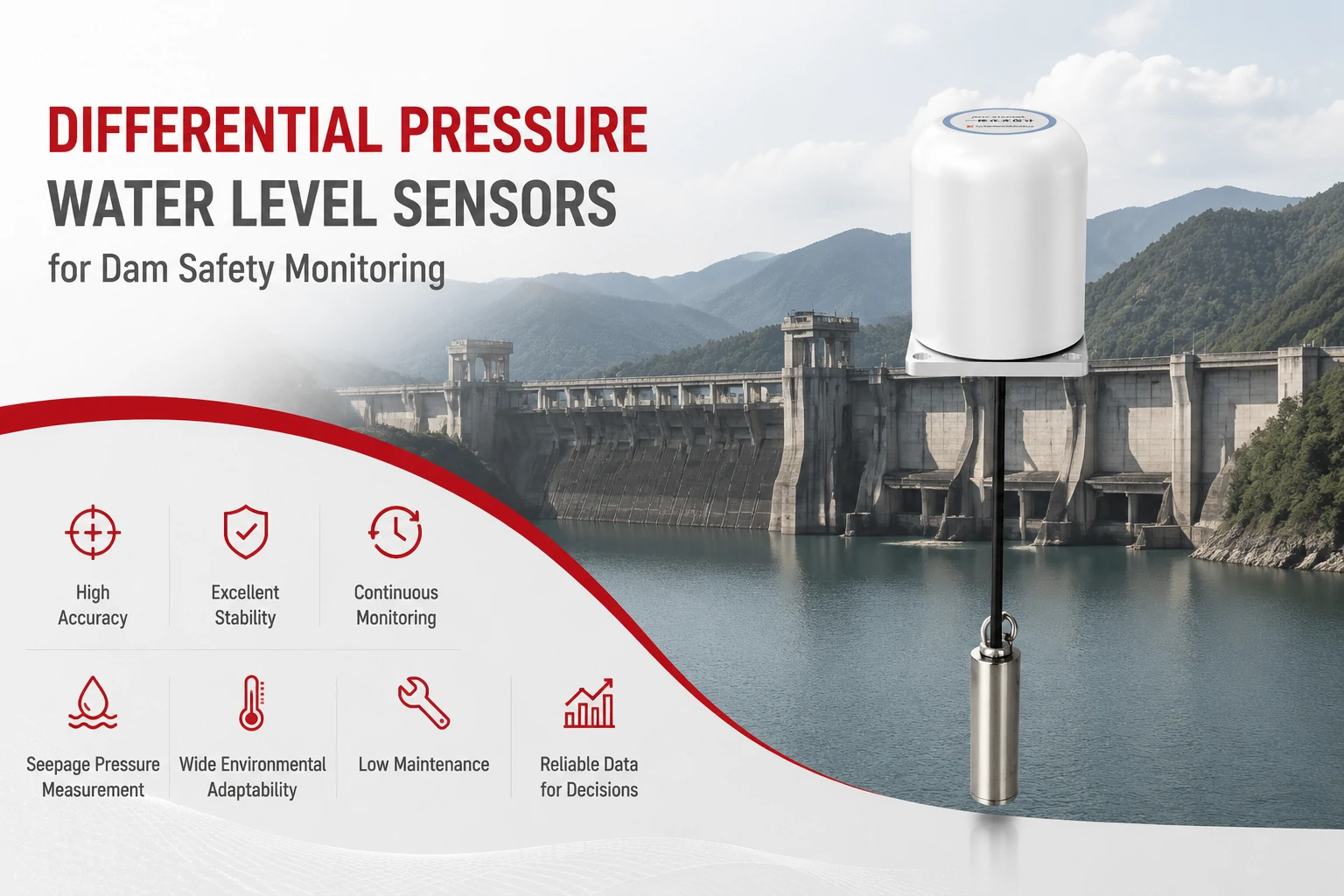
Key Takeaways The strongest fit is usually a confined, submerged, or s...
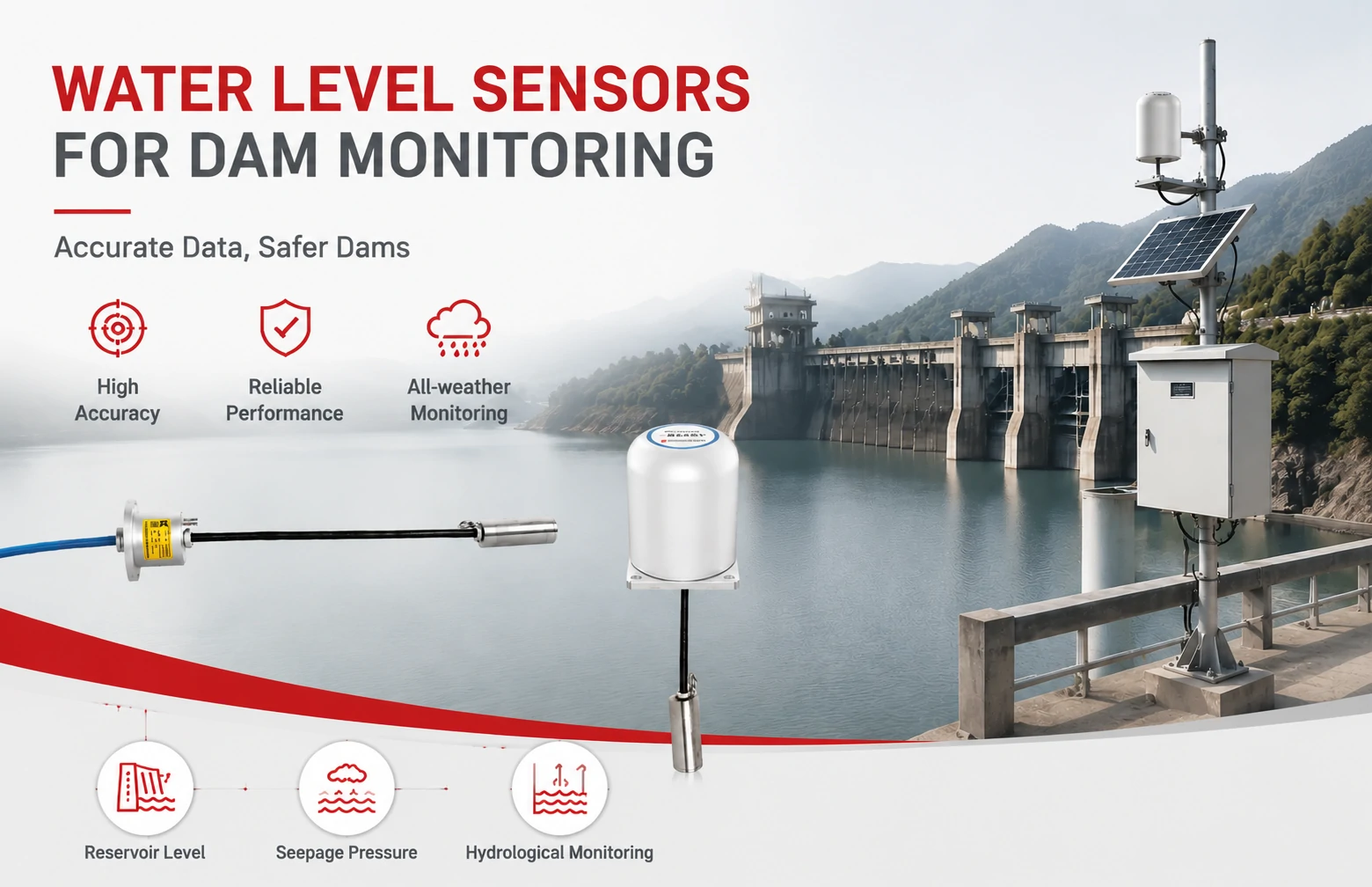
Kingmach Water Level Sensors for Dam Monitoring: A Buyer's Guide to Differential Pre...
Products
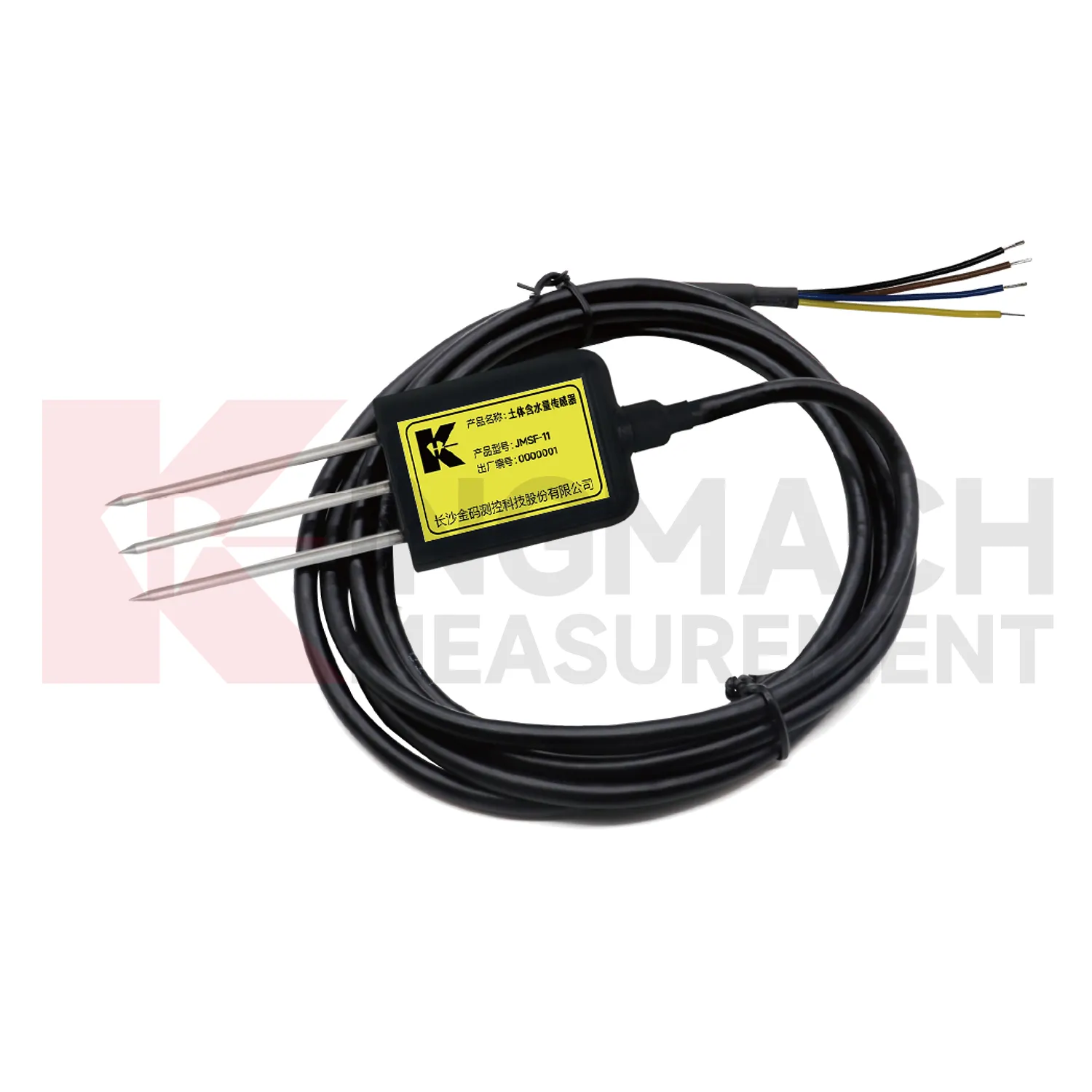
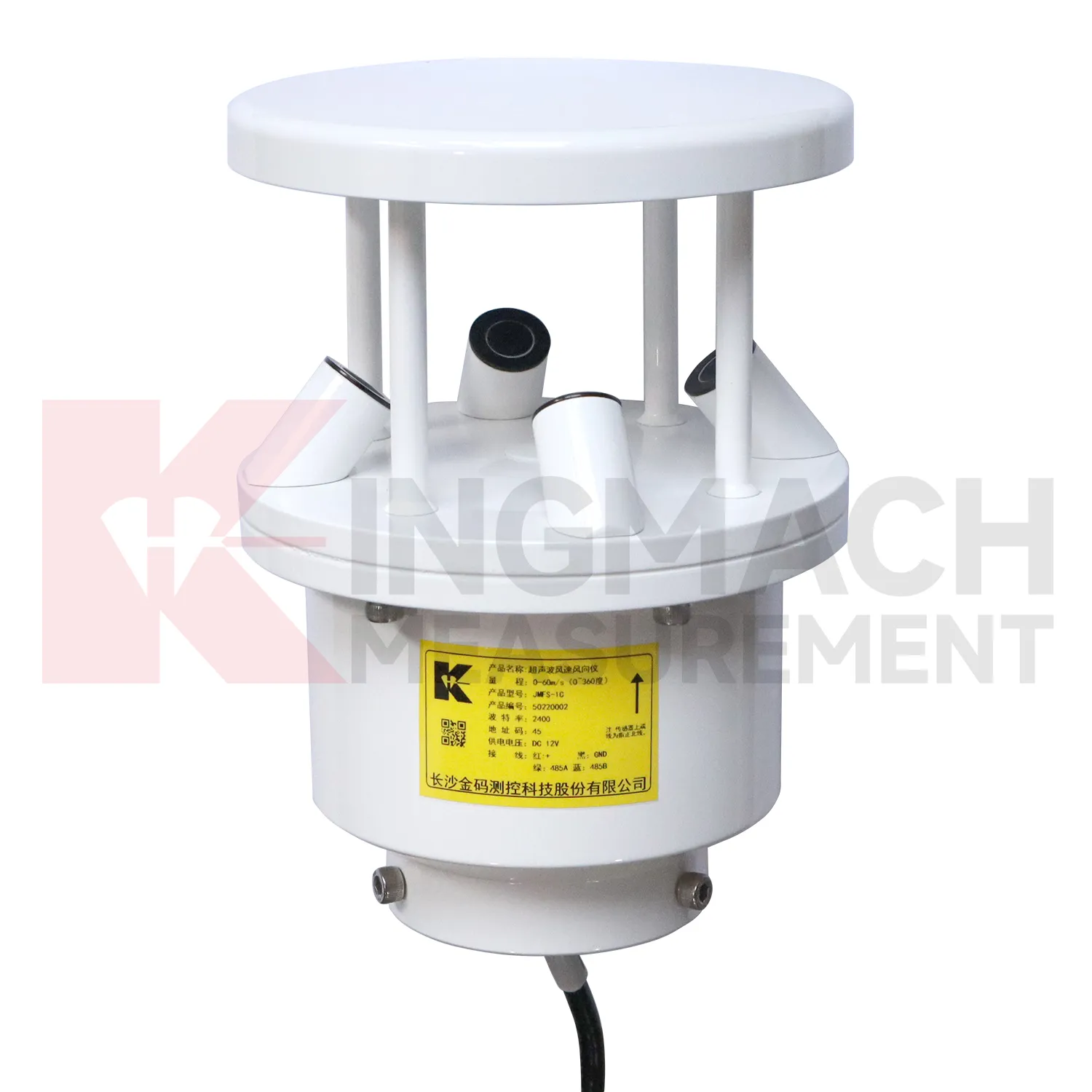
Ultrasonic Wind Speed and Direction Sensor JMFS-1C
View DetailsFAQ
Most of the time, yes. The sensor can be supplied with standard voltage (0-5V, 0-10V), current (4-20mA), or digital outputs like RS-485. If your logger needs a different signal type, we often reconfigure the output at no extra hardware cost—just mention it during ordering.
We provide low-profile external probes that attach using structural adhesive or clamps, with a thin capillary tube passing through a weep hole or a dedicated slot. The pressure transducer body stays indoors, protected from weather. We can also supply surface-mount housings if drilling a small penetration is acceptable.
That depends on local wind climate and façade shape. For most mid-rise buildings, a sensor with a range of ±2.5 kPa to ±5 kPa covers the peak suction loads near corners. We can help you pick a range after reviewing basic project information—no guesswork needed.
Yes, every sensor ships with a factory calibration certificate traceable to national standards. We also offer recalibration services and can supply a reference sensor if your QA process requires on-site checks between measurement campaigns.
Share your product type, target capacity, and application requirements. Our team can review the details and recommend a practical next step.
If you are interested in our products or want to become our partner.
Please leave your contact information, our team will contact you as soon as possible.
Mail: [email protected]
Contact Us: +8613808434127
Address: No. 188 Tongzipo West Rd, Changsha, Hunan, China