
 EN
EN
 ar
ar bg
bg hr
hr cs
cs da
da nl
nl fi
fi fr
fr de
de el
el hi
hi it
it ko
ko no
no pl
pl pt
pt ro
ro ru
ru es
es sv
sv tl
tl iw
iw id
id lv
lv lt
lt sr
sr sk
sk sl
sl uk
uk vi
vi et
et hu
hu th
th tr
tr fa
fa ms
ms hy
hy ka
ka ur
ur bn
bn mn
mn ta
ta kk
kk uz
uz ku
ku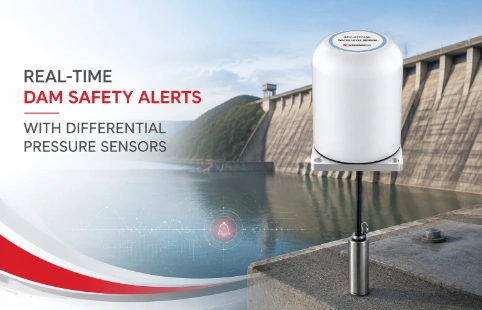
Real-Time Dam Safety Alerts with Differential Pressure Water Level Sensors
Key Takeaways An alert chain needs more than a sensor: define field in...

Wireless Analog Data Logger for Reliable Monitoring
In many industrial and geotechnical monitoring setups, the challenge isn't just collecting data—it's doing so without the mess of long cables. That's where wireless analog data loggers come in. These devices capture signals from sensors like strain gauges, pressure transmitters, or displacement sensors and send the readings over a wireless link, often saving hours of installation time. Kingmach, with years of experience in measurement technology, designs these loggers to handle a wide range of analog inputs—typically 4-20 mA or 0-10V—while maintaining tight accuracy. The wireless transmission usually operates in the license-free bands, offering reliable range up to several hundred meters in open terrain. What sets a practical system apart is how it deals with compatibility: Kingmach's units work with most industry-standard analog sensors, and the data can be fed into existing SCADA or cloud platforms without extra converters. For projects that demand customization—say a unique sampling rate or battery life requirement—the company's engineering team will adjust the firmware or hardware accordingly. That's a level of flexibility not always available from off-the-shelf products. Beyond the hardware, the support network means you're not left guessing with a manual; you get direct access to technical staff who know the loggers inside and out, from installation quirks to data interpretation.
Technical Detail
Kingmach's wireless analog data loggers are built for continuous, unattended monitoring in applications ranging from structural health to environmental studies. The analog input modules support multiple channels—commonly 4, 8, or up to 16 differential inputs—each configurable for voltage or current signals. This flexibility means you can connect nearly any analog sensor without signal conditioning. The built-in 16-bit ADC delivers high resolution, and the overall accuracy typically falls within ±0.1% of full scale, suitable for most industrial uses. On the wireless side, these loggers employ robust protocols like LoRaWAN or Zigbee, ensuring data gets through even in electrically noisy environments. Transmission intervals are fully adjustable; you might set a 5-minute reporting period for slow-changing parameters and still expect over a year of battery life with a single D-cell lithium pack. Local data backup on a microSD card prevents loss during communication gaps. Compatibility extends to the software level: the logger can output data in standard formats (CSV, JSON) and integrate with common platforms like AWS IoT, ThingsBoard, or custom MQTT brokers. For projects requiring specific thresholds, multiple alarm rules can be set, triggering email or SMS alerts when readings go out of range. Kingmach also offers IP67-rated enclosures for outdoor use, making these loggers ready for field deployment right out of the box. Customization options include specialized input ranges, higher sampling rates, or integration with proprietary sensors, backed by Kingmach's technical team who can assist from configuration to post-installation support.
News
Key Takeaways An alert chain needs more than a sensor: define field in...
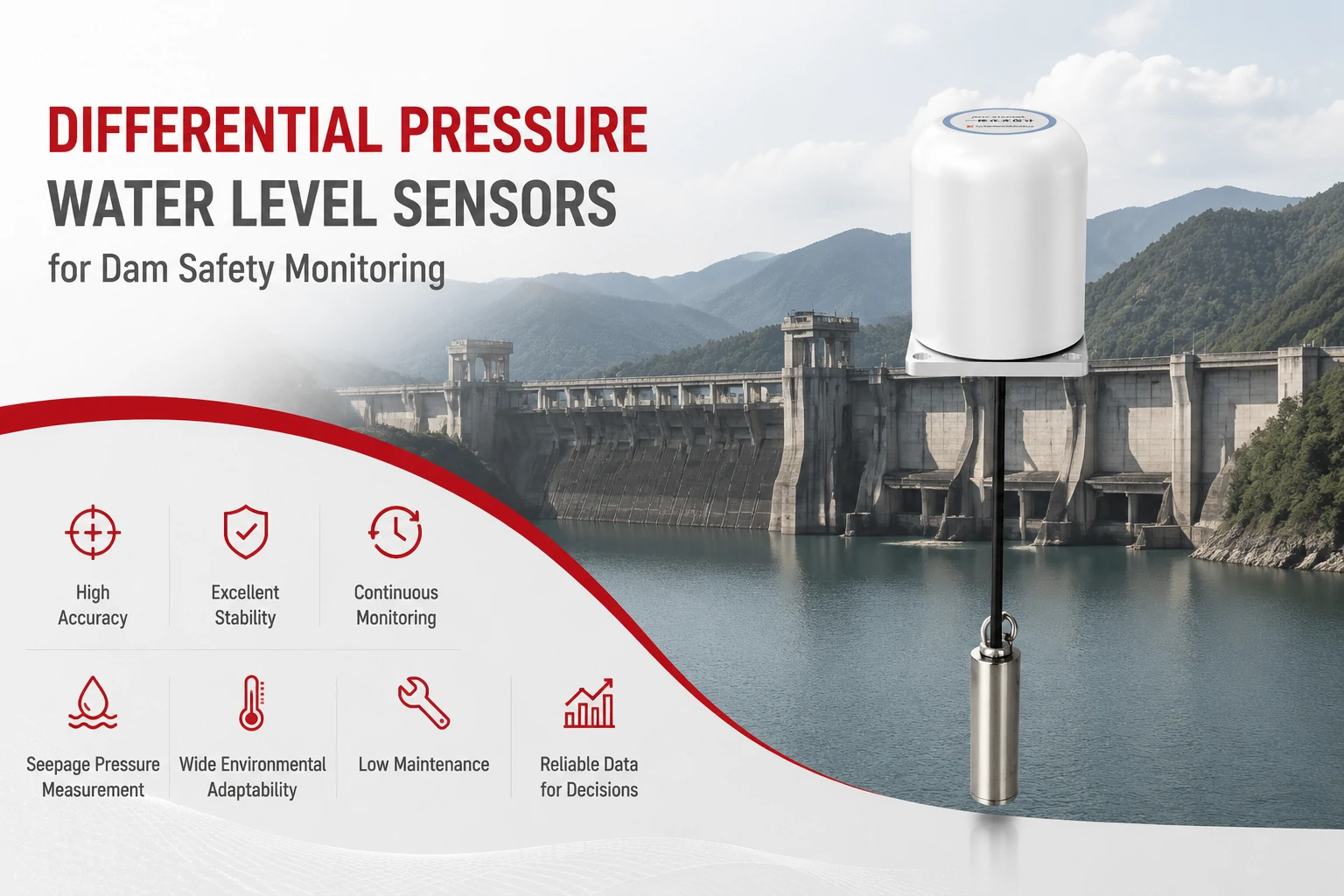
Key Takeaways The strongest fit is usually a confined, submerged, or s...
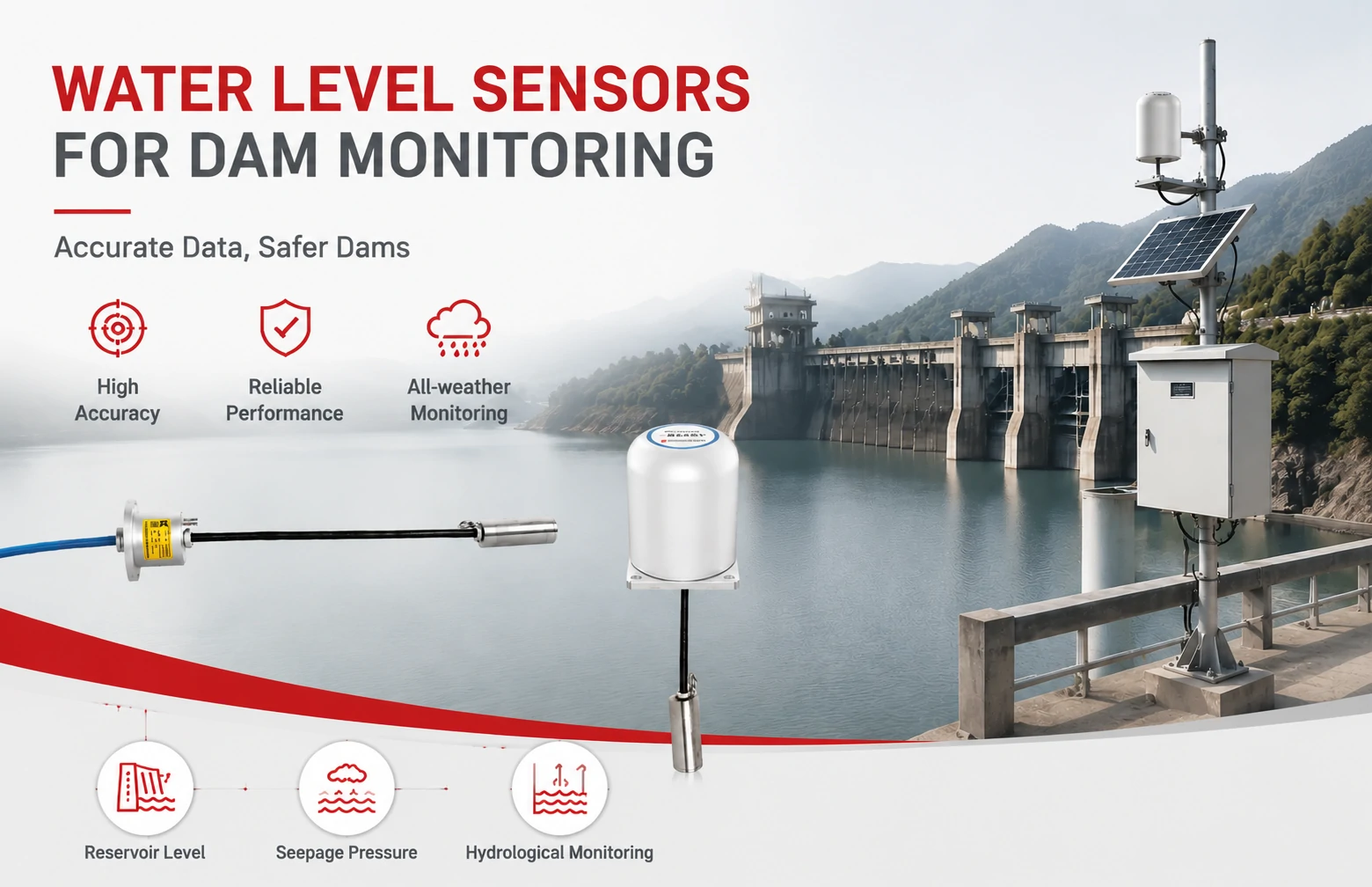
Kingmach Water Level Sensors for Dam Monitoring: A Buyer's Guide to Differential Pre...
Products
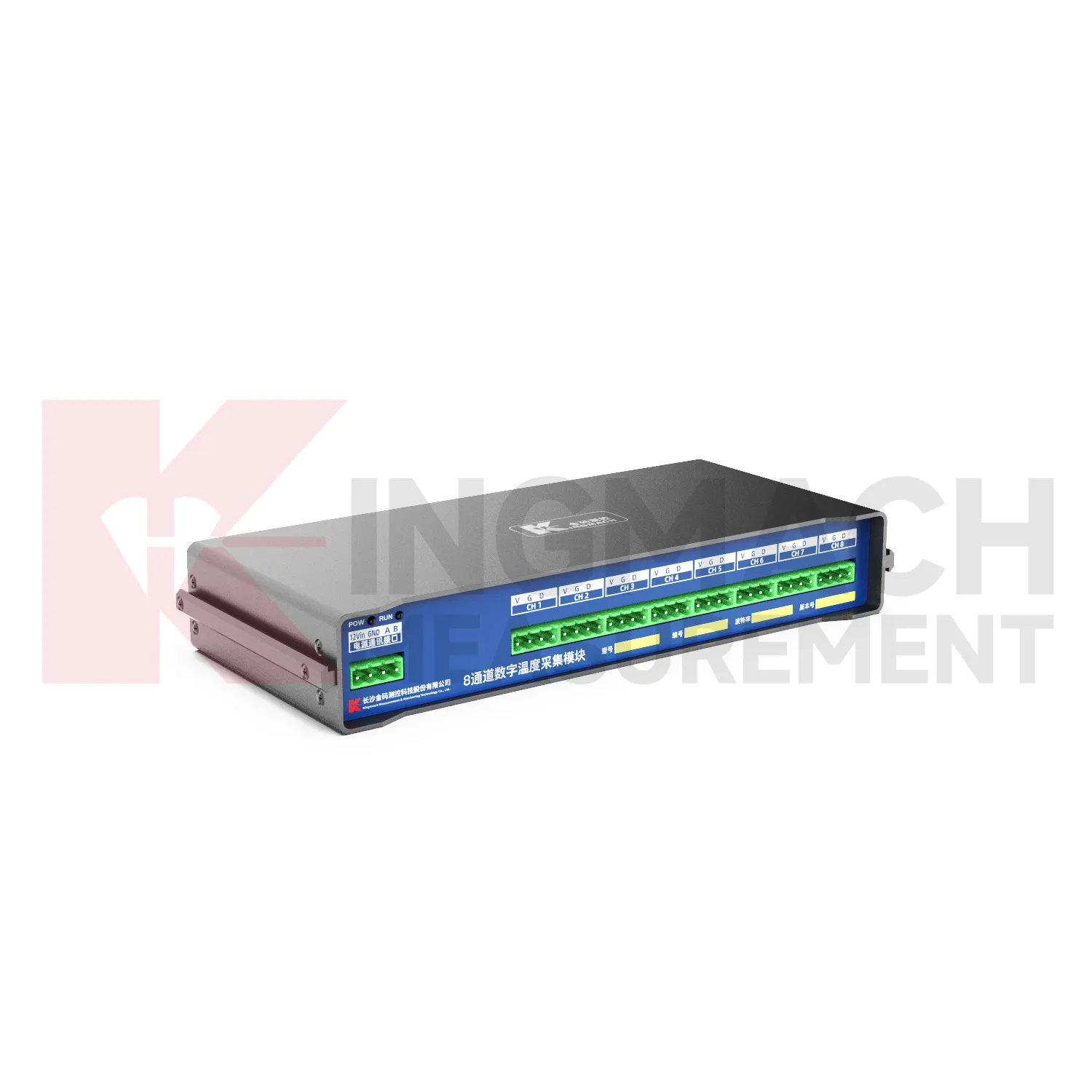
8-Channel Digital Temperature Acquisition ModuleJMWT-8DTH
View Details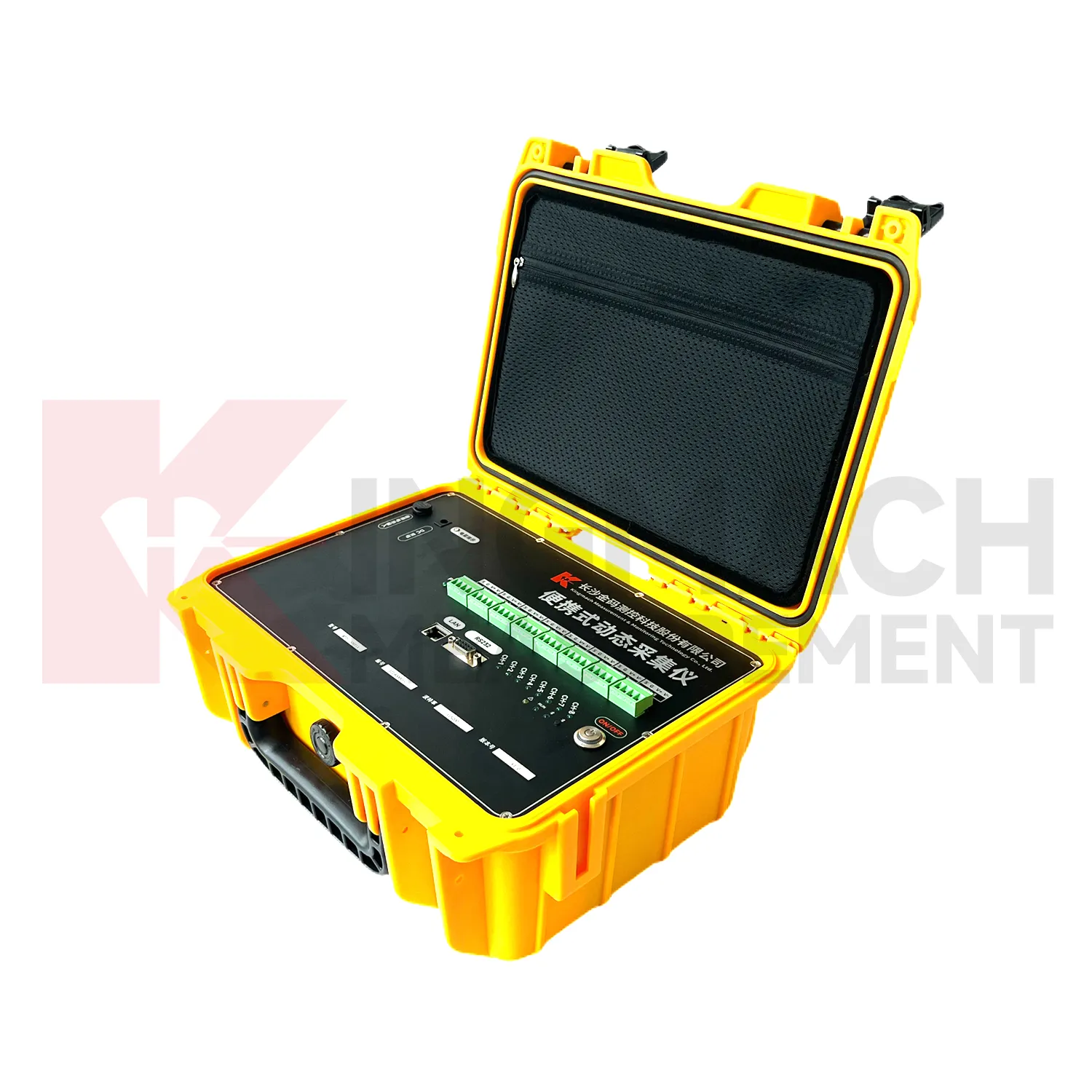
Portable Dynamic Signal Acquisition Readout JMYS-1008BX
View Details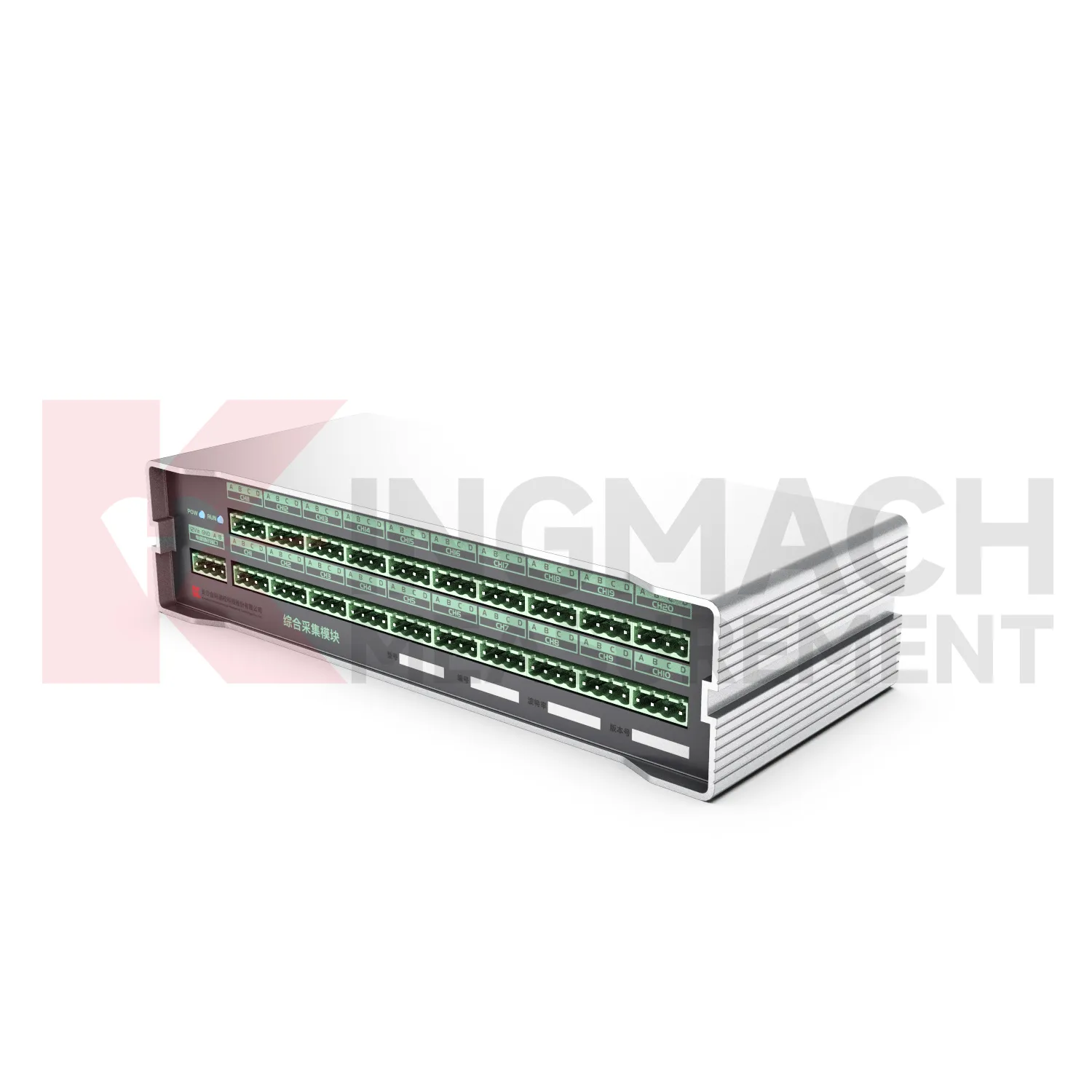
FAQ
Most loggers accept standard analog signals like 4-20 mA, 0-10V, 0-5V, or resistance from strain gauges. So you can hook up pressure transmitters, load cells, displacement sensors, thermocouples with an appropriate transmitter, or any sensor that outputs a compatible electrical signal. Kingmach's units have configurable input ranges per channel, which makes them quite flexible for mixed-sensor applications.
The loggers use a high-resolution ADC and include temperature compensation on the analog front end. They usually ship with a calibration certificate traceable to national standards. Over a year, drift is generally less than a couple of tenths of a percent of full scale. If your project demands tighter specs, Kingmach can calibrate against your reference before shipment.
They mostly run on a lithium D-cell pack or an internal rechargeable battery. With a 5‑minute logging interval and daily data upload via LoRa, a single D‑cell can last over a year. For high‑frequency monitoring (1‑second sampling), you might need a bigger battery or solar panel. The power consumption is adjustable by changing the sampling and transmission rate.
Yes. The logger supports standard protocols like MQTT and HTTP, so it can push data to platforms such as AWS IoT, Azure IoT, ThingsBoard, or any MQTT broker. It also exports CSV files for direct import into SCADA systems. Kingmach's support team can help with the initial setup and formatting so the data lands where you need it.
Share your product type, target capacity, and application requirements. Our team can review the details and recommend a practical next step.
If you are interested in our products or want to become our partner.
Please leave your contact information, our team will contact you as soon as possible.
Mail: [email protected]
Contact Us: +8613808434127
Address: No. 188 Tongzipo West Rd, Changsha, Hunan, China